Email : sales@parraid.com
Call Us : +1 (301) 690-0690

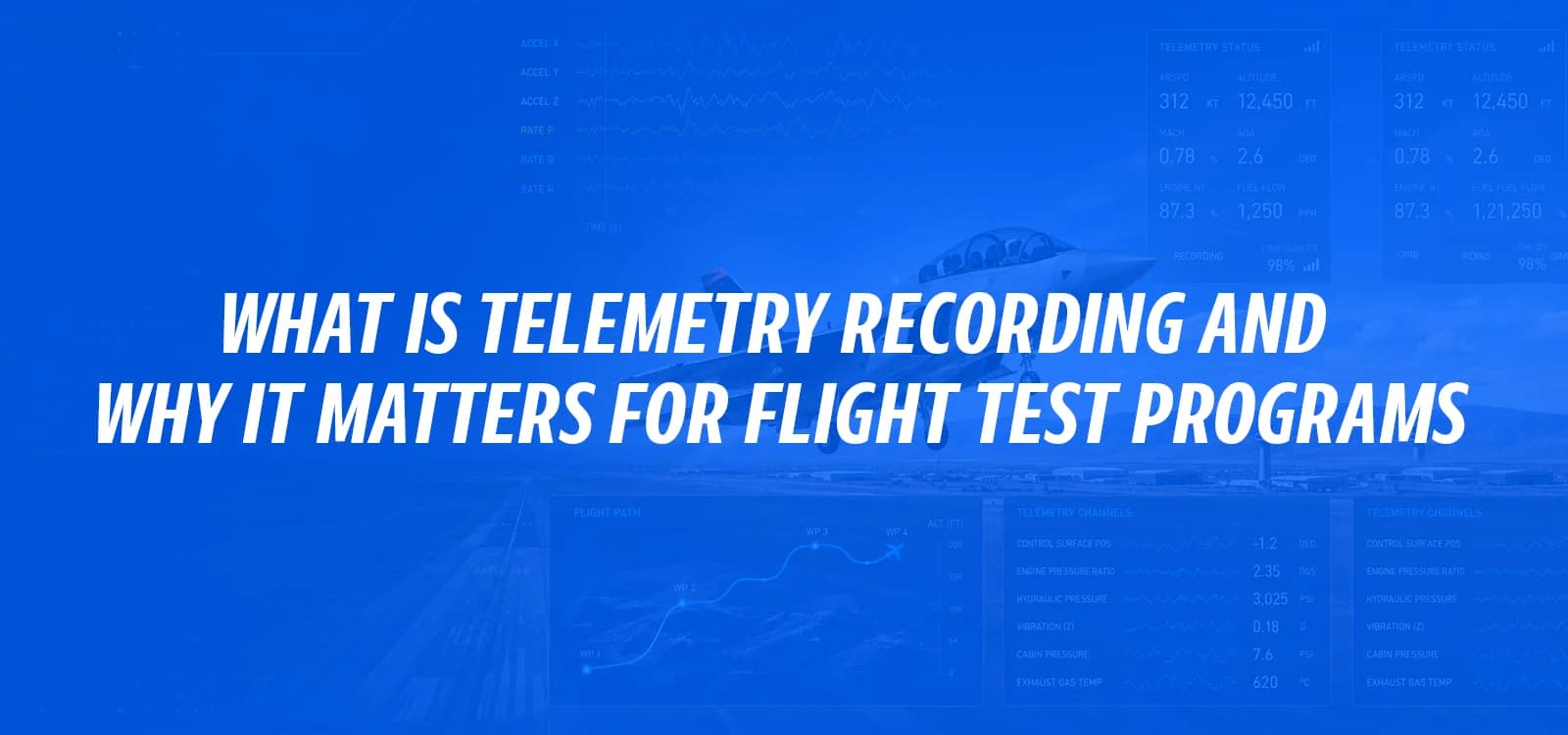
Telemetry recording is the backbone of every successful flight test program. Without it, engineers are operating blind — generating enormous volumes of sensor data from an aircraft or missile and then losing the information before it can be analyzed. Whether validating a new propulsion system, characterizing flight envelope boundaries, or confirming weapons integration, telemetry recording captures every critical parameter in real-time and preserves it for post-flight review.
At its core, telemetry recording captures data streams transmitted from an airborne test article and stores them in a structured, retrievable format. These streams carry hundreds or thousands of parameters — temperatures, pressures, accelerations, control surface positions, engine health indicators — encoded as Pulse Code Modulation (PCM) or in IP-based formats specified by IRIG 106 Chapter 10 and Chapter 11. The recorder must operate with near-zero latency, handle enormous throughput, maintain time accuracy to microsecond precision, and remain immune to vibration, thermal cycling, and electromagnetic interference endemic to aerospace environments.
A single missed data point during a critical flight event can invalidate an entire test card, requiring an expensive re-flight. Worse, corrupted or incomplete data can lead to incorrect engineering conclusions, potentially allowing an unsafe condition to go undetected. High-fidelity telemetry recording enables engineers to reconstruct every moment of a flight with complete confidence, supports rapid post-flight data mining, and enables long-term trend analysis across multiple sorties.
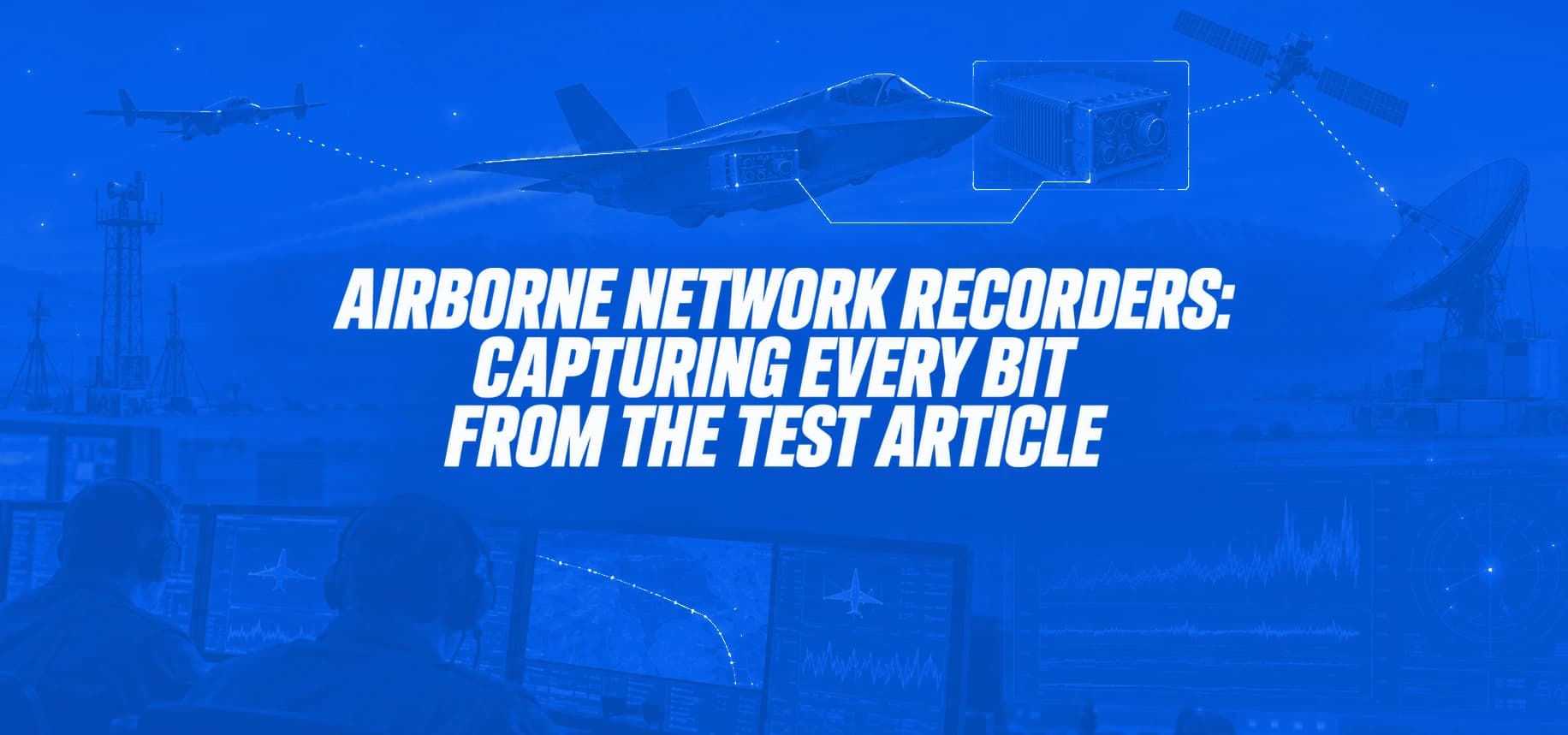
IRIG 106 Chapter 10 defines the standard format for recording telemetry data, including PCM, analog, MIL-STD-1553, video, and Ethernet streams into a single time-correlated file. Chapter 10 files are universally readable by analysis tools across the range community, ensuring that data recorded today can still be processed decades from now. Parraid's IMUX G2e and G2eH recorders have the ability to record two Chapter 10 files simultaneously – local and/or remote, simultaneous playback and on-the-fly channel adjustment.
As flight test instrumentation increasingly adopts Ethernet-based data buses and networked FTI architectures, IP-based recording has become essential. IRIG 106 Chapter 11 extends the standard to cover UDP/TCP-based telemetry streams, enabling recorders to capture data arriving over standard network interfaces without analog conditioning. The IMUX RE-CON network recorder addresses this evolution directly — it provides automatic format detection for known telemetry formats, binary file recording, playback to any network endpoint, and conversion to IRIG 106 Ch 10 files on-the-fly.
Selecting a telemetry recorder requires careful consideration of data rate requirements, channel count, recording media capacity, form factor constraints, and the specific mix of data bus types in your test article. Airborne recorders face additional SWaP challenges, while ground-based recorders prioritize capacity and throughput. Programs running multiple simultaneous test articles need recorders capable of handling multiple independent streams without cross-contamination.
With over 30 years of experience supporting defense and aerospace programs, Parraid has developed a complete family of telemetry recording solutions. From the IMUX G2e for straightforward Chapter 10 applications to the network-intelligent IMUX RE-CON for modern IP-based ranges, the portfolio spans the full spectrum of flight test recording requirements. To explore solutions for your program, visit Parraid's telemetry and data systems page or contact the team directly to discuss your specific requirements.
Powering secure, real-time data transmission across land, sea, and sky.
Dive into our blog for the latest trends, tips, and insights in the world of design and AI technology. Whether you’re looking for inspiration, tutorials, or industry news, our articles are crafted to keep you informed and inspired.

Parraid provides tactical communications solutions, telemetry data systems, and deployable communication products that support mission-critical operations around the globe. Below are some of the most common questions about our technology, services, and support.
Parraid works with aerospace, defense, government, and research organizations that depend on real-time data and secure communications. Our products are engineered to meet the unique operational needs of mission-critical and tactical environments.
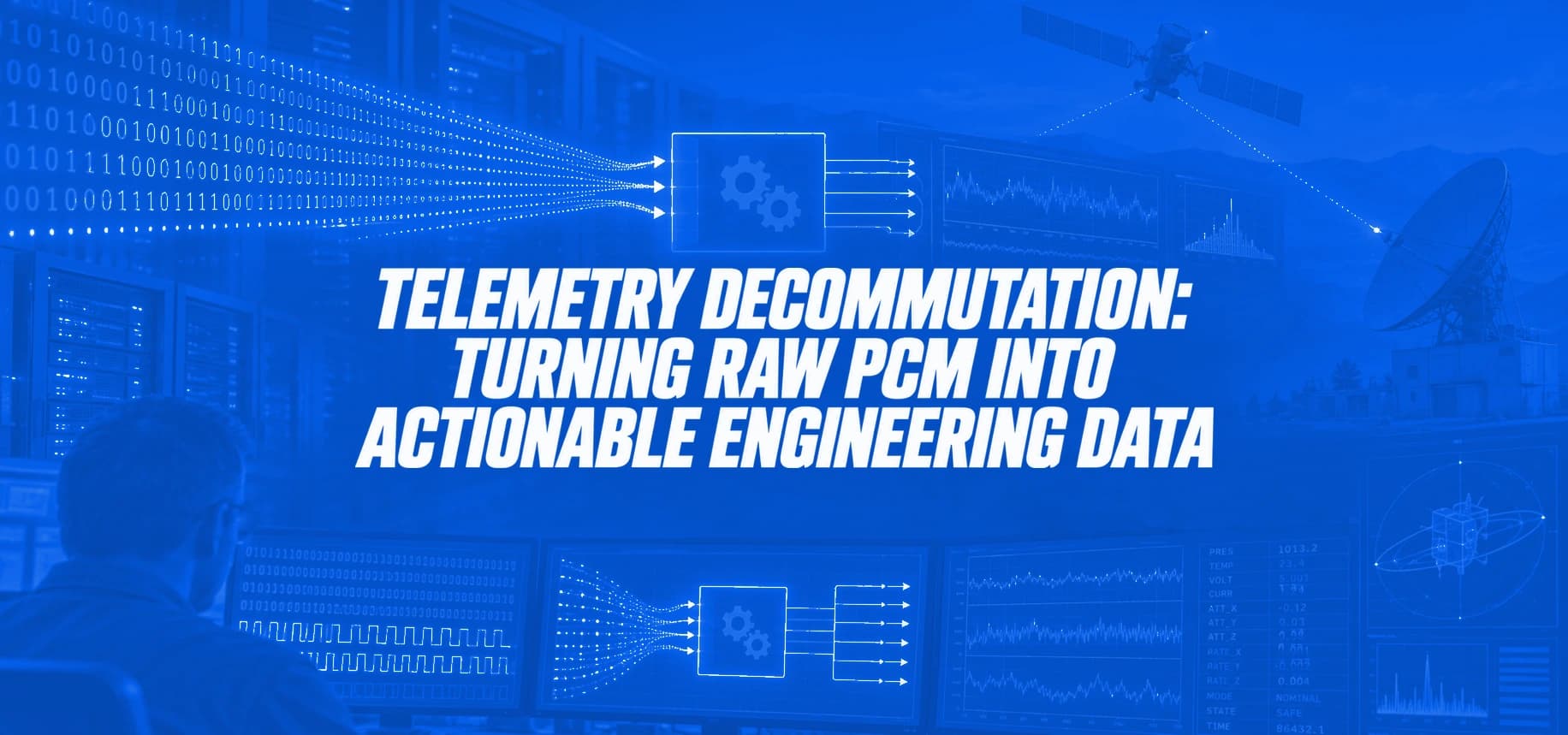
Our telemetry data systems enable accurate data acquisition, recording, and playback across test ranges and aerospace applications. With IRIG-106 compliance and TMoIP support, we deliver precise insights for faster mission validation and system performance analysis.
Parraid’s tactical communications solutions are designed for interoperability and resilience. They integrate seamlessly with multi-band radios, SATCOM, and IP-based networks to maintain command, control, and situational awareness in any field condition.
Yes. Our deployable communication products are lightweight, ruggedized, and MIL-STD compliant, ideal for rapid setup and sustained connectivity in mobile or remote missions.
Absolutely. We work closely with our customers to design and configure systems tailored to their operational goals. Whether upgrading existing telemetry infrastructure or developing a fully deployable communication suite, we ensure seamless integration and lifecycle support.
All Parraid systems are designed, built, and supported in the United States. Our team of engineers and specialists provides continuous technical support to ensure mission reliability and customer success.
Connect With Our Team
All Parraid systems are designed, built, and supported in the United States. Our team of engineers and specialists provides continuous technical support to ensure mission reliability and customer success.
Powering secure, real-time data transmission across land, sea, and sky.
Parraid delivers mission-critical telemetry and tactical communications solutions designed to perform when failure is not an option.