Email : sales@parraid.com
Call Us : +1 (301) 690-0690

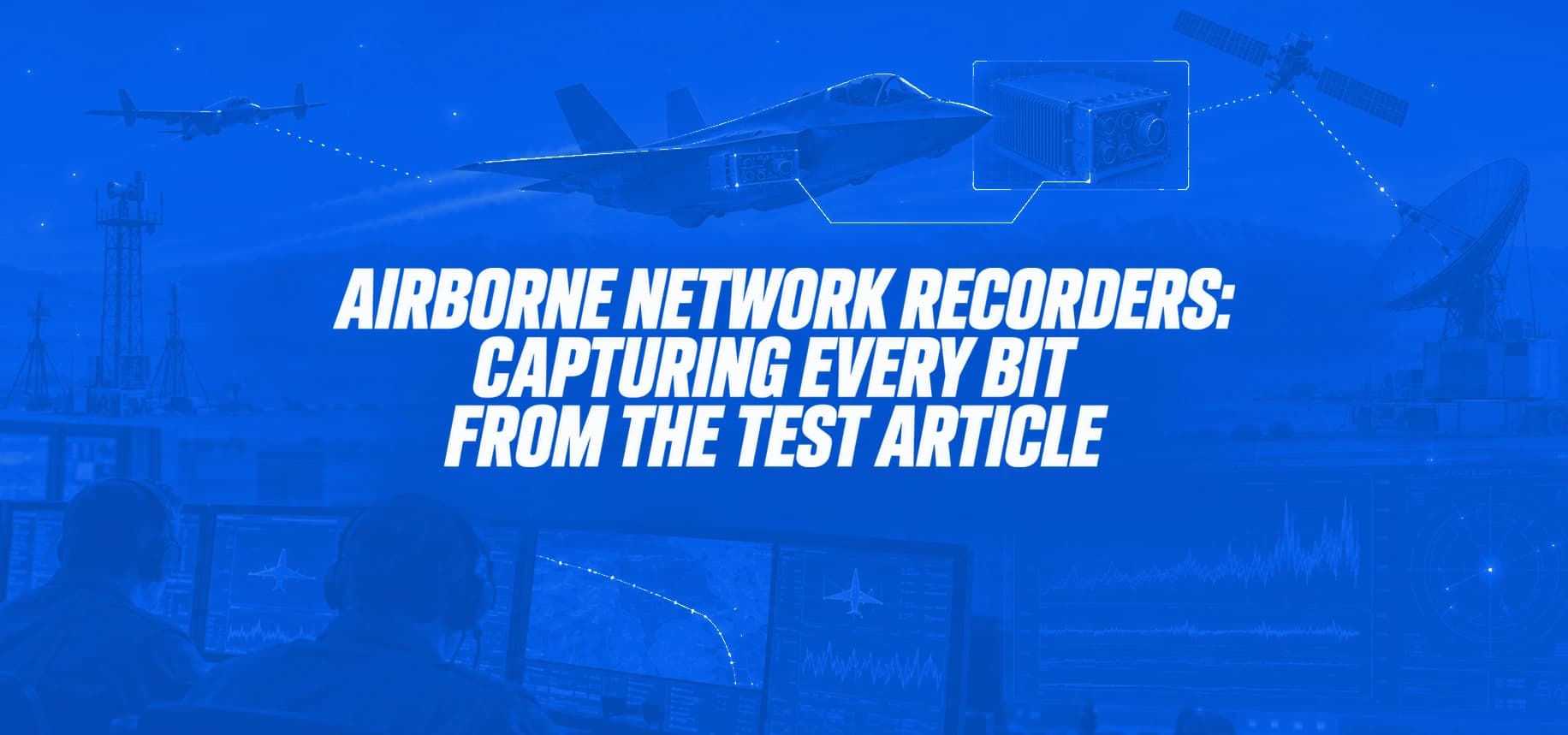
Airborne recording occupies a unique position in the flight test data acquisition chain. While ground-based recording provides a backup copy and enables real-time monitoring, the airborne recorder is the primary archive of everything that happened on the test article during the flight and the last and most authoritative record of the test event. For test articles operating beyond ground station coverage, flying in terrain-masked environments, or transmitting in frequency bands subject to blackout, the airborne recorder may be the only source of test data. Its reliability is therefore paramount.
Airborne recorders face a unique combination of requirements that distinguish them from ground-based systems. Size, weight, and power (SWaP) are critical constraints, every gram added to an airborne recorder is a gram not available for payload or fuel. Environmental tolerance must be exceptional, and the recorder must survive the vibration, temperature extremes, and pressure changes of the flight environment without performance degradation. The recording reliability must be near-perfect and there is no opportunity to replace failed media or restart a failed recording process during the flight.
IRIG 106 Chapter 10 recording is essential to airborne test programs, but the recording and data management infrastructure supporting those programs is often ground-based. Standardized Chapter 10 formatting ensures that data recorded on the ground can be seamlessly processed by telemetry and analysis tools without format conversion, while maintaining compatibility across programs and test environments. Parraid's IMUX G2e and G2eH recorders are purpose-built ground-based recording solutions, providing reliable Chapter 10 recording, dual-path redundancy, and the flexibility needed to capture, store, and reproduce data from demanding airborne test operations.
After landing, airborne recordings must be quickly retrieved and ingested into the ground processing infrastructure for post-flight analysis. The standardized Chapter 10 output of Parraid's airborne recorders feeds directly into the Omega Data Environment (ODE) for post-processing, enabling rapid extraction of engineering unit data and generation of preliminary analysis results.
For test articles equipped with telemetry transmitters, airborne recorders serve as a complement to real-time ground monitoring rather than a replacement. The OMEGA NExT processing environment supports seamless switching between real-time monitoring using ground-received telemetry and post-flight playback of airborne recordings, providing a consistent analysis environment regardless of the data source. Visit Parraid's telemetry systems page to learn more.
Powering secure, real-time data transmission across land, sea, and sky.
Dive into our blog for the latest trends, tips, and insights in the world of design and AI technology. Whether you’re looking for inspiration, tutorials, or industry news, our articles are crafted to keep you informed and inspired.

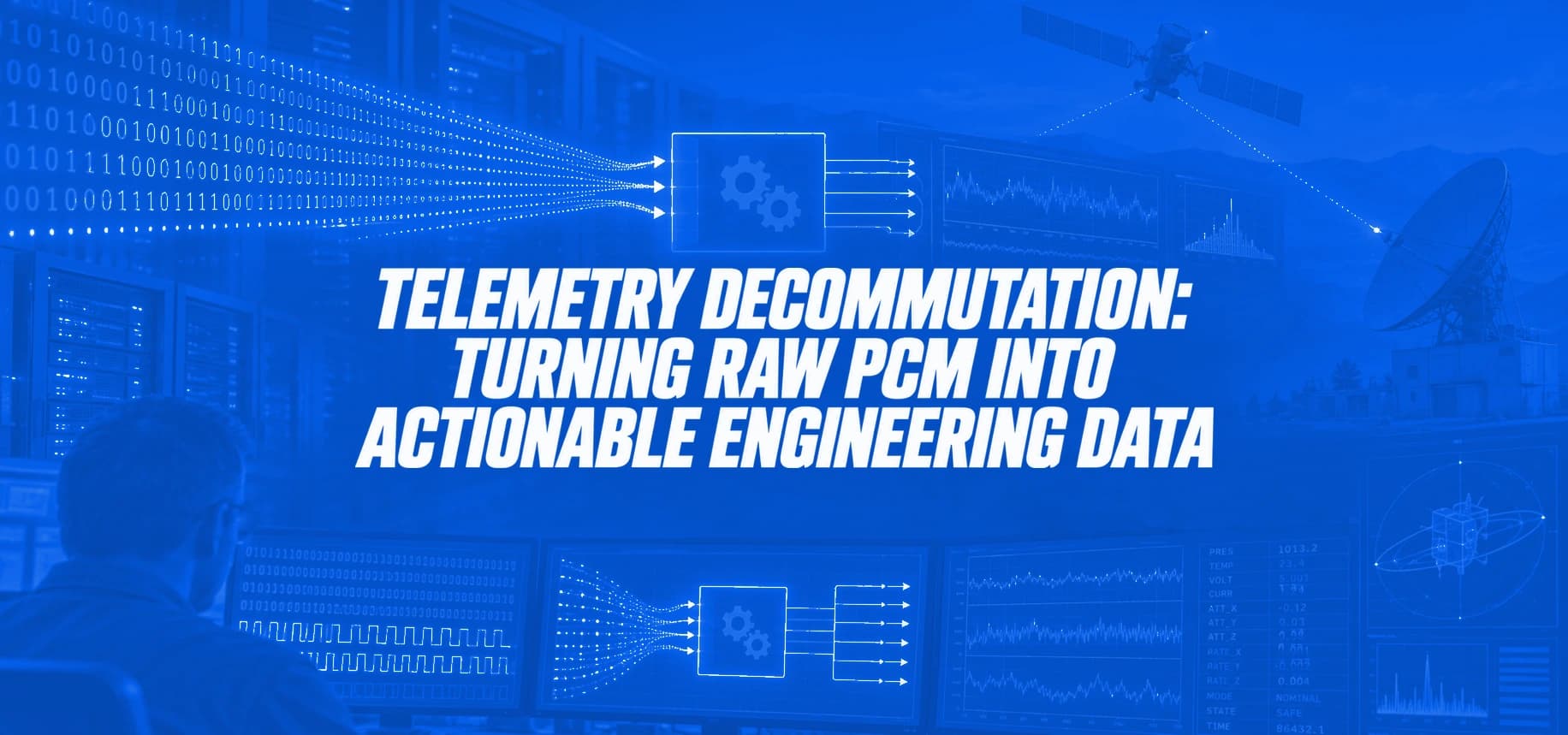

Parraid provides tactical communications solutions, telemetry data systems, and deployable communication products that support mission-critical operations around the globe. Below are some of the most common questions about our technology, services, and support.
Parraid works with aerospace, defense, government, and research organizations that depend on real-time data and secure communications. Our products are engineered to meet the unique operational needs of mission-critical and tactical environments.
Our telemetry data systems enable accurate data acquisition, recording, and playback across test ranges and aerospace applications. With IRIG-106 compliance and TMoIP support, we deliver precise insights for faster mission validation and system performance analysis.
Parraid’s tactical communications solutions are designed for interoperability and resilience. They integrate seamlessly with multi-band radios, SATCOM, and IP-based networks to maintain command, control, and situational awareness in any field condition.
Yes. Our deployable communication products are lightweight, ruggedized, and MIL-STD compliant, ideal for rapid setup and sustained connectivity in mobile or remote missions.
Absolutely. We work closely with our customers to design and configure systems tailored to their operational goals. Whether upgrading existing telemetry infrastructure or developing a fully deployable communication suite, we ensure seamless integration and lifecycle support.
All Parraid systems are designed, built, and supported in the United States. Our team of engineers and specialists provides continuous technical support to ensure mission reliability and customer success.
Connect With Our Team
All Parraid systems are designed, built, and supported in the United States. Our team of engineers and specialists provides continuous technical support to ensure mission reliability and customer success.
Powering secure, real-time data transmission across land, sea, and sky.

Parraid delivers mission-critical telemetry and tactical communications solutions designed to perform when failure is not an option.