Email : sales@parraid.com
Call Us : +1 (301) 690-0690

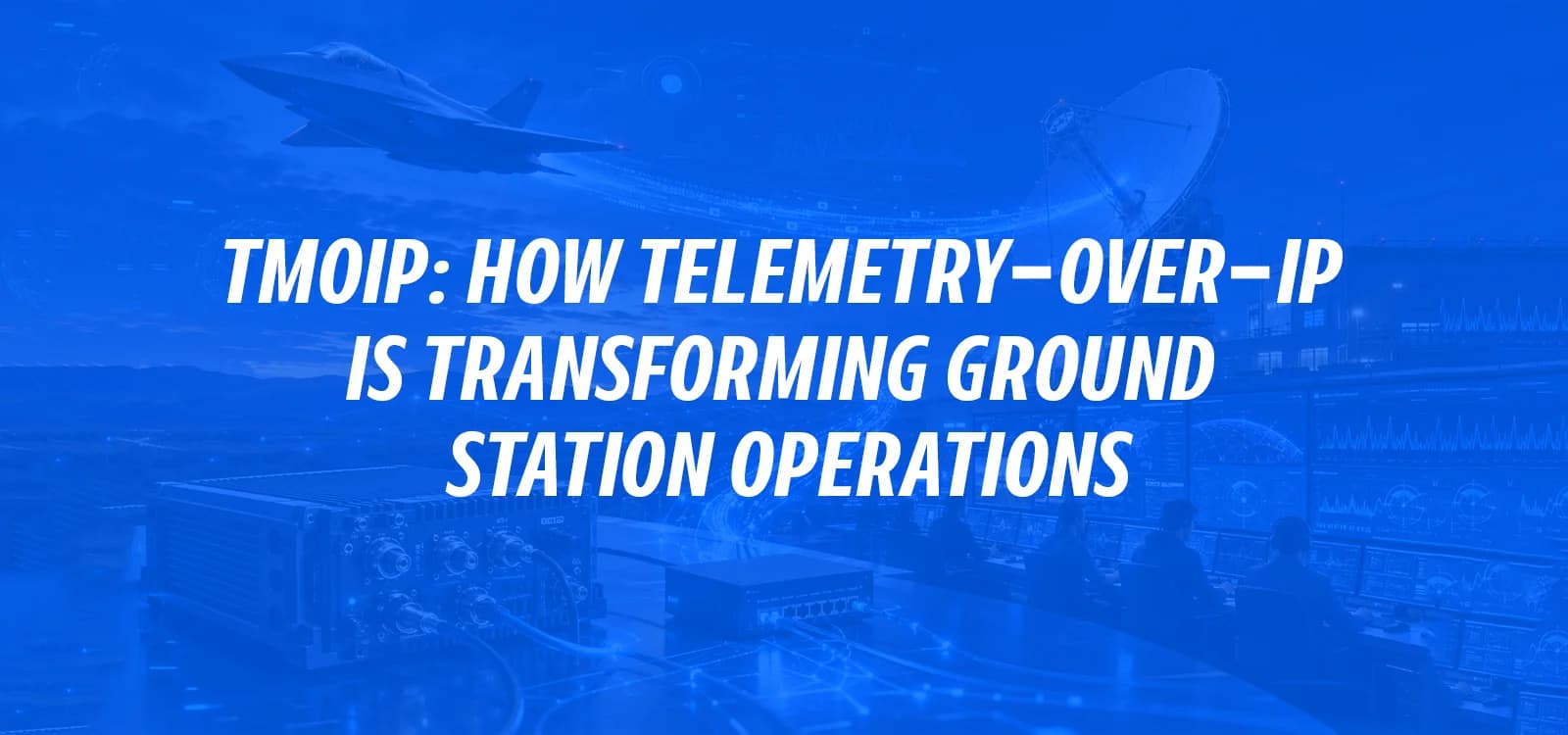
The test range of the 1990s was a tightly coupled system: antennas fed analog RF to receivers, receivers fed demodulated PCM to recorders, and recorders fed data to analysis workstations — all connected by dedicated coaxial cables. The test range of today is fundamentally different. Telemetry-over-IP, or TMoIP, has dissolved those physical constraints, allowing telemetry data to travel anywhere a network packet can reach.
TMoIP encapsulates telemetry data — traditionally transmitted as analog RF signals and then converted to digital PCM — into IP packets for transport over standard Ethernet networks. Rather than running dedicated analog cables from the receiving antenna to every recorder and workstation, a TMoIP system converts the incoming signal to IP at the receive point and distributes it over the site network. This architecture enables multiple downstream consumers to receive the same telemetry stream simultaneously. Adding a new consumer requires no new cabling; it simply subscribes to the multicast stream.
Geographic flexibility is perhaps the most significant benefit: with TMoIP, a ground station can extend its reach to remote processing facilities over Wide Area Networks, enabling real-time telemetry display at an engineering office many miles from the actual receive antenna. Redundancy is also dramatically simplified — in a TMoIP system, redundancy is achieved by having multiple IP-connected clients independently receive the same multicast stream. If one client fails, others continue operating unaffected.
Parraid's G3 TMoIP data processing platform was designed from the ground up for modern IP-based range architectures. It accepts Chapter 10 telemetry streams over its network interfaces, performs real-time processing including decommutation and engineering unit conversion, and retransmits results to downstream consumers via TMoIP. The G3 supports both unicast and multicast distribution, allowing the same processed data to be delivered simultaneously to recording systems, real-time displays, and remote analysis facilities.
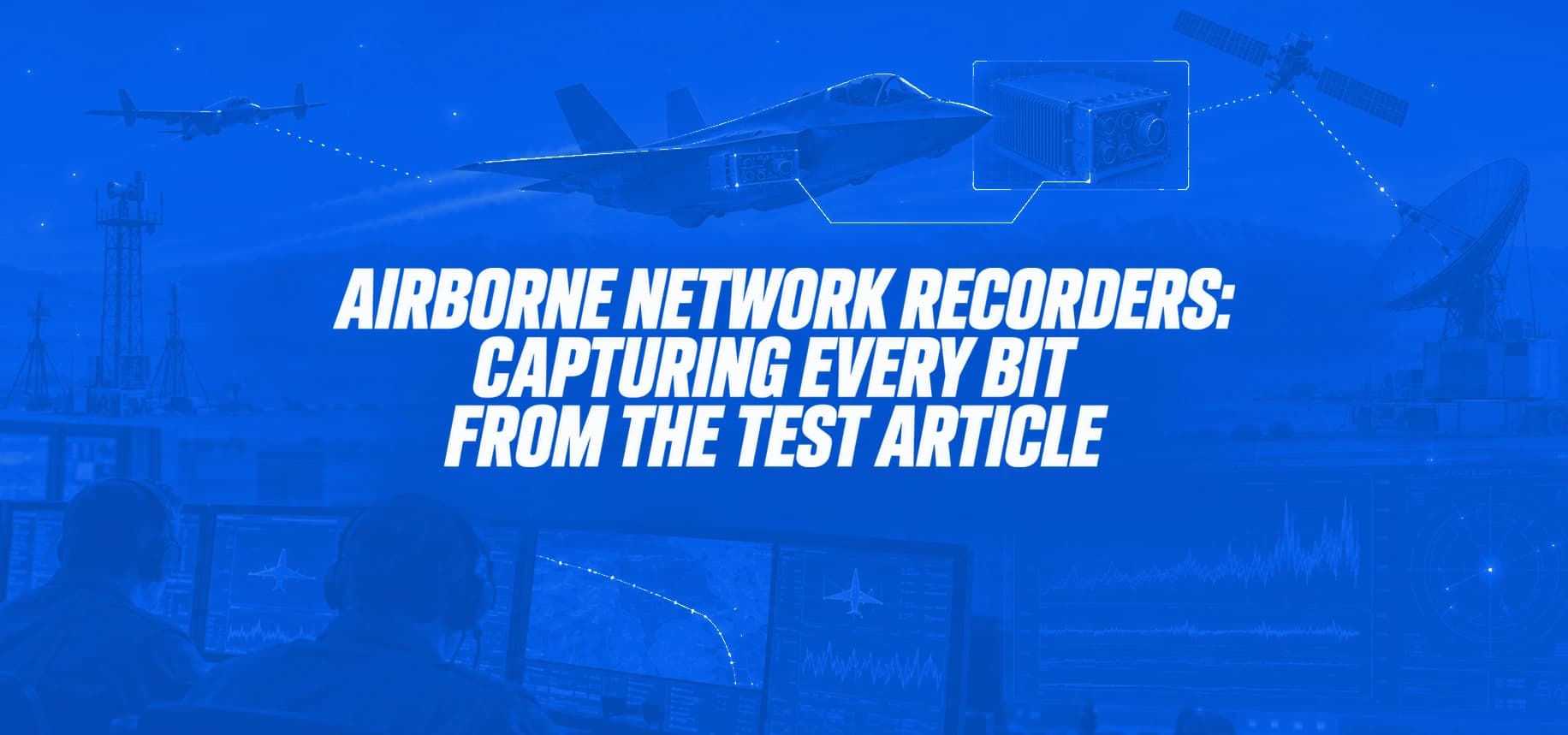
A TMoIP architecture is most powerful when paired with intelligent network recording. The IMUX RE-CON network recorder is purpose-built for this role. It monitors the ground network for Chapter 10 and Chapter 11 streams, automatically identifies new streams as they appear, and begins recording without operator intervention. This auto-discovery capability is essential in dynamic range environments where multiple test articles may simultaneously generate telemetry on different multicast groups.
Engineers evaluating TMoIP systems often raise concerns about network latency and packet loss. Purpose-built range networks address these through quality-of-service policies, dedicated VLAN architectures, and careful traffic engineering. The EDGE² telemetry network appliance demonstrates how TMoIP can be deployed even in mobile and austere environments, converting incoming RF telemetry to a standards-compliant IP stream that can be distributed over tactical networks or backhaul links without requiring fixed facility infrastructure.
As IRIG 106 Chapter 11 gains adoption and more test articles implement networked FTI, TMoIP will transition from a range improvement project to the standard architecture for new range designs. The flexibility, scalability, and cost advantages of IP-based distribution are simply too compelling to ignore. Parraid's product portfolio — from the G3 platform to the IMUX RE-CON — reflects a coherent vision for the IP-based test range. To learn how TMoIP can improve your ground station operations, explore Parraid's telemetry solutions.
Powering secure, real-time data transmission across land, sea, and sky.
Dive into our blog for the latest trends, tips, and insights in the world of design and AI technology. Whether you’re looking for inspiration, tutorials, or industry news, our articles are crafted to keep you informed and inspired.

Parraid provides tactical communications solutions, telemetry data systems, and deployable communication products that support mission-critical operations around the globe. Below are some of the most common questions about our technology, services, and support.
Parraid works with aerospace, defense, government, and research organizations that depend on real-time data and secure communications. Our products are engineered to meet the unique operational needs of mission-critical and tactical environments.
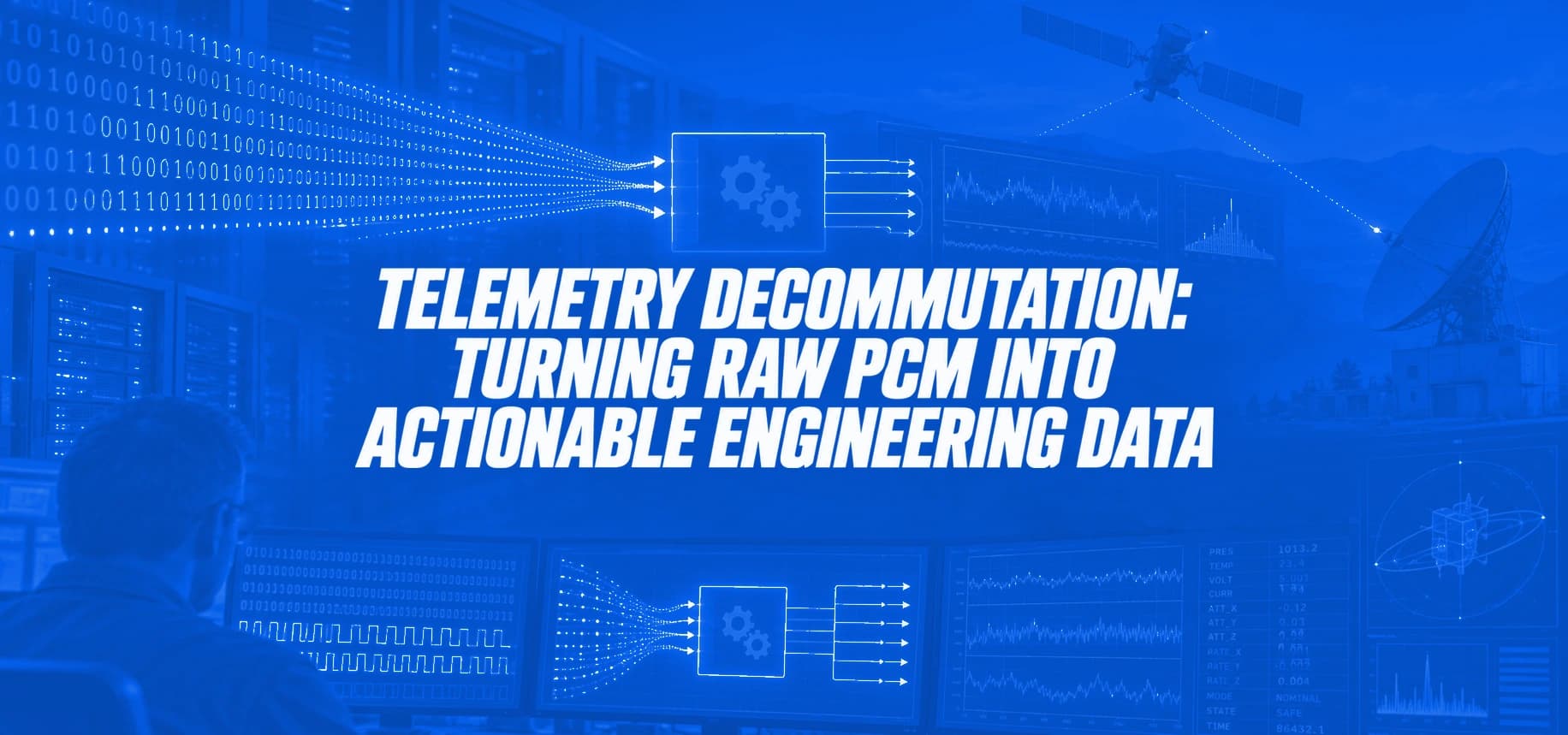
Our telemetry data systems enable accurate data acquisition, recording, and playback across test ranges and aerospace applications. With IRIG-106 compliance and TMoIP support, we deliver precise insights for faster mission validation and system performance analysis.
Parraid’s tactical communications solutions are designed for interoperability and resilience. They integrate seamlessly with multi-band radios, SATCOM, and IP-based networks to maintain command, control, and situational awareness in any field condition.
Yes. Our deployable communication products are lightweight, ruggedized, and MIL-STD compliant, ideal for rapid setup and sustained connectivity in mobile or remote missions.
Absolutely. We work closely with our customers to design and configure systems tailored to their operational goals. Whether upgrading existing telemetry infrastructure or developing a fully deployable communication suite, we ensure seamless integration and lifecycle support.
All Parraid systems are designed, built, and supported in the United States. Our team of engineers and specialists provides continuous technical support to ensure mission reliability and customer success.
Connect With Our Team
All Parraid systems are designed, built, and supported in the United States. Our team of engineers and specialists provides continuous technical support to ensure mission reliability and customer success.
Powering secure, real-time data transmission across land, sea, and sky.

Parraid delivers mission-critical telemetry and tactical communications solutions designed to perform when failure is not an option.