Email : sales@parraid.com
Call Us : +1 (301) 690-0690

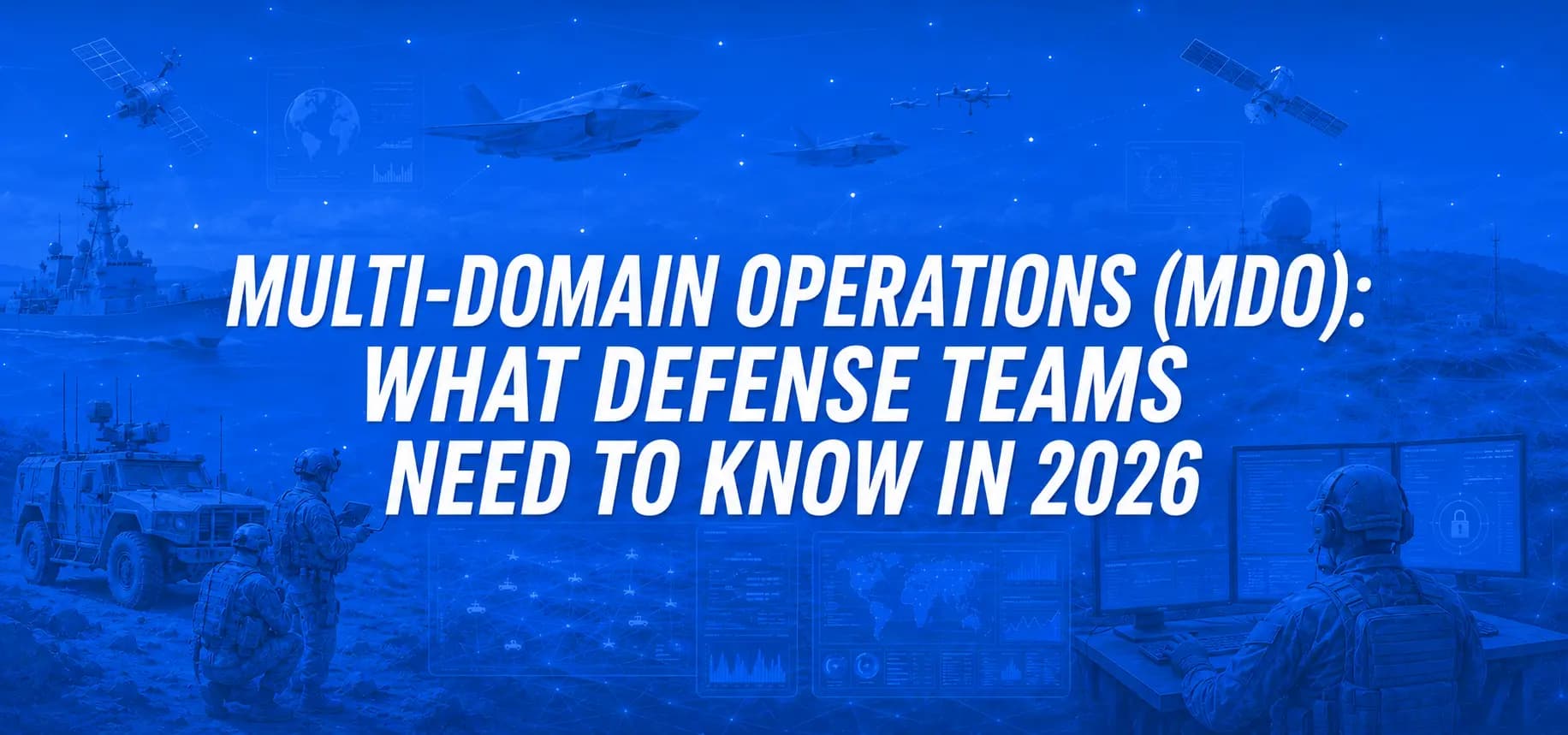
Multi-Domain Operations is not just a concept paper, it is the organizing principle for how the U.S. Army and its partners intend to fight and win against peer and near-peer adversaries. As adversaries develop increasingly sophisticated capabilities to contest U.S. dominance in the traditional warfighting domains of land, sea, and air, and as they extend competition into space and cyberspace, the Army has recognized that future conflicts will be won by the side that can most effectively integrate operations across all five domains simultaneously. Understanding MDO is essential for defense program managers, systems engineers, and anyone who develops or fields capabilities that support joint military operations.
MDO envisions Army forces operating as part of a joint team that presents adversaries with multiple simultaneous dilemmas across all domains. Rather than sequentially applying combat power in one domain at a time, MDO calls for converging capabilities from land, sea, air, space, and cyberspace simultaneously, creating effects that degrade the adversary's ability to contest U.S. operations and ultimately enable freedom of action across the joint force. This convergence requires a level of coordination and information sharing across service and domain boundaries that has historically been challenging to achieve.
If MDO is the concept, communications is the enabler. Multi-domain operations only work if commanders can see what is happening across all five domains in near-real-time, share that situational awareness with decision-makers throughout the joint force, and issue and receive orders quickly enough to exploit fleeting opportunities. This requires communications infrastructure that is resilient, high-bandwidth, and capable of operating across service and coalition boundaries, exactly the challenge that Parraid's deployable communications solutions are designed to address.
At the tactical level, MDO creates specific communications requirements. Ground forces must be able to communicate with supporting aircraft, maritime assets, and space-based systems using communications equipment that can connect to all of these disparate networks. The NRG provides the radio bridging capability that enables ground tactical radio networks to connect to the broader joint communications infrastructure, while the OWL solution simplifies the IP network management that underlies these cross-domain connections.
MDO environments are, by definition, contested. Adversaries will actively attempt to degrade the communications infrastructure that enables multi-domain coordination, using a combination of electronic warfare, cyber-attacks, and kinetic strikes against communications nodes. MDO communications architectures must therefore be resiliently built with redundant pathways, dynamic routing, and the ability to rapidly restore connectivity after successful attacks.
Defense organizations preparing for MDO should assess their current communications architecture against MDO requirements. Key questions include: Can ground forces communicate directly with supporting aircraft and maritime assets? Can information be shared across service and coalition boundaries in near-real-time? Is the communications architecture resilient against electronic warfare and cyber threats? Parraid's communications solutions address each of these questions directly. Contact Parraid to discuss how these capabilities can support your MDO readiness.
Powering secure, real-time data transmission across land, sea, and sky.
Dive into our blog for the latest trends, tips, and insights in the world of design and AI technology. Whether you’re looking for inspiration, tutorials, or industry news, our articles are crafted to keep you informed and inspired.

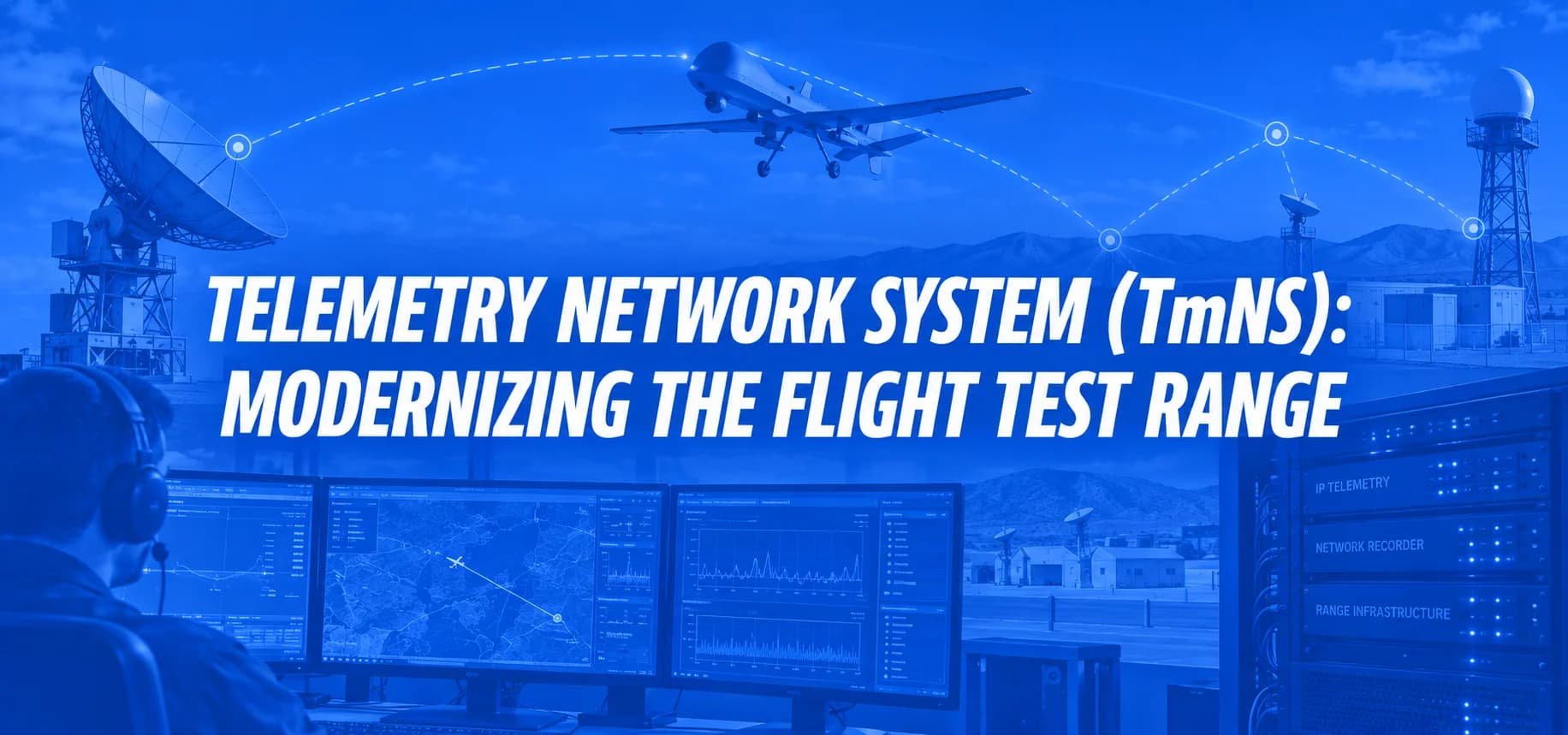

Parraid provides tactical communications solutions, telemetry data systems, and deployable communication products that support mission-critical operations around the globe. Below are some of the most common questions about our technology, services, and support.
Parraid works with aerospace, defense, government, and research organizations that depend on real-time data and secure communications. Our products are engineered to meet the unique operational needs of mission-critical and tactical environments.
Our telemetry data systems enable accurate data acquisition, recording, and playback across test ranges and aerospace applications. With IRIG-106 compliance and TMoIP support, we deliver precise insights for faster mission validation and system performance analysis.
Parraid’s tactical communications solutions are designed for interoperability and resilience. They integrate seamlessly with multi-band radios, SATCOM, and IP-based networks to maintain command, control, and situational awareness in any field condition.
Yes. Our deployable communication products are lightweight, ruggedized, and MIL-STD compliant, ideal for rapid setup and sustained connectivity in mobile or remote missions.
Absolutely. We work closely with our customers to design and configure systems tailored to their operational goals. Whether upgrading existing telemetry infrastructure or developing a fully deployable communication suite, we ensure seamless integration and lifecycle support.
All Parraid systems are designed, built, and supported in the United States. Our team of engineers and specialists provides continuous technical support to ensure mission reliability and customer success.
Connect With Our Team
All Parraid systems are designed, built, and supported in the United States. Our team of engineers and specialists provides continuous technical support to ensure mission reliability and customer success.
Powering secure, real-time data transmission across land, sea, and sky.

Parraid delivers mission-critical telemetry and tactical communications solutions designed to perform when failure is not an option.