Email : sales@parraid.com
Call Us : +1 (301) 690-0690

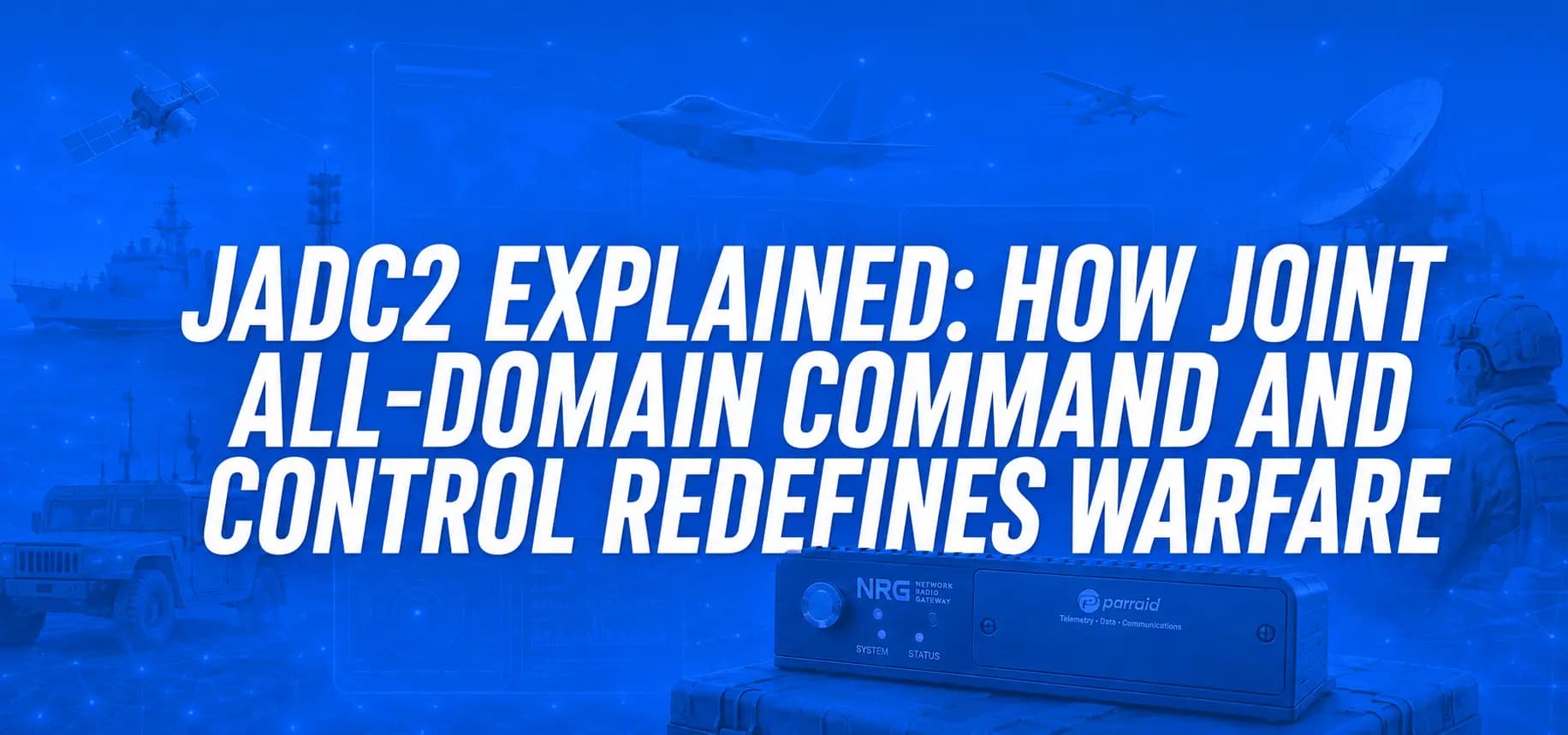
Warfare in the 21st century extends across five domains, land, sea, air, space, and cyberspace simultaneously. Adversaries exploit this multi-domain complexity to create dilemmas for defenders, and traditional command and control systems, designed for single-domain or at most two-domain operations, struggle to provide the situational awareness and decision speed required to respond effectively. Joint All-Domain Command and Control, or JADC2, is the United States Department of Defense's strategic framework for addressing this challenge and it represents one of the most ambitious transformations in military command and control in history.
JADC2 is the DoD's concept for connecting all sensors and shooters across all services and all domains into a single, coherent command and control network. The vision is that any sensor, whether it is an Air Force radar, a Navy sonar, an Army ground sensor, or a space-based surveillance system can provide data to any decision-maker, who can then task any effector, a missile, a cyber capability, an electronic warfare system to respond. This "any sensor to any shooter" concept requires both the technical infrastructure to share data across service boundaries and the doctrinal framework to leverage it effectively.
JADC2 is often described as "the network that connects everything," but this description understates the ambition of the concept. JADC2 requires not just connectivity but also the information management and decision support capabilities to make sense of the enormous volumes of data flowing across the joint force. Artificial intelligence and machine learning are central to the JADC2 vision, providing automated analysis and decision support that helps commanders process information and make decisions faster than adversaries can react.
Realizing the JADC2 vision requires communications infrastructure that can reliably carry data across service, domain, and security classification boundaries in near-real-time. This is where tactical communications solutions like Parraid's Network Radio Gateway (NRG) plays a critical role. The NRG provides the radio bridging and IP transport capability needed to connect legacy radio networks into the JADC2 architecture, enabling ground forces equipped with conventional tactical radios to participate in joint all-domain operations without requiring replacement of their radio equipment.
Each military service has its own JADC2 implementation: the Air Force's Advanced Battle Management System (ABMS), the Army's Project Convergence, and the Navy's Project Overmatch. While these implementations differ in their technical approaches, they share the common goal of connecting service-specific assets into the joint JADC2 architecture. Parraid's OWL solution and deployable communications products are positioned to support this cross-domain connectivity requirement.
JADC2 implementation faces significant technical, organizational, and security challenges. Technical challenges include the difficulty of connecting systems with different data formats, different security classifications, and different network protocols. Organizational challenges include the cultural resistance to sharing data and capabilities across service boundaries. Security challenges include the risk that expanding data sharing increases the attack surface for adversaries. Addressing these challenges requires sustained investment in communications and information technology, as well as cultural change across the joint force. To learn how Parraid's solutions support joint connectivity, visit the deployable communications page.
Powering secure, real-time data transmission across land, sea, and sky.
Dive into our blog for the latest trends, tips, and insights in the world of design and AI technology. Whether you’re looking for inspiration, tutorials, or industry news, our articles are crafted to keep you informed and inspired.

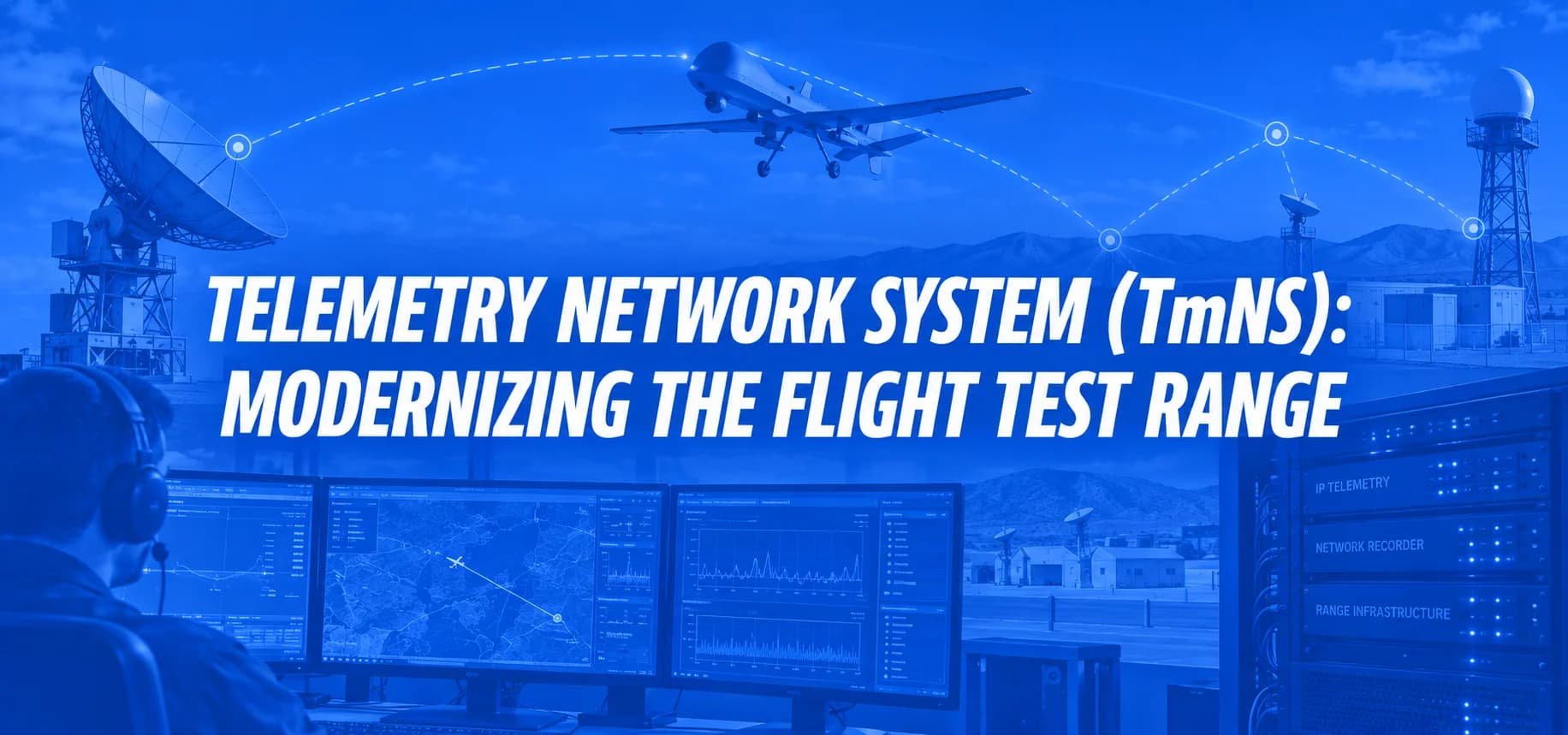

Parraid provides tactical communications solutions, telemetry data systems, and deployable communication products that support mission-critical operations around the globe. Below are some of the most common questions about our technology, services, and support.
Parraid works with aerospace, defense, government, and research organizations that depend on real-time data and secure communications. Our products are engineered to meet the unique operational needs of mission-critical and tactical environments.
Our telemetry data systems enable accurate data acquisition, recording, and playback across test ranges and aerospace applications. With IRIG-106 compliance and TMoIP support, we deliver precise insights for faster mission validation and system performance analysis.
Parraid’s tactical communications solutions are designed for interoperability and resilience. They integrate seamlessly with multi-band radios, SATCOM, and IP-based networks to maintain command, control, and situational awareness in any field condition.
Yes. Our deployable communication products are lightweight, ruggedized, and MIL-STD compliant, ideal for rapid setup and sustained connectivity in mobile or remote missions.
Absolutely. We work closely with our customers to design and configure systems tailored to their operational goals. Whether upgrading existing telemetry infrastructure or developing a fully deployable communication suite, we ensure seamless integration and lifecycle support.
All Parraid systems are designed, built, and supported in the United States. Our team of engineers and specialists provides continuous technical support to ensure mission reliability and customer success.
Connect With Our Team
All Parraid systems are designed, built, and supported in the United States. Our team of engineers and specialists provides continuous technical support to ensure mission reliability and customer success.
Powering secure, real-time data transmission across land, sea, and sky.

Parraid delivers mission-critical telemetry and tactical communications solutions designed to perform when failure is not an option.