Email : sales@parraid.com
Call Us : +1 (301) 690-0690

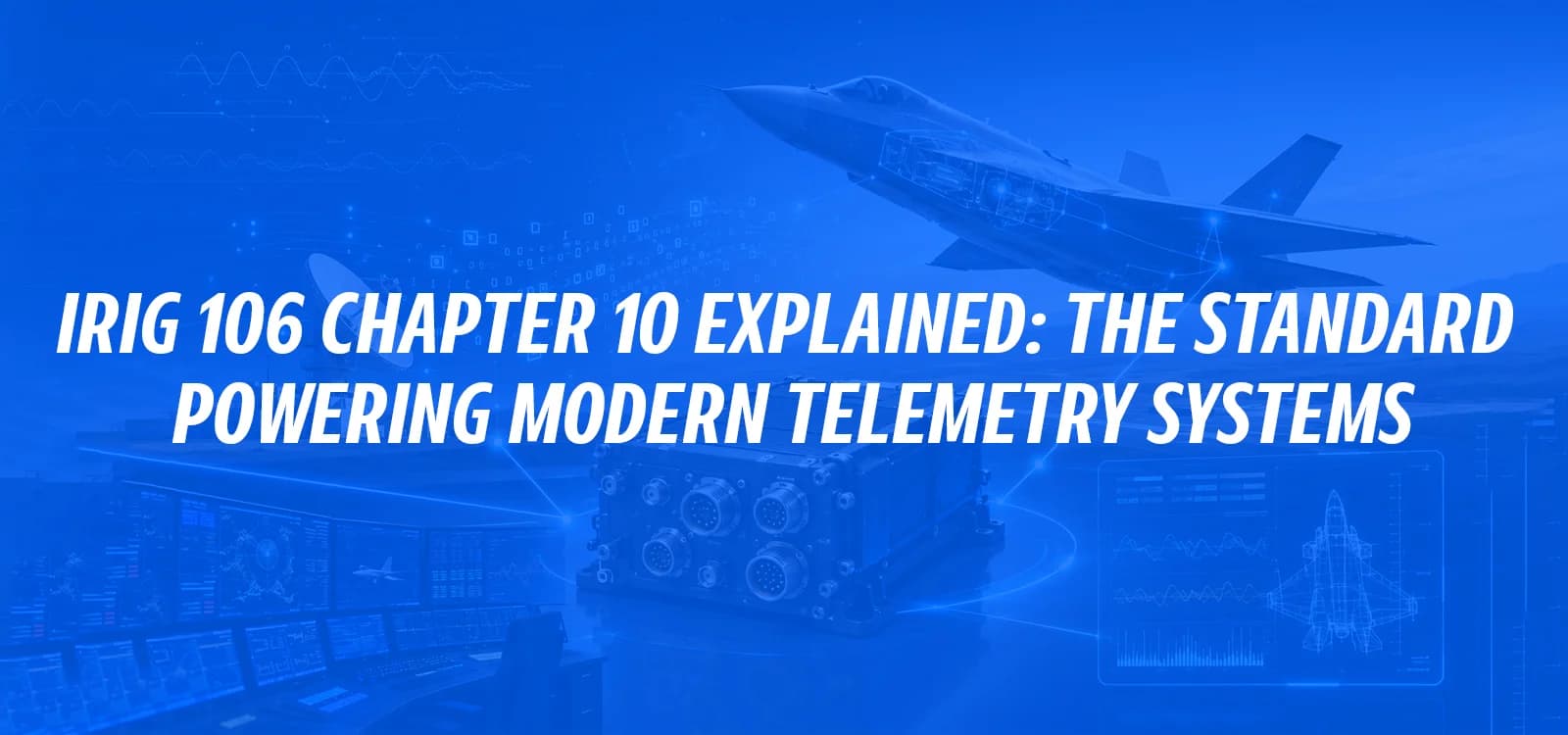
If you work in flight test, range operations, or defense telemetry, you have almost certainly encountered IRIG 106. This suite of technical standards, published by the Inter-Range Instrumentation Group, defines how telemetry data is formatted, transmitted, and recorded across the U.S. test range community and many allied range facilities worldwide. Among its chapters, Chapter 10 has become the de facto standard for digital data recording — the format that links airborne recorders to ground analysis tools.
IRIG 106 is a set of telemetry standards that has evolved over several decades to keep pace with advances in aerospace instrumentation. It covers everything from PCM signal characteristics and modulation schemes to time code formats and, critically, the digital recording standard that is Chapter 10. Maintained by the Range Commanders Council and updated periodically to incorporate new data formats, its greatest strength is interoperability: a Chapter 10 file recorded on one manufacturer's hardware can be read by any compliant analysis tool, breaking vendor lock-in and enabling data sharing across program offices.
A Chapter 10 file is organized as a sequence of data packets, each tagged with an Intra-Packet Time Stamp (IPTS) that enables precise time correlation across all channels. Packets are grouped by data type, each occupying a dedicated channel ID. So, a single file can simultaneously carry raw PCM telemetry, 1553 bus traffic, discrete event markers, and video without ambiguity. The header includes recording system information, channel configuration, and the time reference, allowing analysis software to fully reconstruct the test environment without external documentation.
Chapter 10 recording is supported natively by Parraid's IMUX G2e and G2eH recorders, which provide dual-path recording to eliminate data loss from single-point failures. On the processing side, the G3 TMoIP data processing platform ingests Chapter 10 streams and redistributes them over IP networks, enabling remote real-time monitoring and playback at geographically separated facilities — particularly valuable for distributed test range architectures where the data acquisition node and analysis center are miles apart.
As flight test instrumentation migrated toward Ethernet-based data acquisition systems, the range community recognized that Chapter 10's recording model needed extension for IP networks. Chapter 11 of IRIG 106 defines a format for recording UDP and TCP data streams arriving over standard network interfaces. Chapter 11 is not a replacement for Chapter 10; it is a complementary standard that handles the growing proportion of test data traveling over IP. The IMUX RE-CON network recorder supports both Chapter 10 and Chapter 11, auto-detecting stream formats and storing them appropriately without manual configuration.
For many U.S. government and DoD programs, Chapter 10 compliance is a contractual requirement. Government-owned test ranges require it to ensure data can be processed by range analysis tools, shared with government program offices, and preserved in long-term archives. Beyond compliance, standardization delivers real operational value: engineers can use best-of-breed analysis tools from multiple vendors, data from multiple test vehicles can be correlated in a single session, and recordings archived today can be re-examined with future analysis capabilities. For organizations evaluating Chapter 10 solutions, Parraid's telemetry portfolio offers compliant options for every scale of flight test program.
Powering secure, real-time data transmission across land, sea, and sky.
Dive into our blog for the latest trends, tips, and insights in the world of design and AI technology. Whether you’re looking for inspiration, tutorials, or industry news, our articles are crafted to keep you informed and inspired.
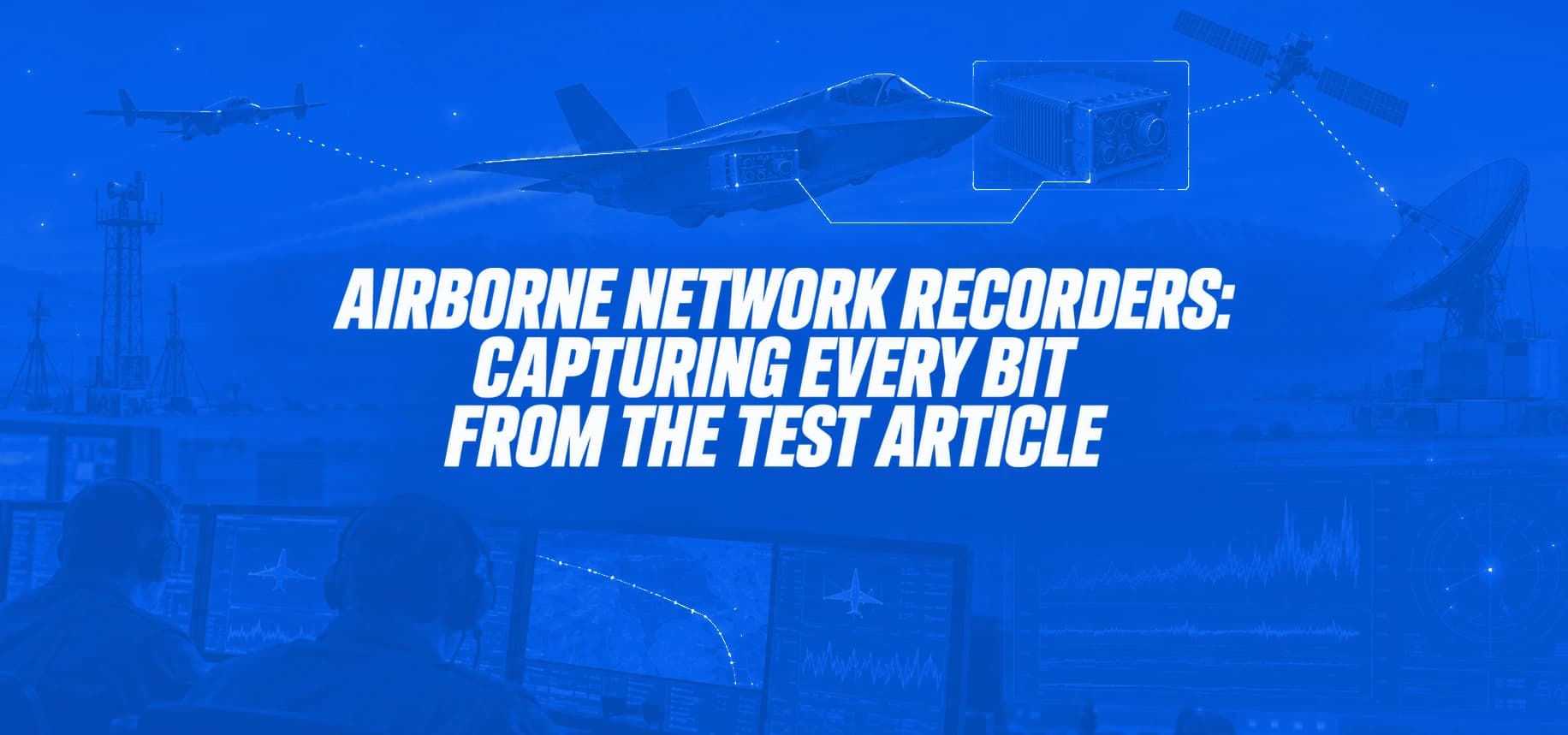

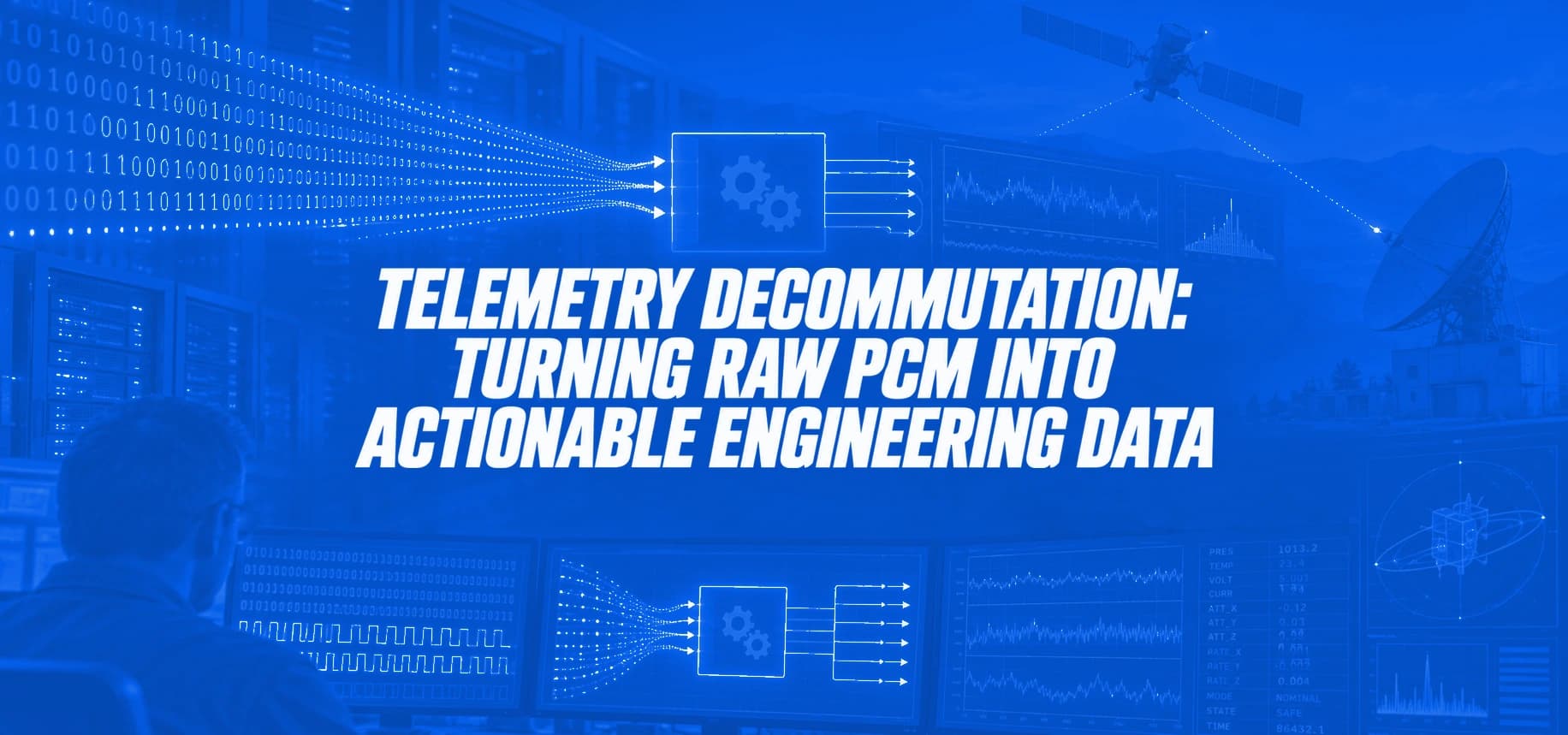
Parraid provides tactical communications solutions, telemetry data systems, and deployable communication products that support mission-critical operations around the globe. Below are some of the most common questions about our technology, services, and support.
Parraid works with aerospace, defense, government, and research organizations that depend on real-time data and secure communications. Our products are engineered to meet the unique operational needs of mission-critical and tactical environments.
Our telemetry data systems enable accurate data acquisition, recording, and playback across test ranges and aerospace applications. With IRIG-106 compliance and TMoIP support, we deliver precise insights for faster mission validation and system performance analysis.
Parraid’s tactical communications solutions are designed for interoperability and resilience. They integrate seamlessly with multi-band radios, SATCOM, and IP-based networks to maintain command, control, and situational awareness in any field condition.
Yes. Our deployable communication products are lightweight, ruggedized, and MIL-STD compliant, ideal for rapid setup and sustained connectivity in mobile or remote missions.
Absolutely. We work closely with our customers to design and configure systems tailored to their operational goals. Whether upgrading existing telemetry infrastructure or developing a fully deployable communication suite, we ensure seamless integration and lifecycle support.
All Parraid systems are designed, built, and supported in the United States. Our team of engineers and specialists provides continuous technical support to ensure mission reliability and customer success.
Connect With Our Team
All Parraid systems are designed, built, and supported in the United States. Our team of engineers and specialists provides continuous technical support to ensure mission reliability and customer success.
Powering secure, real-time data transmission across land, sea, and sky.

Parraid delivers mission-critical telemetry and tactical communications solutions designed to perform when failure is not an option.