Email : sales@parraid.com
Call Us : +1 (301) 690-0690

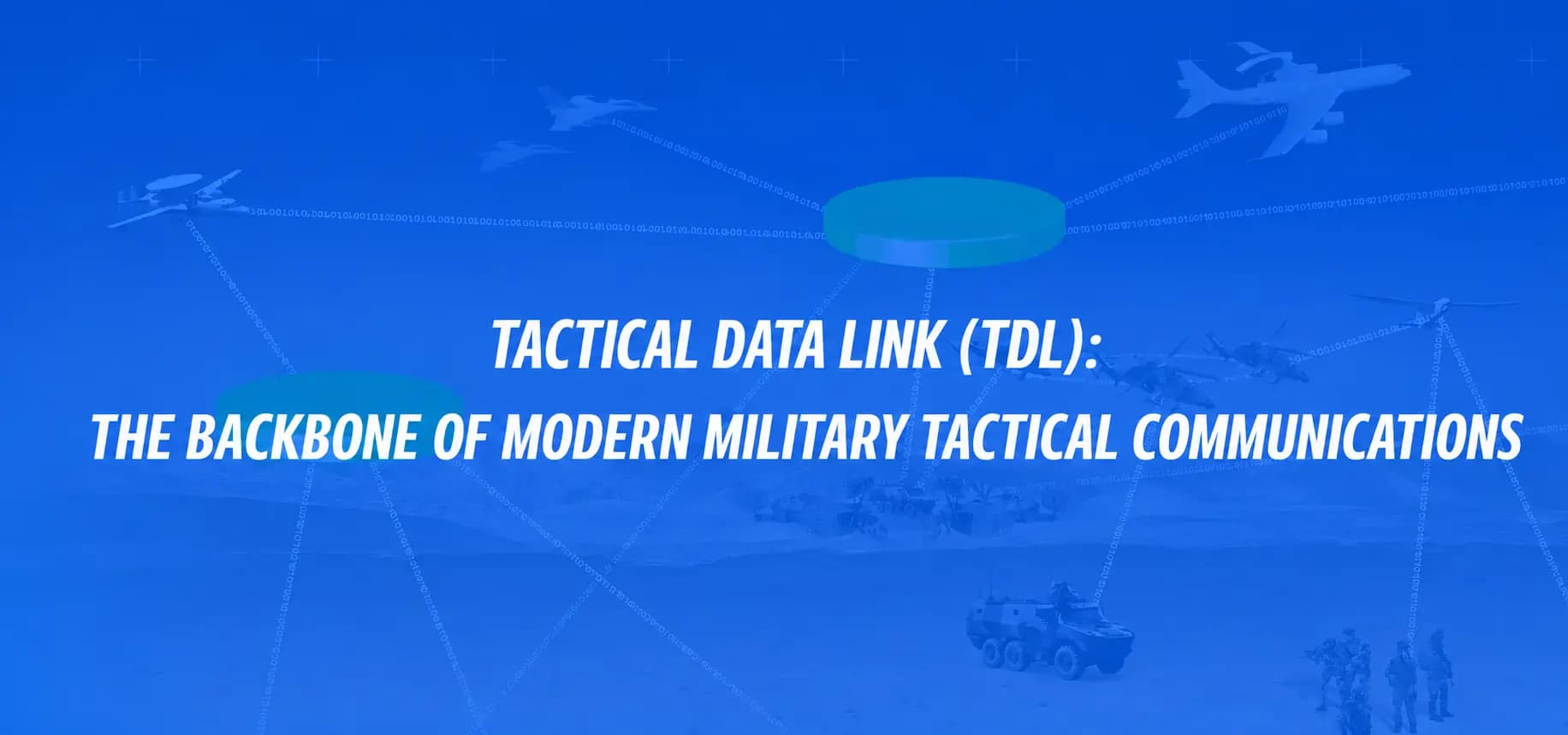
A Tactical Data Link is a secure, standardized communication system used by military forces to transmit real-time data—including position, command, intelligence, and targeting information—between platforms such as aircraft, ships, ground vehicles, and command centers. These links are essential for enabling situational awareness, joint operations, and rapid decision-making in modern warfare.
Modern military operations demand speed, accuracy, and coordination. TDLs meet these demands by allowing different units across air, land, sea, and cyber domains to share a common operational picture. This interoperability improves mission effectiveness, reduces the risk of fratricide, and enhances the ability to respond to threats in real-time.
Transmits critical information instantly across multiple units and platforms.
Supports joint and coalition operations through standardized message formats and protocols.
Utilizes encryption and frequency hopping to prevent interception or jamming.
Supports a range of mission types from small unit operations to large-scale joint force maneuvers.
One of the most widely used TDLs, Link 16 supports secure, jam-resistant communication between NATO and allied platforms. It provides real-time situational awareness, command and control (C2), and targeting information.
An older system still in limited use, Link 11 allows for data sharing between ships and aircraft. It is being phased out in favor of more advanced links like Link 16 and Link 22.
Designed to replace Link 11, Link 22 offers improved security, data capacity, and interoperability across air, surface, and subsurface platforms.
Used primarily for ground-based systems, VMF and J-Series messages enable detailed, structured communication that integrates with airborne and naval platforms.
TDLs provide commanders and units with a common operational picture, enabling faster and more informed decisions on the battlefield.
By using standardized protocols, TDLs allow allied forces to operate as a cohesive unit, enhancing mission success in multinational operations.
With real-time data on friendly and enemy positions, TDLs help prevent blue-on-blue incidents and improve targeting accuracy.
TDLs enable commanders to issue orders and receive updates instantly, shortening the decision-making cycle and allowing for adaptive responses.
As militaries continue to evolve toward network-centric warfare, Tactical Data Links will remain at the core of integrated communication architectures. Emerging technologies such as AI, satellite-based TDLs, and cyber-resilient networks are enhancing TDL capabilities for future battlefield dominance.
While TDLs offer significant advantages, they also present challenges:
Increased data use requires efficient spectrum management.
Secure encryption and authentication are essential to prevent data compromise.
Integrating legacy systems with modern TDLs can be complex.
Tactical Data Links are no longer optional—they’re mission-critical. From enabling joint strike operations to protecting forces through real-time data exchange, TDLs form the communication backbone of modern military tactics. As threats become more sophisticated, so too must the systems that defend against them.
Powering secure, real-time data transmission across land, sea, and sky.
Dive into our blog for the latest trends, tips, and insights in the world of design and AI technology. Whether you’re looking for inspiration, tutorials, or industry news, our articles are crafted to keep you informed and inspired.
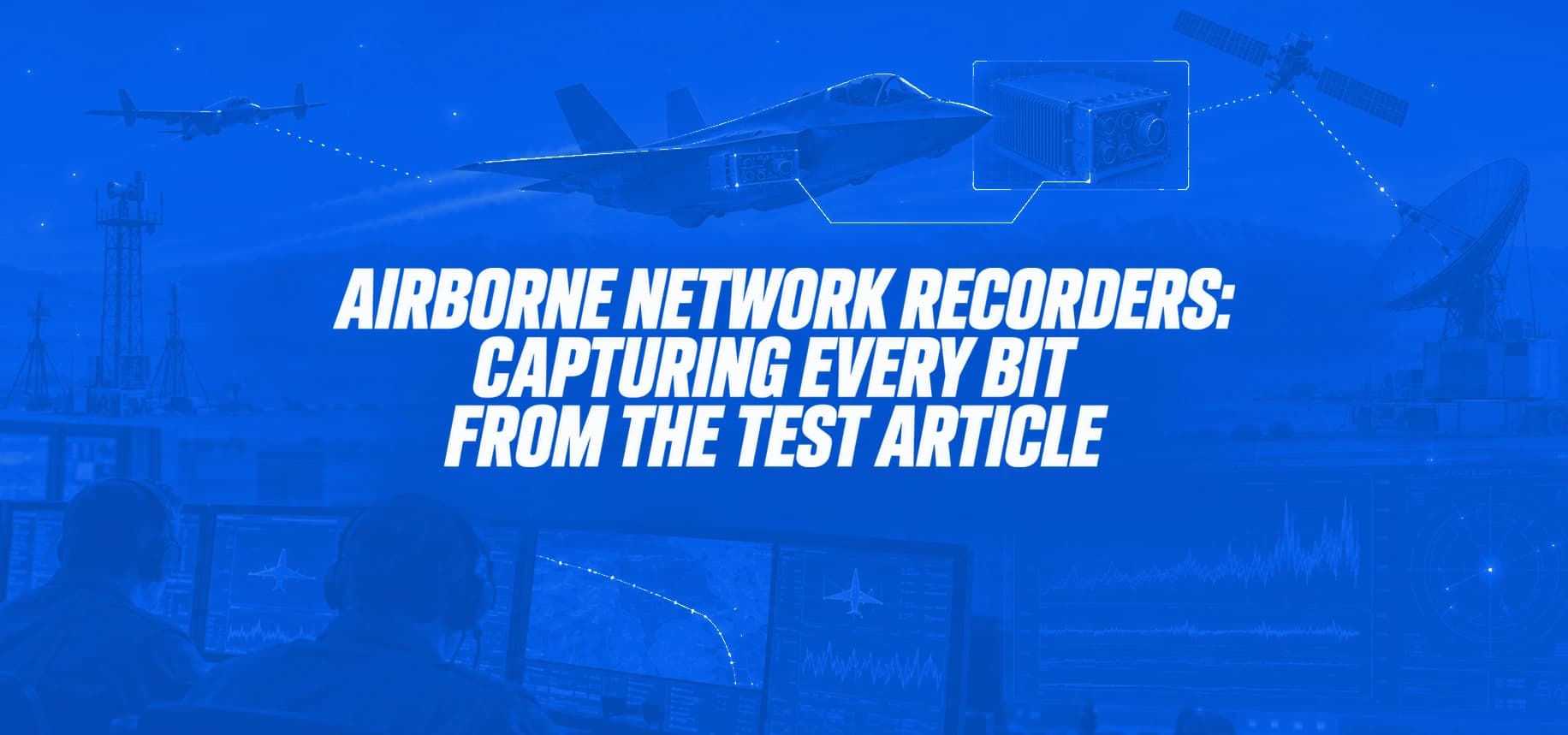

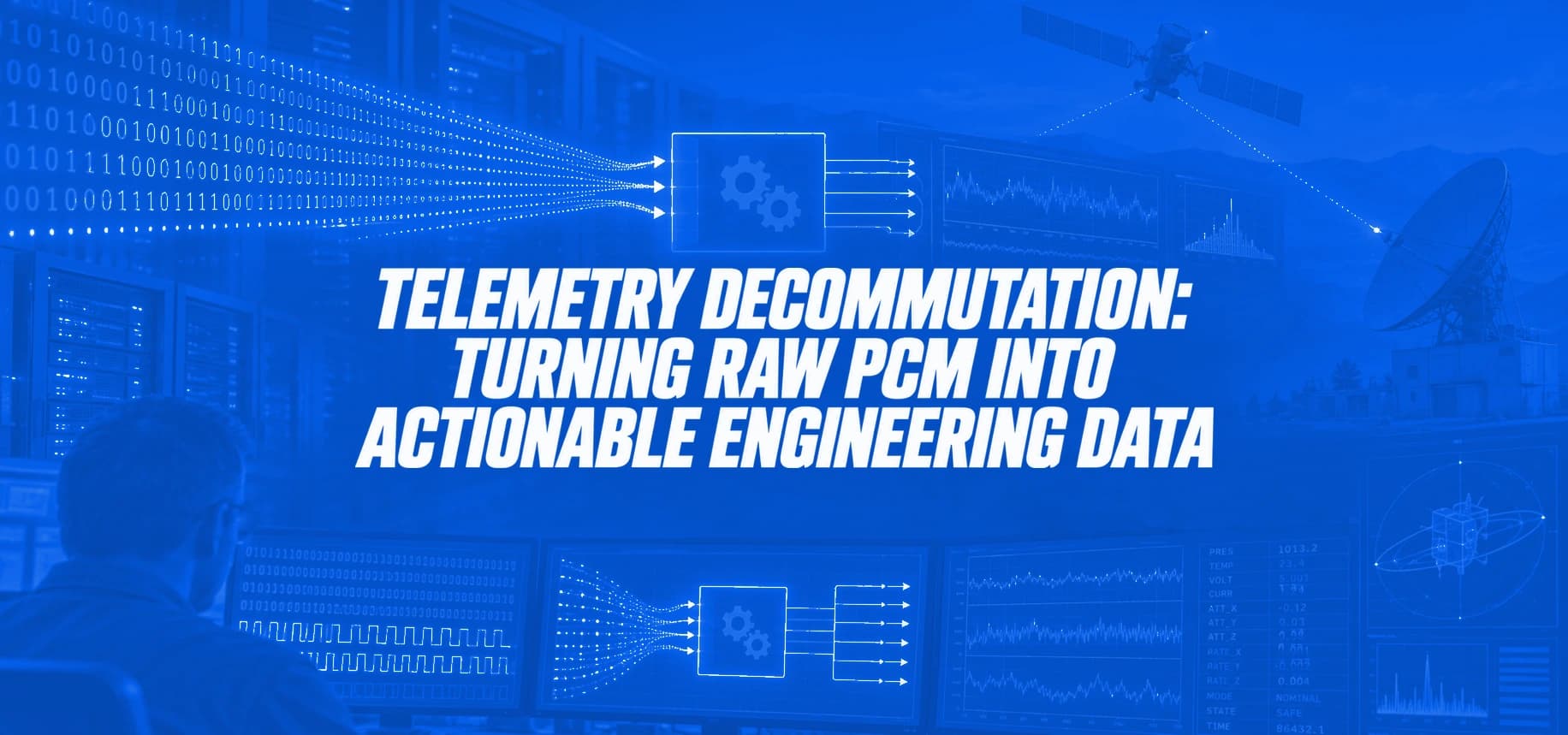
Parraid provides tactical communications solutions, telemetry data systems, and deployable communication products that support mission-critical operations around the globe. Below are some of the most common questions about our technology, services, and support.
Parraid works with aerospace, defense, government, and research organizations that depend on real-time data and secure communications. Our products are engineered to meet the unique operational needs of mission-critical and tactical environments.
Our telemetry data systems enable accurate data acquisition, recording, and playback across test ranges and aerospace applications. With IRIG-106 compliance and TMoIP support, we deliver precise insights for faster mission validation and system performance analysis.
Parraid’s tactical communications solutions are designed for interoperability and resilience. They integrate seamlessly with multi-band radios, SATCOM, and IP-based networks to maintain command, control, and situational awareness in any field condition.
Yes. Our deployable communication products are lightweight, ruggedized, and MIL-STD compliant, ideal for rapid setup and sustained connectivity in mobile or remote missions.
Absolutely. We work closely with our customers to design and configure systems tailored to their operational goals. Whether upgrading existing telemetry infrastructure or developing a fully deployable communication suite, we ensure seamless integration and lifecycle support.
All Parraid systems are designed, built, and supported in the United States. Our team of engineers and specialists provides continuous technical support to ensure mission reliability and customer success.
Connect With Our Team
All Parraid systems are designed, built, and supported in the United States. Our team of engineers and specialists provides continuous technical support to ensure mission reliability and customer success.
Powering secure, real-time data transmission across land, sea, and sky.

Parraid delivers mission-critical telemetry and tactical communications solutions designed to perform when failure is not an option.