Email : sales@parraid.com
Call Us : +1 (301) 690-0690

In today’s complex and rapidly evolving battlefield environment, tactical radio networks play a crucial role in ensuring seamless, secure, and reliable communication among military units. Whether on the ground, in the air, or at sea, these networks provide the real-time connectivity that warfighters need to coordinate operations, maintain situational awareness, and achieve mission success.
A tactical radio network is a communication infrastructure designed specifically for use in combat and field operations. It enables voice, data, and video communication over secure, resilient radio links that are optimized for mobility, ruggedness, and quick deployment.
Unlike commercial networks, tactical radio systems are engineered to perform under harsh environmental conditions, resist jamming and interception, and support interoperability among allied forces.
Security is paramount in tactical environments. Advanced encryption technologies protect communications from being intercepted by adversaries, ensuring that mission-critical information remains confidential.
Modern tactical radios are designed to work across various platforms and with multiple military branches and allied forces. This radio interoperability ensures seamless coordination in joint operations and coalition missions.
Tactical radio networks must adapt to a range of mission scenarios—from small squad-level engagements to large-scale theater operations. Mesh networking capabilities allow radios to form dynamic, self-healing networks that grow and evolve as needed.
High-throughput radios support not just voice but also video, GPS positioning, and sensor data. This enables commanders to receive real-time updates from the field, improving decision-making and response times.
Tactical radios are built to MIL-STD-810 standards, meaning they can withstand extreme temperatures, humidity, shock, and vibration, critical for equipment used in combat zones.
Ground Forces Coordination – Squad leaders use handheld tactical radios to stay in constant contact with team members and command centers.
Air-Ground Operations – Pilots and JTACs (Joint Terminal Attack Controllers) rely on secure radio links to coordinate airstrikes and support.
Naval Operations – Ships and marine units use tactical radio networks to maintain secure communications across vast maritime environments.
Disaster Response & Peacekeeping – These systems are also used in humanitarian missions where infrastructure is damaged or nonexistent.
With the rise of software-defined radios (SDRs), the future of tactical communication is becoming more flexible and upgradable. SDRs allow frequency, waveform, and encryption updates via software, enabling rapid adaptation to evolving threats and standards. Additionally, integration with satellite communication (SATCOM) and 5G technologies is extending the range and capabilities of tactical radio systems, providing faster and more reliable communication in even the most remote locations.
In any mission, communication is as vital as weapons or manpower. Without secure and reliable communication, coordination breaks down, and mission effectiveness is compromised. Tactical radio networks ensure that military units can operate with confidence, precision, and safety, no matter the terrain or threat.
As the demand for secure, real-time military communication grows, tactical radio systems will continue to evolve, incorporating next-generation technologies that enhance operational effectiveness. For defense contractors, military planners, and tech developers, understanding the capabilities and trends in tactical radio networks is essential to maintaining an edge in modern warfare.
Need help choosing the right tactical radio system? Contact our experts at Parraid for a free consultation.
Powering secure, real-time data transmission across land, sea, and sky.
Dive into our blog for the latest trends, tips, and insights in the world of design and AI technology. Whether you’re looking for inspiration, tutorials, or industry news, our articles are crafted to keep you informed and inspired.
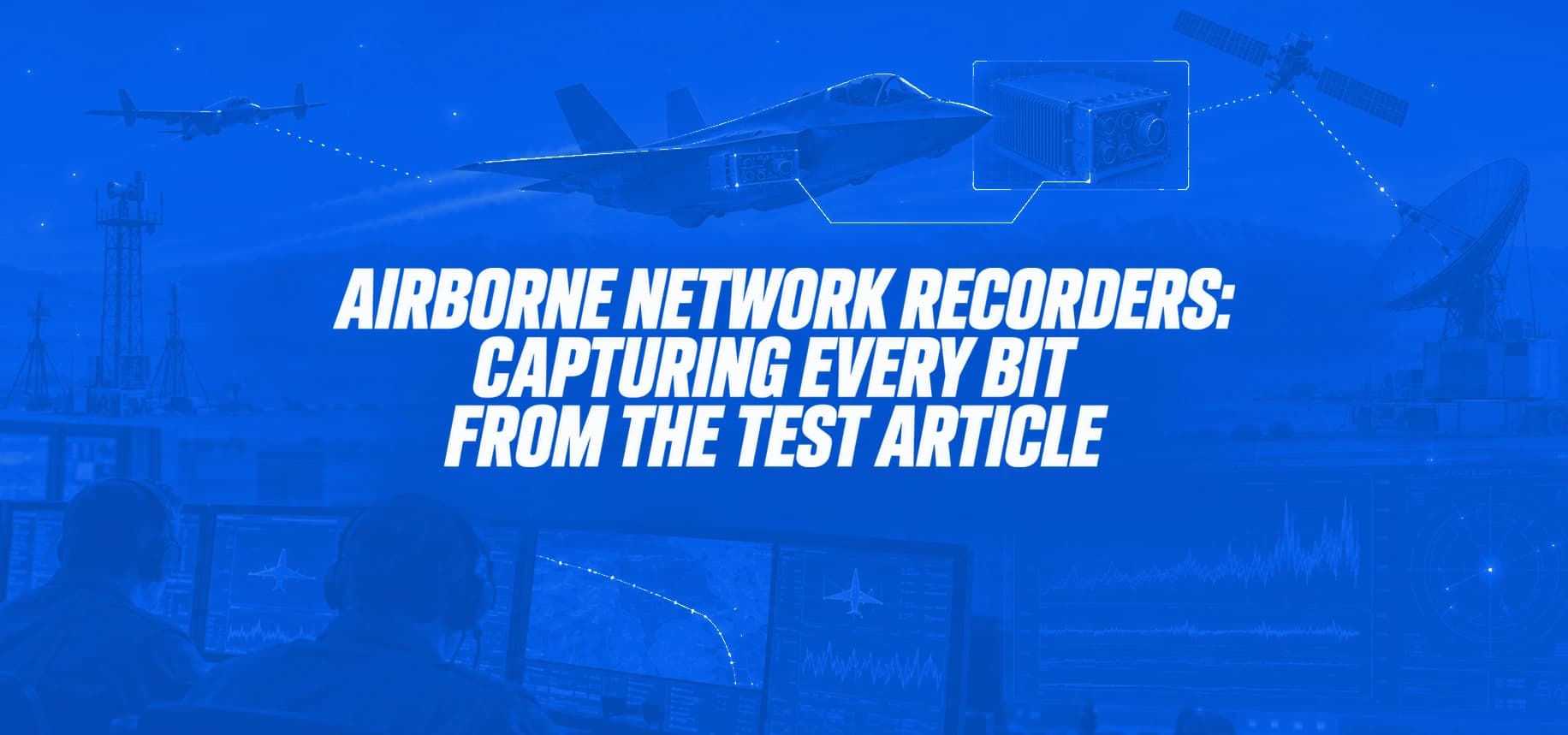

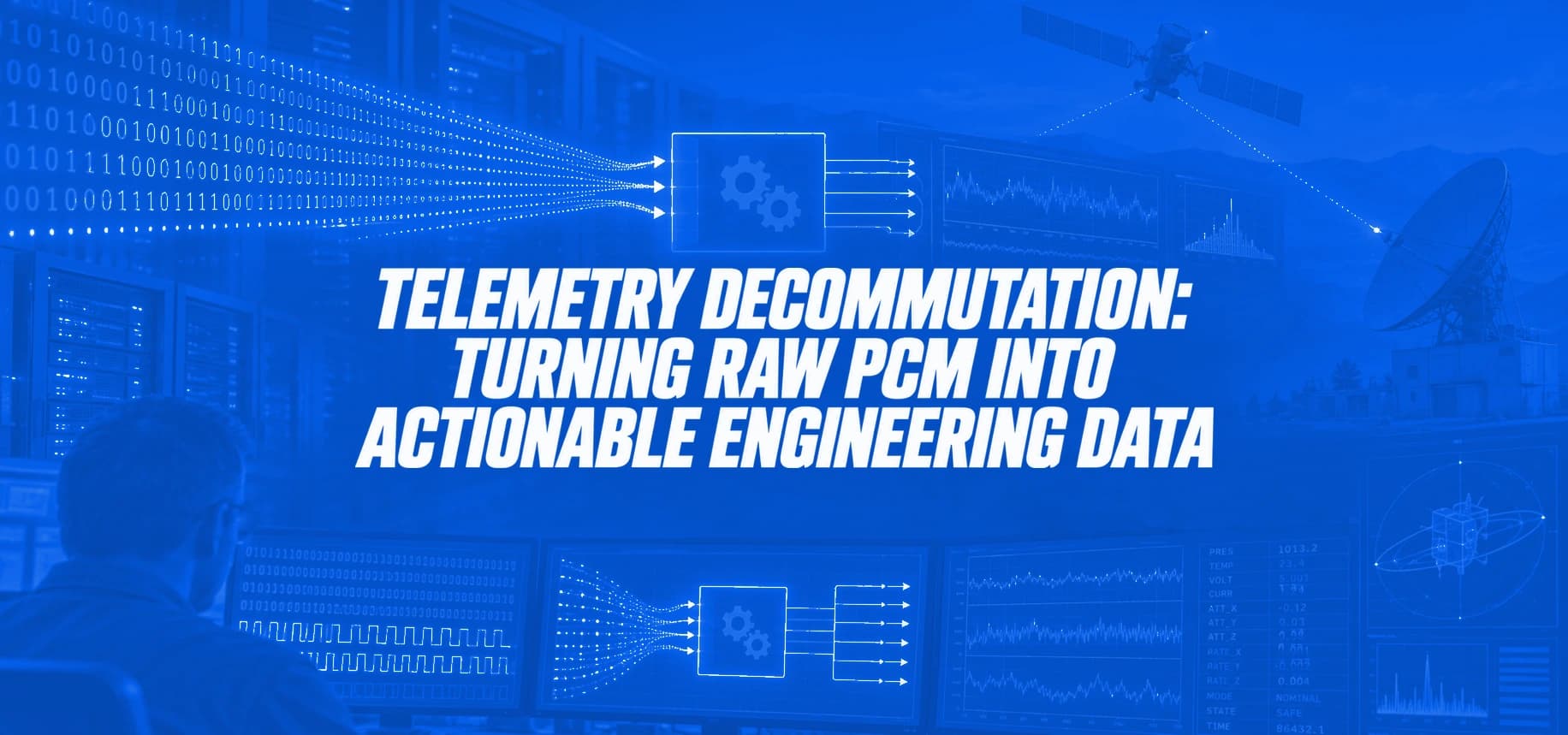
Parraid provides tactical communications solutions, telemetry data systems, and deployable communication products that support mission-critical operations around the globe. Below are some of the most common questions about our technology, services, and support.
Parraid works with aerospace, defense, government, and research organizations that depend on real-time data and secure communications. Our products are engineered to meet the unique operational needs of mission-critical and tactical environments.
Our telemetry data systems enable accurate data acquisition, recording, and playback across test ranges and aerospace applications. With IRIG-106 compliance and TMoIP support, we deliver precise insights for faster mission validation and system performance analysis.
Parraid’s tactical communications solutions are designed for interoperability and resilience. They integrate seamlessly with multi-band radios, SATCOM, and IP-based networks to maintain command, control, and situational awareness in any field condition.
Yes. Our deployable communication products are lightweight, ruggedized, and MIL-STD compliant, ideal for rapid setup and sustained connectivity in mobile or remote missions.
Absolutely. We work closely with our customers to design and configure systems tailored to their operational goals. Whether upgrading existing telemetry infrastructure or developing a fully deployable communication suite, we ensure seamless integration and lifecycle support.
All Parraid systems are designed, built, and supported in the United States. Our team of engineers and specialists provides continuous technical support to ensure mission reliability and customer success.
Connect With Our Team
All Parraid systems are designed, built, and supported in the United States. Our team of engineers and specialists provides continuous technical support to ensure mission reliability and customer success.
Powering secure, real-time data transmission across land, sea, and sky.

Parraid delivers mission-critical telemetry and tactical communications solutions designed to perform when failure is not an option.