Email : sales@parraid.com
Call Us : +1 (301) 690-0690


Radio over IP is a cutting-edge communication technology that enables traditional two-way radio systems to transmit voice and data over IP (Internet Protocol) networks. Similar to Voice over IP (VoIP) but augments two-way radio communications rather than telephone calls. RoIP converts analog or digital radio signals into IP packets, allowing them to be transmitted across the internet, private networks, or cloud-based platforms. From the system point of view, it is essentially VoIP with push-to-talk.
Traditional radio systems are often limited by geography, frequency range, and infrastructure costs. RoIP eliminates these constraints by leveraging existing IP networks to create scalable, flexible, and cost-effective communication solutions. Here’s why RoIP is rapidly becoming a game-changer:
Communicate globally without the need for expensive repeaters or satellite links.
Seamlessly connect disparate radio systems (VHF, UHF, HF, P25, DMR, etc.) across agencies or departments.
Reduce infrastructure costs by using existing IP networks.
Easily add or remove users and channels without major hardware upgrades.
RoIP allows users to connect radios across cities, states, or countries. Whether you’re coordinating logistics across a supply chain or managing disaster response in real-time, RoIP ensures everyone stays connected—anywhere, anytime.
One of the biggest advantages of RoIP is its ability to link different radio systems, regardless of brand, frequency, or modulation type. This makes it a valuable tool for public safety, military, transportation, and utility services, where cross-agency collaboration is critical.
By converting analog signals into digital packets, RoIP often delivers clearer audio and more reliable transmission, especially in environments with heavy interference or long distances.
With RoIP, radio systems can be monitored and controlled remotely via a web interface or mobile device. This is particularly useful for IT teams or command centers overseeing multiple locations.
RoIP is the most affordable and reliable critical communications system available. RoIP technology and equipment have become more affordable in recent years, and new satellite solutions with very competitive flat rates make budgeting and analysis simple.
Because of its interoperability and range, RoIP is almost endlessly flexible. Whether you need mobile RoIP for use in vehicles, portable RoIP for teams on the go, fixed site RoIP for buildings and job sites, or a combination, there are simple and rugged solutions to match your operational needs.
While both RoIP and VoIP use the same IP infrastructure, they serve different purposes. VoIP is optimized for telephony, while RoIP is specifically engineered to handle the unique needs of two-way push-to-talk (PTT) communications, including:
Priority override
Emergency signaling
Dispatch integration
Half-duplex voice control
Fire, police, EMS can communicate across jurisdictions in real-time.
Maintain communication between control centers and fleets across regions.
Coordinate field operations from remote control rooms.
Secure, scalable, and mission-critical communication over any terrain.
The next wave of RoIP innovation is being powered by cloud computing. Cloud-based RoIP solutions offer unparalleled scalability, redundancy, and accessibility, making them ideal for organizations seeking agile and resilient communication infrastructure.
As digital transformation reshapes the communications landscape, RoIP technology stands out as a robust, future-proof solution. From enhancing interoperability to expanding communication reach, RoIP is redefining what is possible in radio communications. If you’re looking to modernize your radio network or integrate disparate communication solutions, RoIP may be the key to unlocking greater efficiency and connectivity.
Powering secure, real-time data transmission across land, sea, and sky.
Dive into our blog for the latest trends, tips, and insights in the world of design and AI technology. Whether you’re looking for inspiration, tutorials, or industry news, our articles are crafted to keep you informed and inspired.
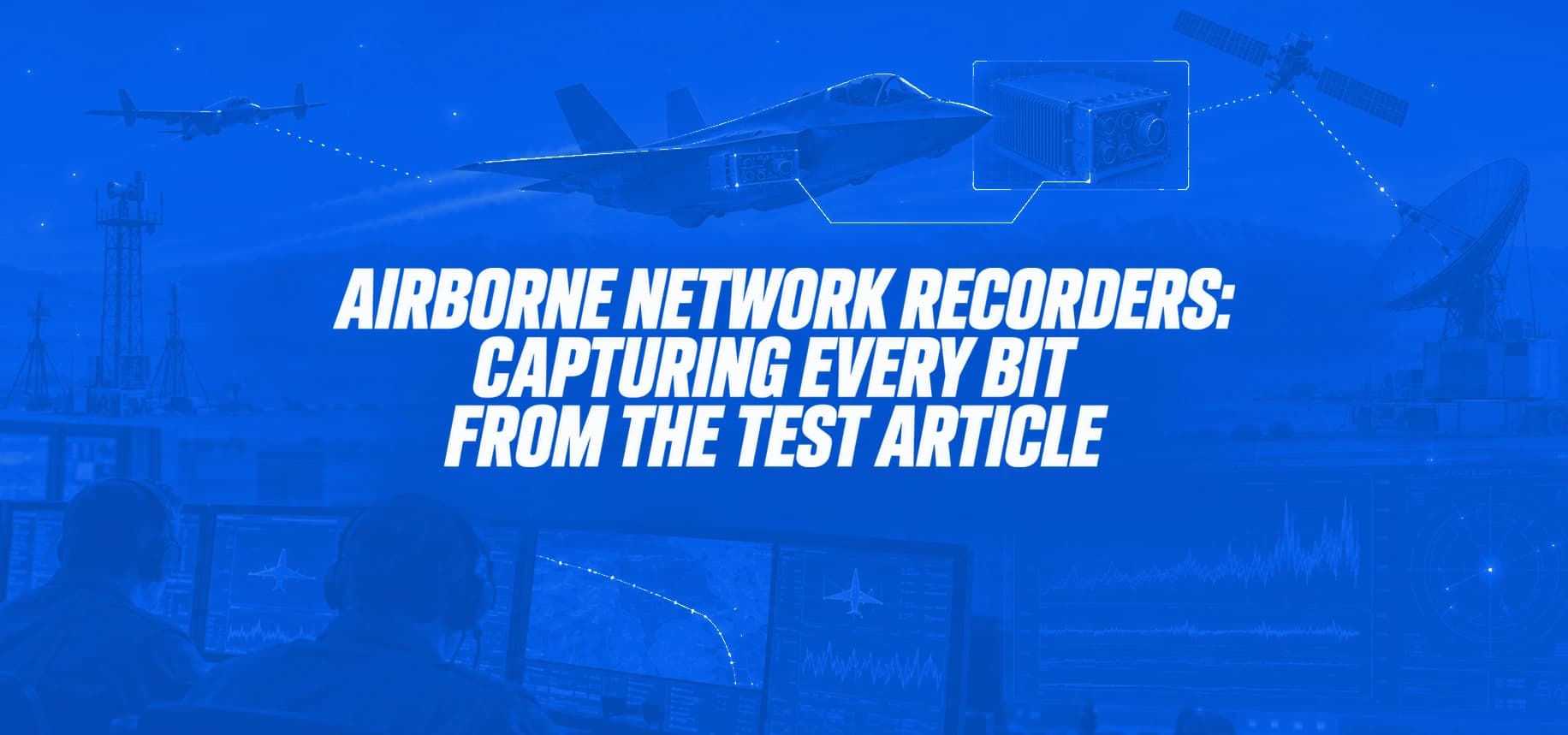

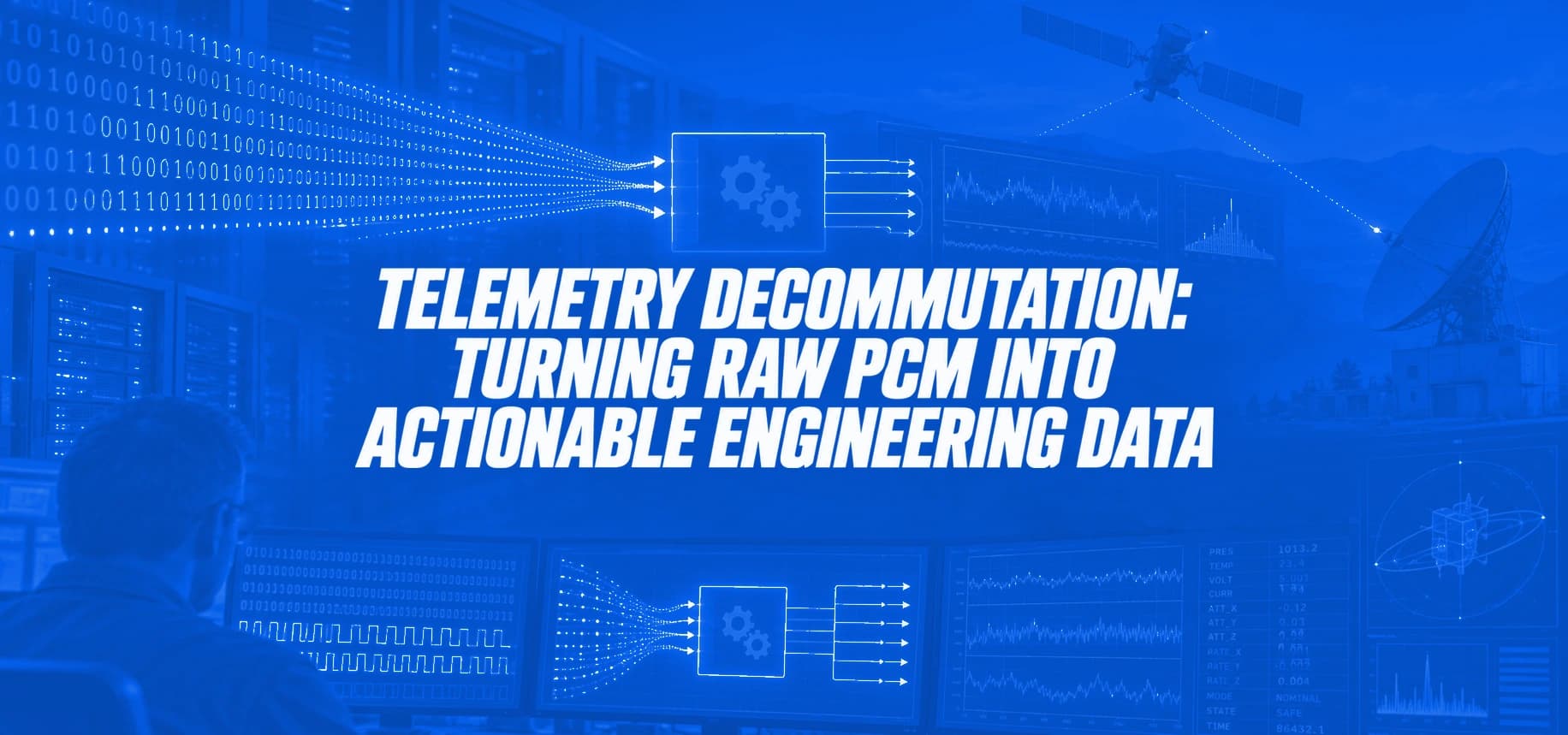
Parraid provides tactical communications solutions, telemetry data systems, and deployable communication products that support mission-critical operations around the globe. Below are some of the most common questions about our technology, services, and support.
Parraid works with aerospace, defense, government, and research organizations that depend on real-time data and secure communications. Our products are engineered to meet the unique operational needs of mission-critical and tactical environments.
Our telemetry data systems enable accurate data acquisition, recording, and playback across test ranges and aerospace applications. With IRIG-106 compliance and TMoIP support, we deliver precise insights for faster mission validation and system performance analysis.
Parraid’s tactical communications solutions are designed for interoperability and resilience. They integrate seamlessly with multi-band radios, SATCOM, and IP-based networks to maintain command, control, and situational awareness in any field condition.
Yes. Our deployable communication products are lightweight, ruggedized, and MIL-STD compliant, ideal for rapid setup and sustained connectivity in mobile or remote missions.
Absolutely. We work closely with our customers to design and configure systems tailored to their operational goals. Whether upgrading existing telemetry infrastructure or developing a fully deployable communication suite, we ensure seamless integration and lifecycle support.
All Parraid systems are designed, built, and supported in the United States. Our team of engineers and specialists provides continuous technical support to ensure mission reliability and customer success.
Connect With Our Team
All Parraid systems are designed, built, and supported in the United States. Our team of engineers and specialists provides continuous technical support to ensure mission reliability and customer success.
Powering secure, real-time data transmission across land, sea, and sky.

Parraid delivers mission-critical telemetry and tactical communications solutions designed to perform when failure is not an option.