Email : sales@parraid.com
Call Us : +1 (301) 690-0690

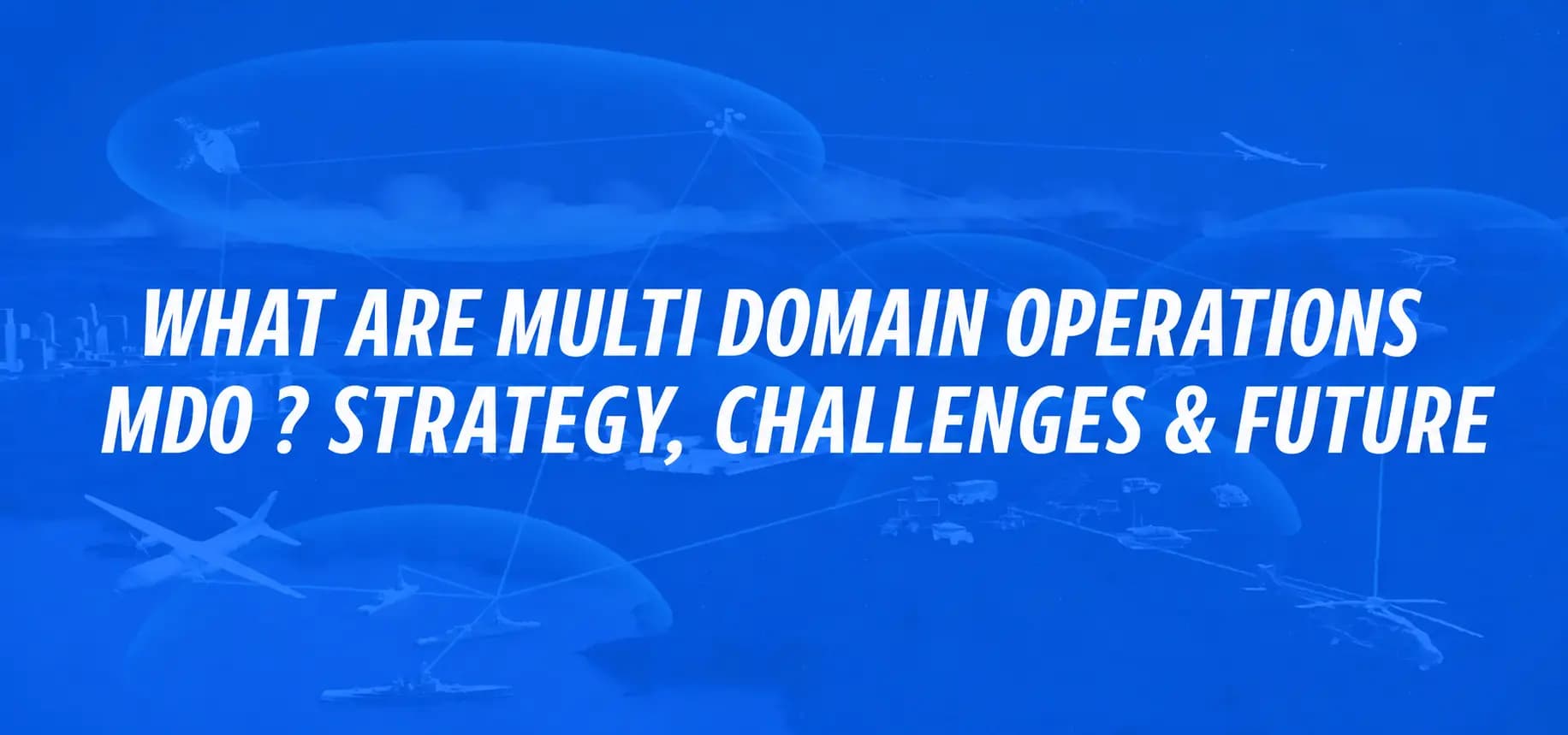
In today’s rapidly evolving battlefield, war is no longer confined to land, air, or sea. Modern military conflicts extend into cyberspace and outer space, where data and digital infrastructure can be just as critical as boots on the ground. Enter Multi-Domain Operations—a revolutionary approach to warfare that synchronizes efforts across all domains to gain a strategic advantage.
Multi-Domain Operations refer to coordinated military actions that integrate capabilities across five operational domains:
Land
Air
Sea
Space
Cyberspace
Rather than viewing these domains separately, MDO envisions them as interconnected layers of modern combat. The objective is to apply pressure across multiple domains simultaneously to create dilemmas that overwhelm adversaries.
The concept of MDO was born out of the need to address near-peer threats—nations like China and Russia, who possess sophisticated anti-access/area denial (A2/AD) systems. Traditional military doctrines weren’t sufficient to counter these complex, layered defenses. By employing a multi-domain approach, forces can bypass, disrupt, or neutralize threats through unexpected vectors.
Success in MDO requires seamless coordination between Army, Navy, Air Force, Space Force, and Cyber Command units. Each domain must contribute intelligence, surveillance, and kinetic or non-kinetic effects.
Timely decision-making powered by AI and machine learning plays a crucial role. Data must be processed and shared across platforms in real-time.
JADC2 is the Department of Defense’s initiative to enable faster and more integrated responses by connecting sensors and shooters across domains.
MDO is designed around exploiting the specific weaknesses of an opponent’s systems, using a mix of deception, disruption, and direct attack.
Despite its advantages, implementing MDO comes with significant challenges:
Legacy systems often can’t communicate across services or domains.
Expanding into cyber and space introduces new vulnerabilities.
Warfighters must be trained not just in their domain, but in understanding the roles and impact of others.
Multinational operations require shared standards and secure data-sharing agreements.
The U.S. military and its allies continue to invest in MDO through initiatives like Project Convergence and NATO’s Multi-Domain Operations Framework. Emerging technologies—like autonomous drones, low-earth orbit satellites, and quantum communication—are poised to enhance MDO’s effectiveness
Additionally, the integration of artificial intelligence, machine learning, and cloud computing is expected to accelerate the pace of decision-making and create a more agile force capable of dominating across domains.
Multi-Domain Operations represent a paradigm shift in how military forces prepare for and engage in conflict. As threats grow more sophisticated, the ability to coordinate and strike across land, air, sea, space, and cyberspace will be essential for maintaining strategic dominance. MDO isn’t just the future of warfare—it’s the present.
Powering secure, real-time data transmission across land, sea, and sky.
Dive into our blog for the latest trends, tips, and insights in the world of design and AI technology. Whether you’re looking for inspiration, tutorials, or industry news, our articles are crafted to keep you informed and inspired.
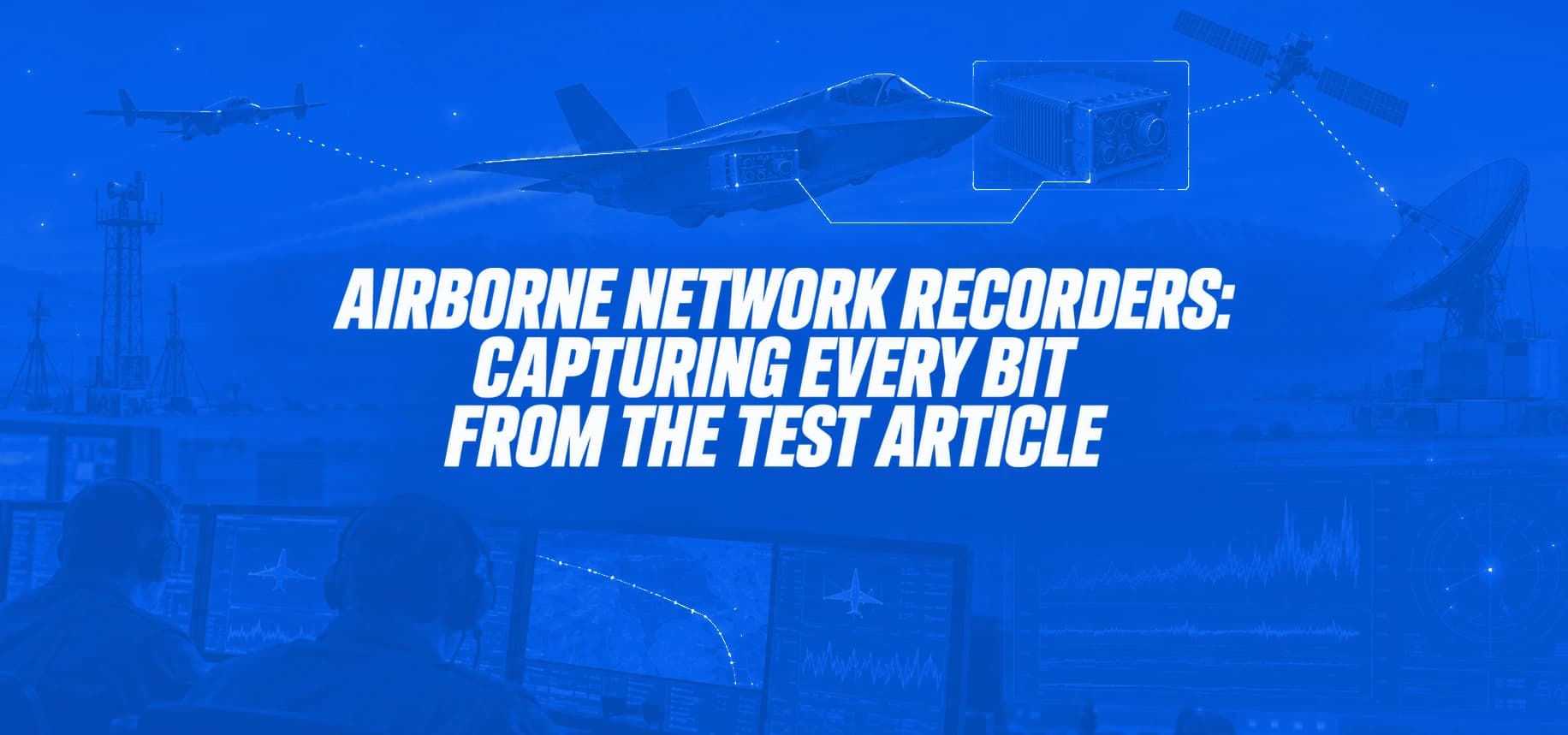


Parraid provides tactical communications solutions, telemetry data systems, and deployable communication products that support mission-critical operations around the globe. Below are some of the most common questions about our technology, services, and support.
Parraid works with aerospace, defense, government, and research organizations that depend on real-time data and secure communications. Our products are engineered to meet the unique operational needs of mission-critical and tactical environments.
Our telemetry data systems enable accurate data acquisition, recording, and playback across test ranges and aerospace applications. With IRIG-106 compliance and TMoIP support, we deliver precise insights for faster mission validation and system performance analysis.
Parraid’s tactical communications solutions are designed for interoperability and resilience. They integrate seamlessly with multi-band radios, SATCOM, and IP-based networks to maintain command, control, and situational awareness in any field condition.
Yes. Our deployable communication products are lightweight, ruggedized, and MIL-STD compliant, ideal for rapid setup and sustained connectivity in mobile or remote missions.
Absolutely. We work closely with our customers to design and configure systems tailored to their operational goals. Whether upgrading existing telemetry infrastructure or developing a fully deployable communication suite, we ensure seamless integration and lifecycle support.
All Parraid systems are designed, built, and supported in the United States. Our team of engineers and specialists provides continuous technical support to ensure mission reliability and customer success.
Connect With Our Team
All Parraid systems are designed, built, and supported in the United States. Our team of engineers and specialists provides continuous technical support to ensure mission reliability and customer success.
Powering secure, real-time data transmission across land, sea, and sky.

Parraid delivers mission-critical telemetry and tactical communications solutions designed to perform when failure is not an option.