Email : sales@parraid.com
Call Us : +1 (301) 690-0690

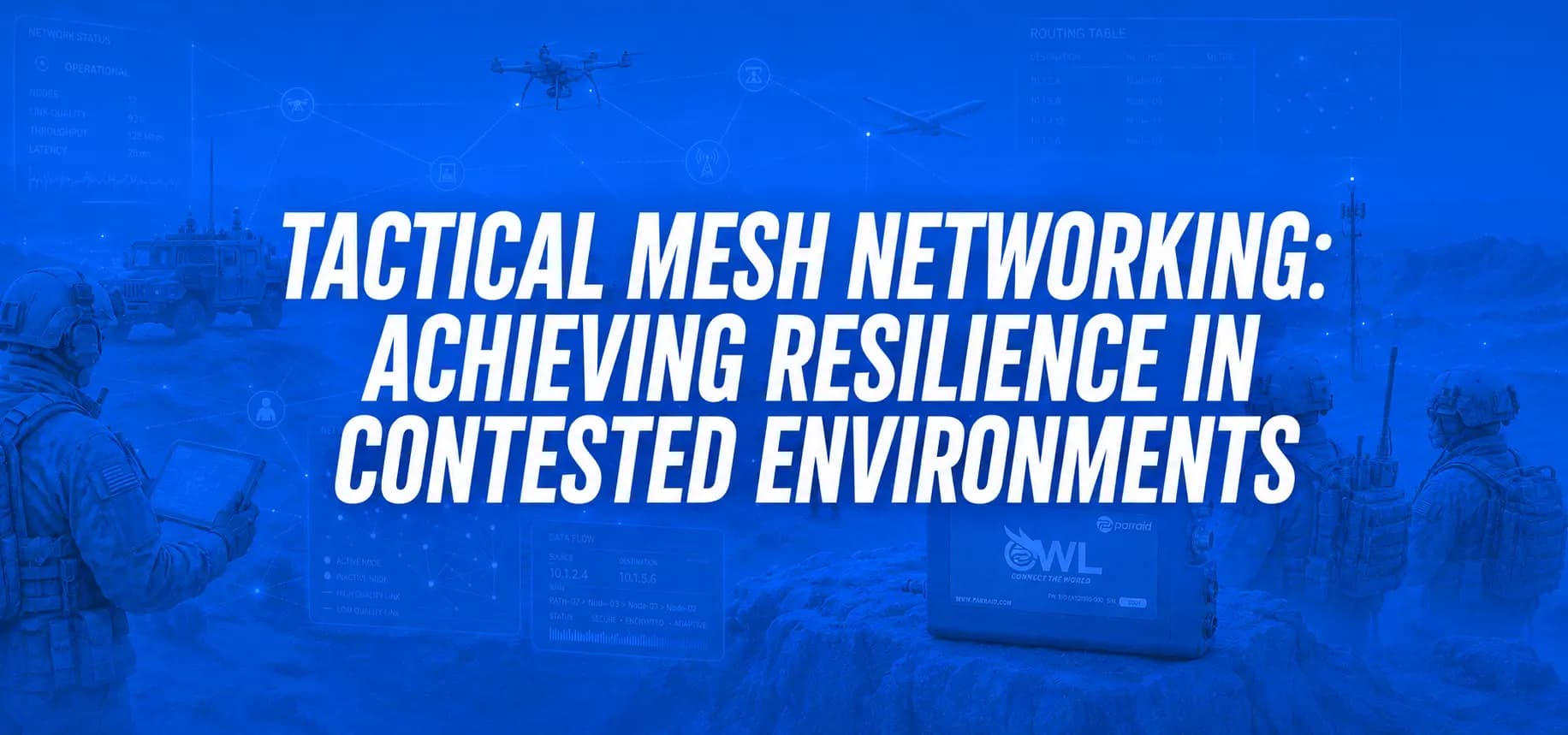
Traditional military communications networks are hierarchical: units communicate up the chain of command through a series of relay nodes, and if any node fails, the entire branch of the network below that node loses communications. In low-intensity environments against unsophisticated adversaries, this architecture may be adequate. Against peer and near-peer adversaries with sophisticated electronic warfare and precision strike capabilities, it is dangerously fragile. Tactical mesh networking offers an alternative architecture that is fundamentally more resilient to both electronic and kinetic attack.
A mesh network is one in which every node can communicate directly with every other node within RF range, and can also relay traffic on behalf of nodes that are not within direct range. Unlike a hierarchical network, a mesh network has no single points of failure, if any node is destroyed or jammed, the remaining nodes automatically route around the gap using alternative paths. This self-healing capability is the key attribute that makes mesh networking attractive for contested environments where node losses must be assumed.
Implementing mesh networking in a tactical environment involves significant technical challenges. Radio spectrum is limited, and supporting multi-hop routing across a large mesh network requires efficient use of the available bandwidth. Routing protocols must be able to adapt quickly to topology changes, nodes joining and leaving the network as units move or are engaged without generating excessive overhead traffic that consumes bandwidth needed for actual communications. And the system must work with the mix of radio equipment that tactical forces carry, not just hypothetical next-generation systems.
Parraid's Network Radio Gateway (NRG) supports tactical mesh networking by providing IP connectivity for legacy radio systems that would otherwise be unable to participate in a mesh network. By bridging conventional tactical radios to the IP mesh network, the NRG enables existing radio equipment to participate in mesh operations without hardware replacement. This integration capability is critical for near-term tactical mesh deployments, where the installed base of legacy radio equipment must be accommodated.
The resilience of a tactical mesh network is directly related to the density of its nodes, more nodes mean more alternative paths and greater ability to route around failures. The NRG rack-mount deployable systems support rapid deployment of additional network nodes, enabling commanders to increase mesh network density in advance of expected operations or to quickly restore density after node losses. The compact, ruggedized design of these systems makes deployment straightforward even in challenging field environments.
As adversary capabilities to threaten communications infrastructure continue to improve, the transition from hierarchical to mesh network architectures will accelerate. Programs that invest now in understanding mesh networking concepts and acquiring systems capable of operating in mesh environments will be better positioned for the communications challenges of future conflicts. Parraid's OWL solution provides the automated network management that mesh operations require. Explore Parraid's deployable communications portfolio to understand how these solutions prepare organizations for the communications challenges ahead.
Powering secure, real-time data transmission across land, sea, and sky.
Dive into our blog for the latest trends, tips, and insights in the world of design and AI technology. Whether you’re looking for inspiration, tutorials, or industry news, our articles are crafted to keep you informed and inspired.

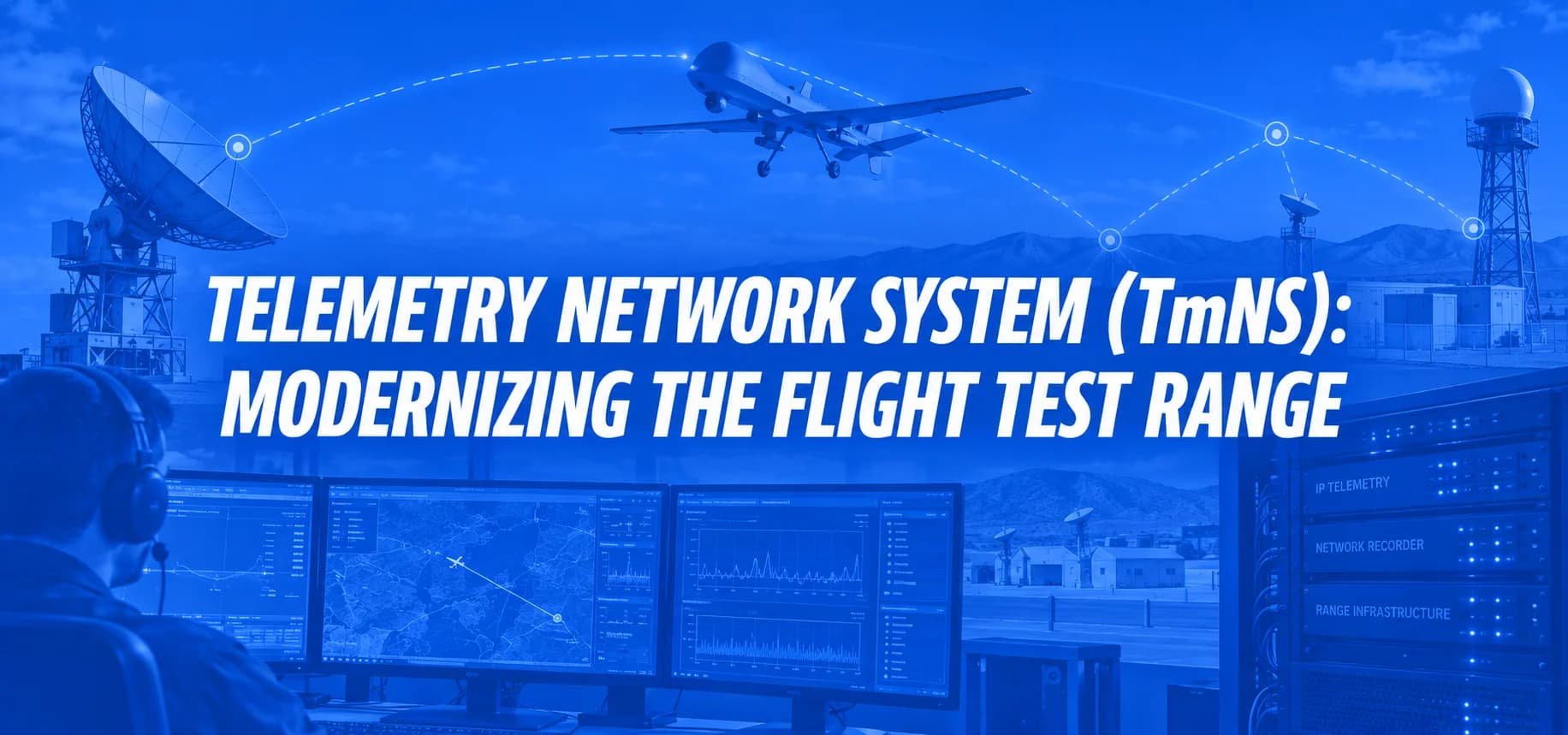

Parraid provides tactical communications solutions, telemetry data systems, and deployable communication products that support mission-critical operations around the globe. Below are some of the most common questions about our technology, services, and support.
Parraid works with aerospace, defense, government, and research organizations that depend on real-time data and secure communications. Our products are engineered to meet the unique operational needs of mission-critical and tactical environments.
Our telemetry data systems enable accurate data acquisition, recording, and playback across test ranges and aerospace applications. With IRIG-106 compliance and TMoIP support, we deliver precise insights for faster mission validation and system performance analysis.
Parraid’s tactical communications solutions are designed for interoperability and resilience. They integrate seamlessly with multi-band radios, SATCOM, and IP-based networks to maintain command, control, and situational awareness in any field condition.
Yes. Our deployable communication products are lightweight, ruggedized, and MIL-STD compliant, ideal for rapid setup and sustained connectivity in mobile or remote missions.
Absolutely. We work closely with our customers to design and configure systems tailored to their operational goals. Whether upgrading existing telemetry infrastructure or developing a fully deployable communication suite, we ensure seamless integration and lifecycle support.
All Parraid systems are designed, built, and supported in the United States. Our team of engineers and specialists provides continuous technical support to ensure mission reliability and customer success.
Connect With Our Team
All Parraid systems are designed, built, and supported in the United States. Our team of engineers and specialists provides continuous technical support to ensure mission reliability and customer success.
Powering secure, real-time data transmission across land, sea, and sky.

Parraid delivers mission-critical telemetry and tactical communications solutions designed to perform when failure is not an option.