Email : sales@parraid.com
Call Us : +1 (301) 690-0690

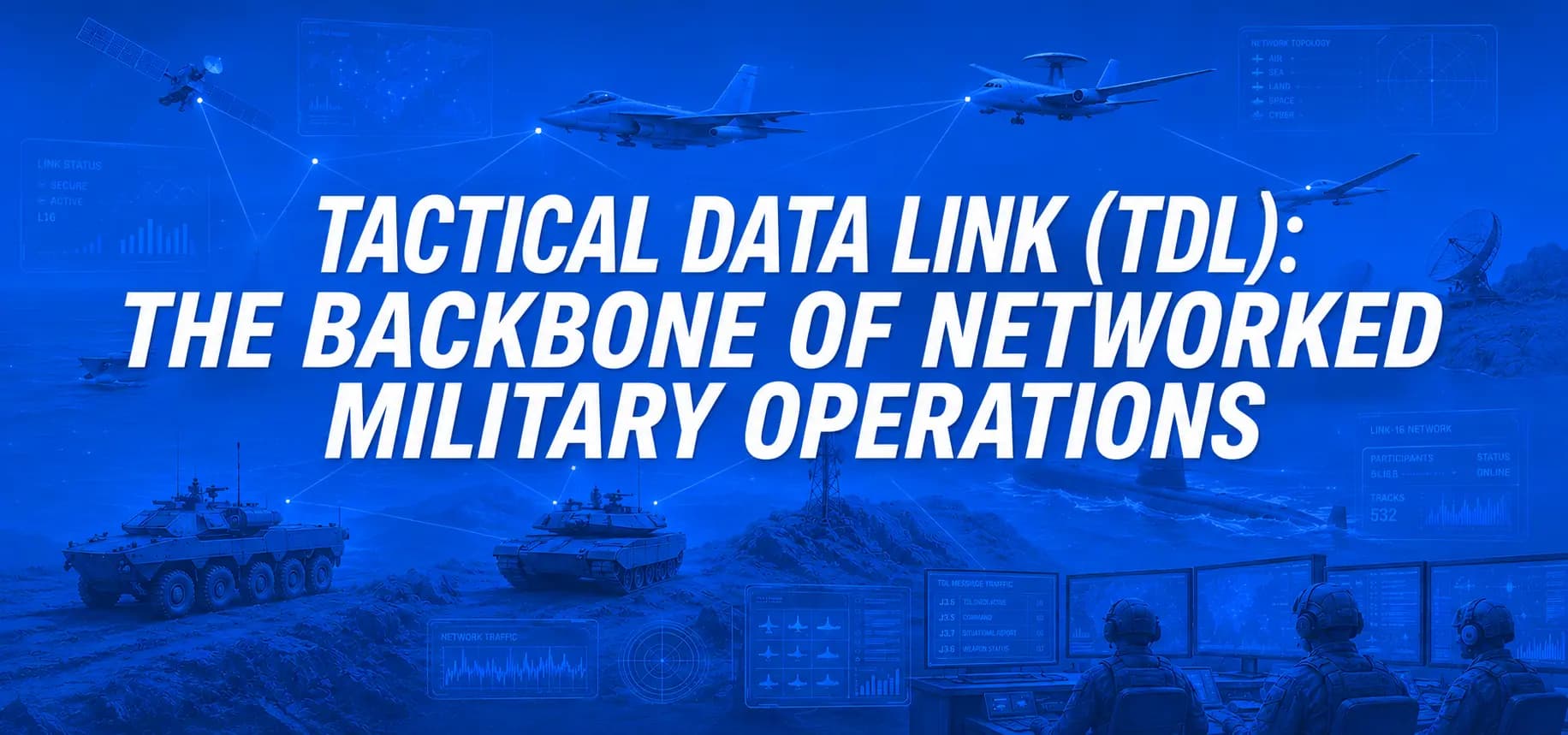
Tactical data links have been transforming military operations for decades, enabling aircraft, ships, ground vehicles, and command centers to share targeting data, track friendly and hostile forces, and coordinate actions with a speed and accuracy that voice radio communications alone could never achieve. From the venerable Link 16, which has connected U.S. and allied forces since the 1970s, to the newer MADL and TTNT waveforms that serve fifth-generation fighters, tactical data links are the digital nervous system of the modern joint force. Understanding how they work and how they integrate with broader communications architectures is essential for anyone designing or operating networked military systems.
A tactical data link (TDL) is a communications system that enables military platforms to exchange digital data, position reports, track data, targeting information, status information, and tactical commands in a standardized, machine-readable format. Unlike voice communications, where information must be interpreted by a human before it can be acted upon, TDL data can be directly ingested by weapons systems, targeting computers, and command and control displays, enabling faster response times and reducing the cognitive burden on operators.
Link 16 remains the most widely deployed tactical data link in the U.S. military and allied forces. Operating in the UHF frequency band using a time division multiple access (TDMA) protocol, Link 16 provides position and identity reports, free-text messaging, voice over the data link, and a range of mission-specific message types that support air, ground, and maritime operations. Its importance to joint operations means that virtually any new platform or system that needs to participate in joint operations must support Link 16 connectivity.
As adversary electronic warfare capabilities have improved, the limitations of legacy TDLs have become more apparent. Link 16's relatively low data rate, susceptibility to jamming, and lack of support for beyond-line-of-sight operations have driven the development of newer waveforms including MADL for stealth aircraft, TTNT for high-bandwidth applications, and the emerging CDL variants for ISR missions. The challenge for communications architects is integrating these new TDL capabilities with legacy systems while providing a coherent operational picture.
Tactical data links require an underlying communications infrastructure to connect the TDL terminals, gateways, and processing nodes that make up the operational TDL network. This infrastructure must provide high reliability, low latency, and security appropriate for the classification level of the data being exchanged. Parraid's NRG and deployable communications solutions support this infrastructure requirement by providing IP transport and radio bridging capabilities that can carry TDL traffic across the tactical network.
Perhaps the greatest challenge in TDL operations is achieving true interoperability across the joint force and with coalition partners, each of whom may use different TDL systems, different security configurations, and different operational procedures. Addressing this challenge requires both technical solutions, gateways and protocol converters that bridge different TDL systems and operational standardization, common procedures and training that ensure all users can effectively share and act on TDL data. Parraid's radio gateway solutions support cross-domain TDL interoperability. Explore Parraid's deployable communications portfolio to learn more.
Powering secure, real-time data transmission across land, sea, and sky.
Dive into our blog for the latest trends, tips, and insights in the world of design and AI technology. Whether you’re looking for inspiration, tutorials, or industry news, our articles are crafted to keep you informed and inspired.
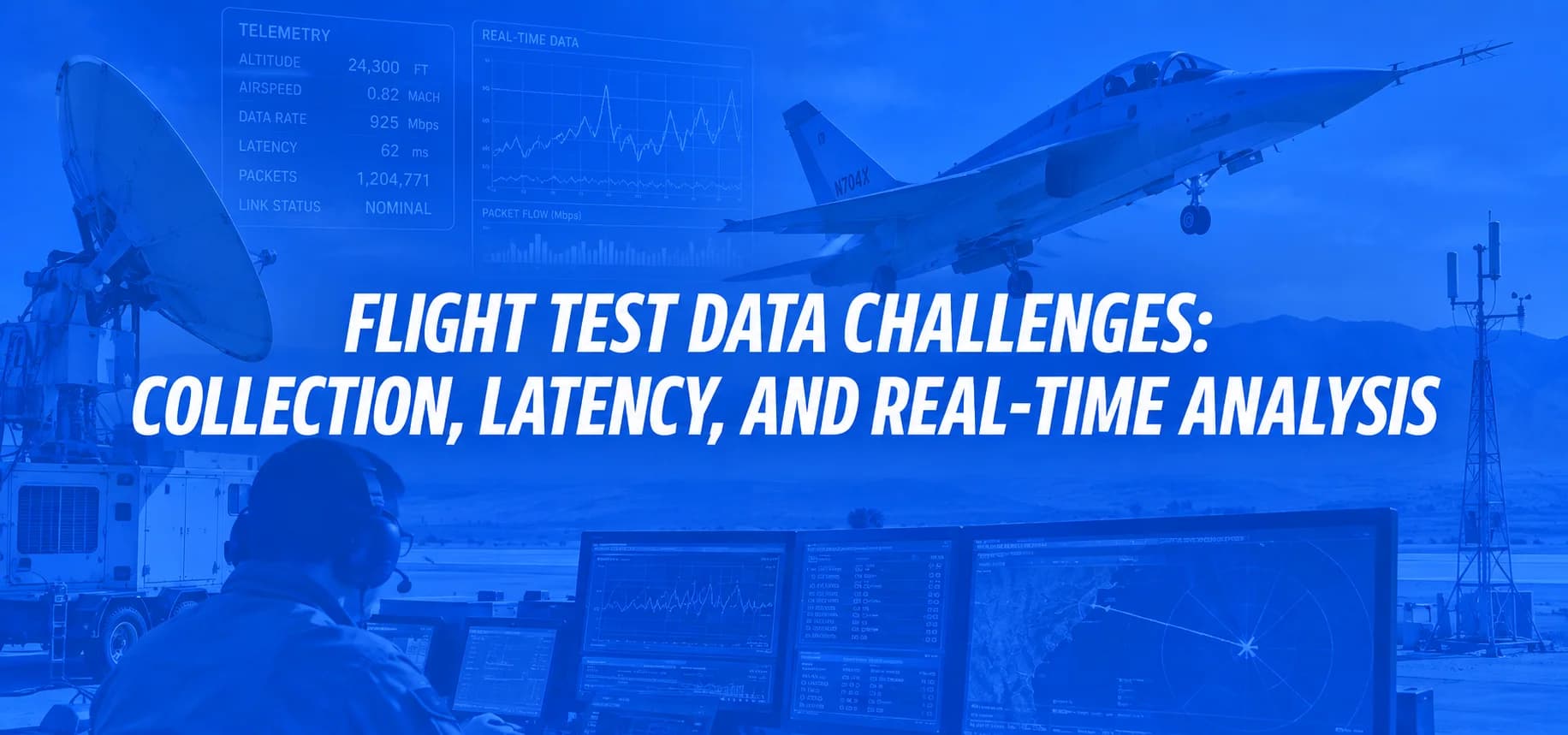
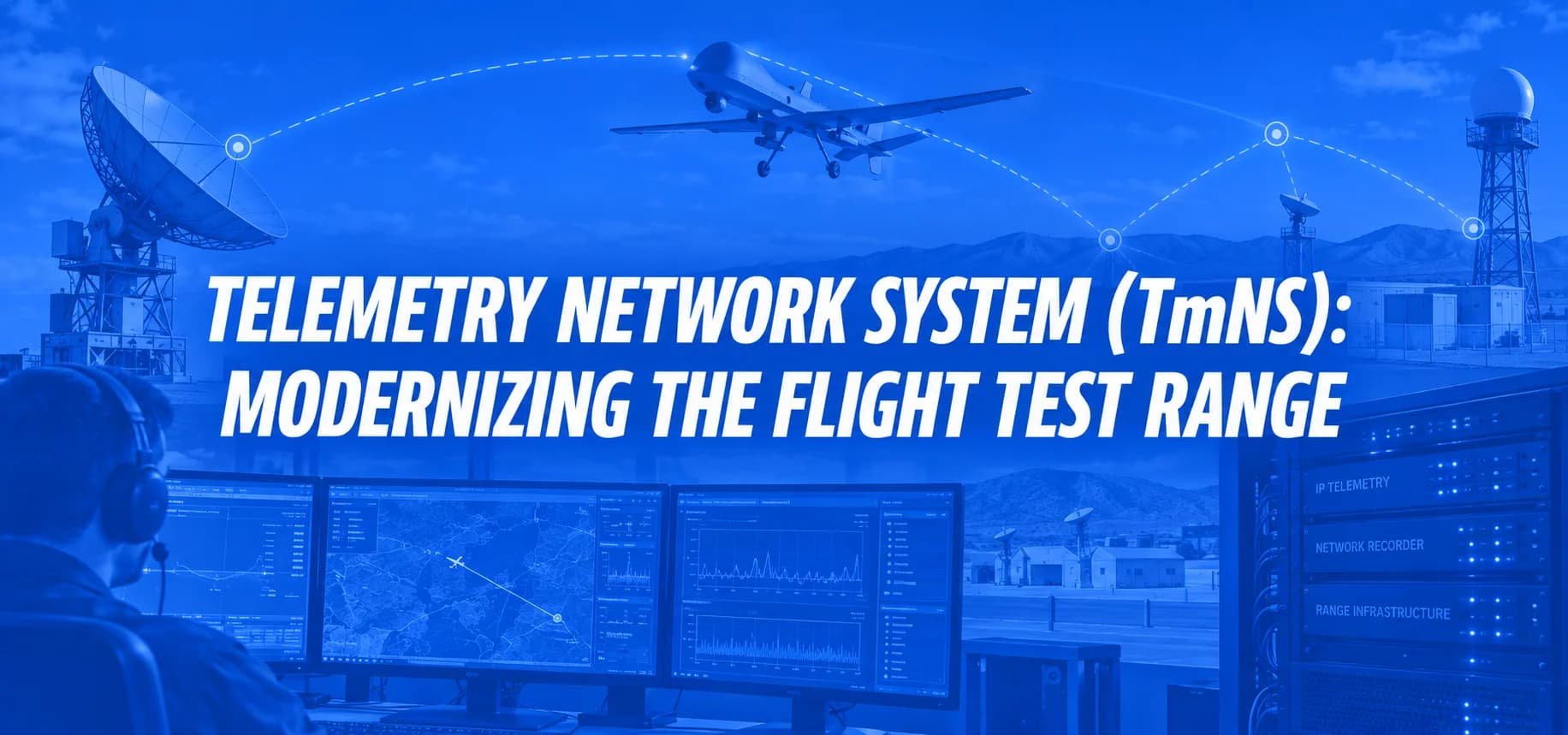

Parraid provides tactical communications solutions, telemetry data systems, and deployable communication products that support mission-critical operations around the globe. Below are some of the most common questions about our technology, services, and support.
Parraid works with aerospace, defense, government, and research organizations that depend on real-time data and secure communications. Our products are engineered to meet the unique operational needs of mission-critical and tactical environments.
Our telemetry data systems enable accurate data acquisition, recording, and playback across test ranges and aerospace applications. With IRIG-106 compliance and TMoIP support, we deliver precise insights for faster mission validation and system performance analysis.
Parraid’s tactical communications solutions are designed for interoperability and resilience. They integrate seamlessly with multi-band radios, SATCOM, and IP-based networks to maintain command, control, and situational awareness in any field condition.
Yes. Our deployable communication products are lightweight, ruggedized, and MIL-STD compliant, ideal for rapid setup and sustained connectivity in mobile or remote missions.
Absolutely. We work closely with our customers to design and configure systems tailored to their operational goals. Whether upgrading existing telemetry infrastructure or developing a fully deployable communication suite, we ensure seamless integration and lifecycle support.
All Parraid systems are designed, built, and supported in the United States. Our team of engineers and specialists provides continuous technical support to ensure mission reliability and customer success.
Connect With Our Team
All Parraid systems are designed, built, and supported in the United States. Our team of engineers and specialists provides continuous technical support to ensure mission reliability and customer success.
Powering secure, real-time data transmission across land, sea, and sky.

Parraid delivers mission-critical telemetry and tactical communications solutions designed to perform when failure is not an option.