Email : sales@parraid.com
Call Us : +1 (301) 690-0690

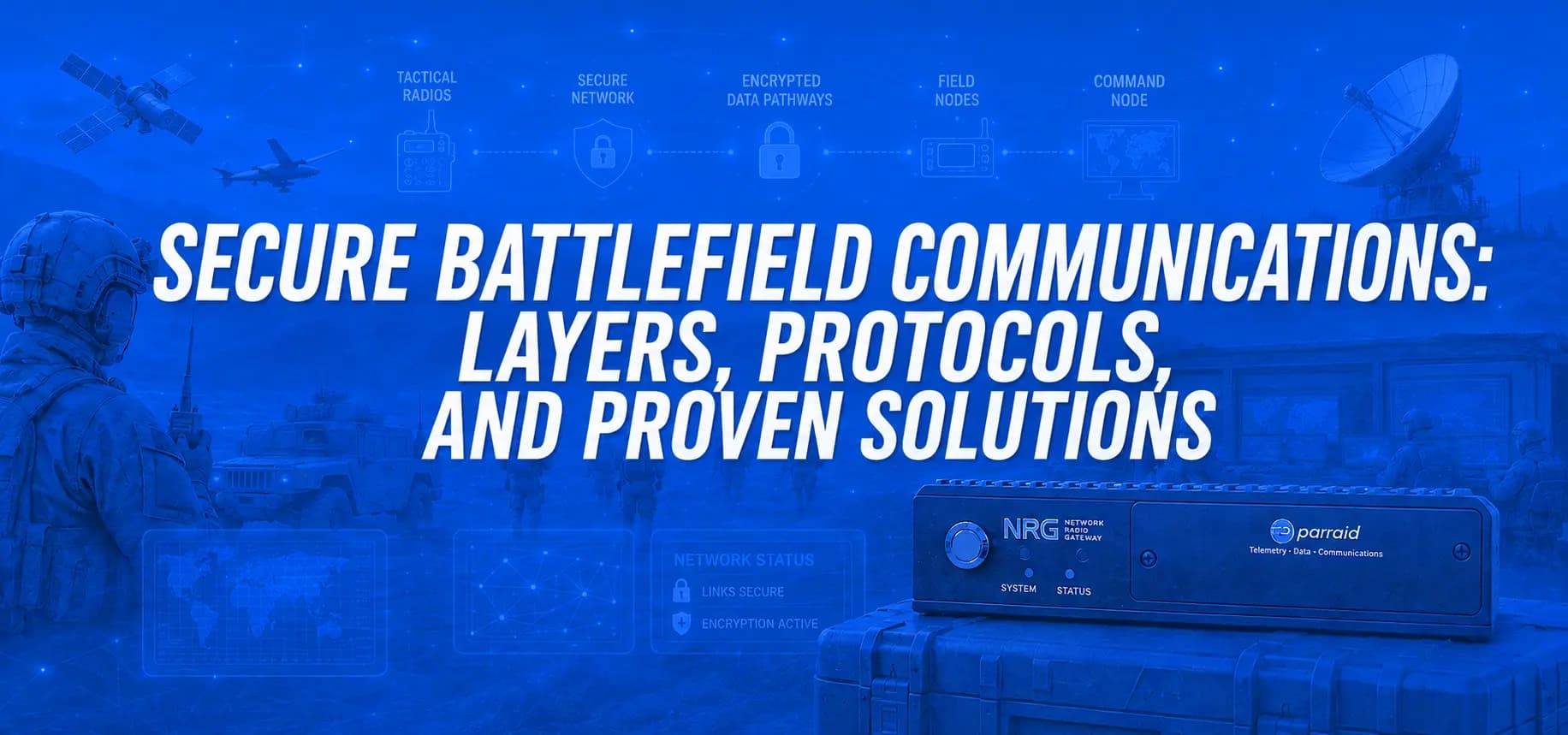
Secure communications on the modern battlefield is not simply a matter of encrypting voice traffic. The threat environment faced by military communications systems today encompasses electronic warfare systems capable of detecting, jamming, and spoofing tactical radio signals, cyberattack capabilities that target network infrastructure, and adversary signals intelligence organizations that analyze traffic patterns even when content is encrypted. Achieving secure battlefield communications in this environment requires a layered approach that addresses threats at every level of the communications stack, from the physical RF layer to the application layer.
Military communications face threats across multiple dimensions. At the RF layer, jamming systems attempt to overpower legitimate signals with noise, while more sophisticated electronic attack systems attempt to deceive receivers with spoofed signals. At the network layer, adversaries probe for vulnerabilities in routing protocols and attempt to inject false routing information. At the application layer, sophisticated adversaries monitor traffic patterns to infer operational activity even from encrypted communications. Addressing all of these threats requires communications systems designed with security as a first-order requirement, not an afterthought.
Encryption is the foundation of secure battlefield communications, protecting the content of communications from interception. But encryption alone is insufficient, the key management systems that distribute and maintain encryption keys must also be secure, and the communications systems themselves must be designed to handle encrypted traffic transparently without creating vulnerabilities through side-channel leakage or improper key handling. Parraid's Network Radio Gateway (NRG) is designed with these requirements in mind, supporting integration with approved encryption systems for military applications.
Modern tactical communications systems increasingly incorporate features designed to make them difficult to detect and jam. Frequency hopping, spread spectrum techniques, and power management can dramatically reduce the susceptibility of tactical radio communications to electronic attacks. The NRG deployable systems support integration with anti-jam waveforms and can be configured to operate with the power and frequency characteristics needed to minimize electronic signature.
Secure communications architectures must be resilient and capable of maintaining communications even after individual nodes or links are attacked or destroyed. Resilience requires redundant communications paths, dynamic rerouting capabilities that can bypass failed segments, and the ability to rapidly restore connectivity after disruption. The OWL solution contributes to network resilience by automating the configuration management functions that enable dynamic adaptation to network topology changes.
Technical security measures alone are insufficient if operational security is not maintained. Communications discipline, transmitting only what is necessary, when necessary, at the minimum power required and is as important as the technical capabilities of the communications equipment. Training and doctrine that reinforce communications discipline must accompany the deployment of secure communications equipment. Parraid's solutions are designed to support operational security requirements while maintaining the ease of use needed for effective tactical communications. Explore Parraid's deployable communications solutions to learn more.
Powering secure, real-time data transmission across land, sea, and sky.
Dive into our blog for the latest trends, tips, and insights in the world of design and AI technology. Whether you’re looking for inspiration, tutorials, or industry news, our articles are crafted to keep you informed and inspired.

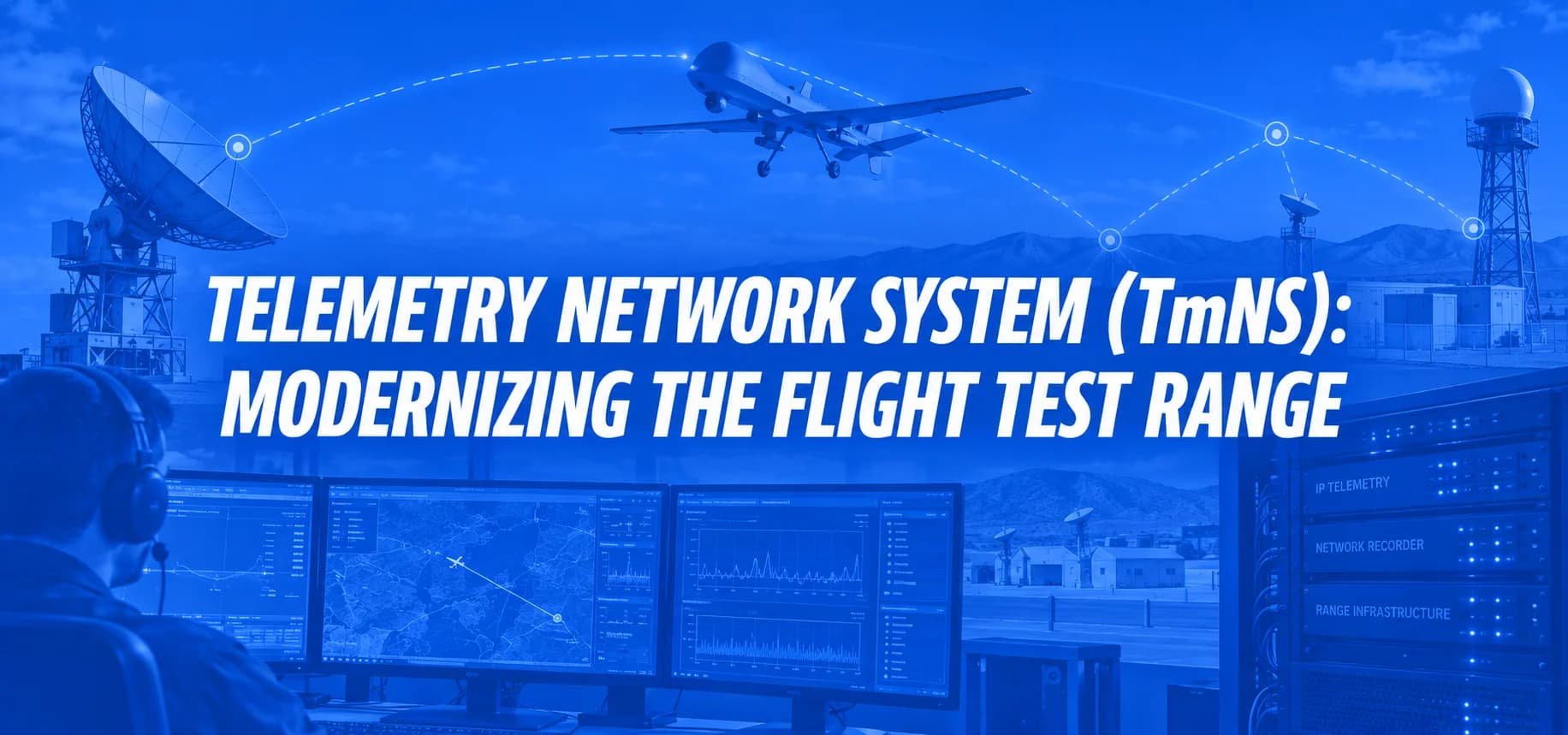

Parraid provides tactical communications solutions, telemetry data systems, and deployable communication products that support mission-critical operations around the globe. Below are some of the most common questions about our technology, services, and support.
Parraid works with aerospace, defense, government, and research organizations that depend on real-time data and secure communications. Our products are engineered to meet the unique operational needs of mission-critical and tactical environments.
Our telemetry data systems enable accurate data acquisition, recording, and playback across test ranges and aerospace applications. With IRIG-106 compliance and TMoIP support, we deliver precise insights for faster mission validation and system performance analysis.
Parraid’s tactical communications solutions are designed for interoperability and resilience. They integrate seamlessly with multi-band radios, SATCOM, and IP-based networks to maintain command, control, and situational awareness in any field condition.
Yes. Our deployable communication products are lightweight, ruggedized, and MIL-STD compliant, ideal for rapid setup and sustained connectivity in mobile or remote missions.
Absolutely. We work closely with our customers to design and configure systems tailored to their operational goals. Whether upgrading existing telemetry infrastructure or developing a fully deployable communication suite, we ensure seamless integration and lifecycle support.
All Parraid systems are designed, built, and supported in the United States. Our team of engineers and specialists provides continuous technical support to ensure mission reliability and customer success.
Connect With Our Team
All Parraid systems are designed, built, and supported in the United States. Our team of engineers and specialists provides continuous technical support to ensure mission reliability and customer success.
Powering secure, real-time data transmission across land, sea, and sky.

Parraid delivers mission-critical telemetry and tactical communications solutions designed to perform when failure is not an option.