Email : sales@parraid.com
Call Us : +1 (301) 690-0690

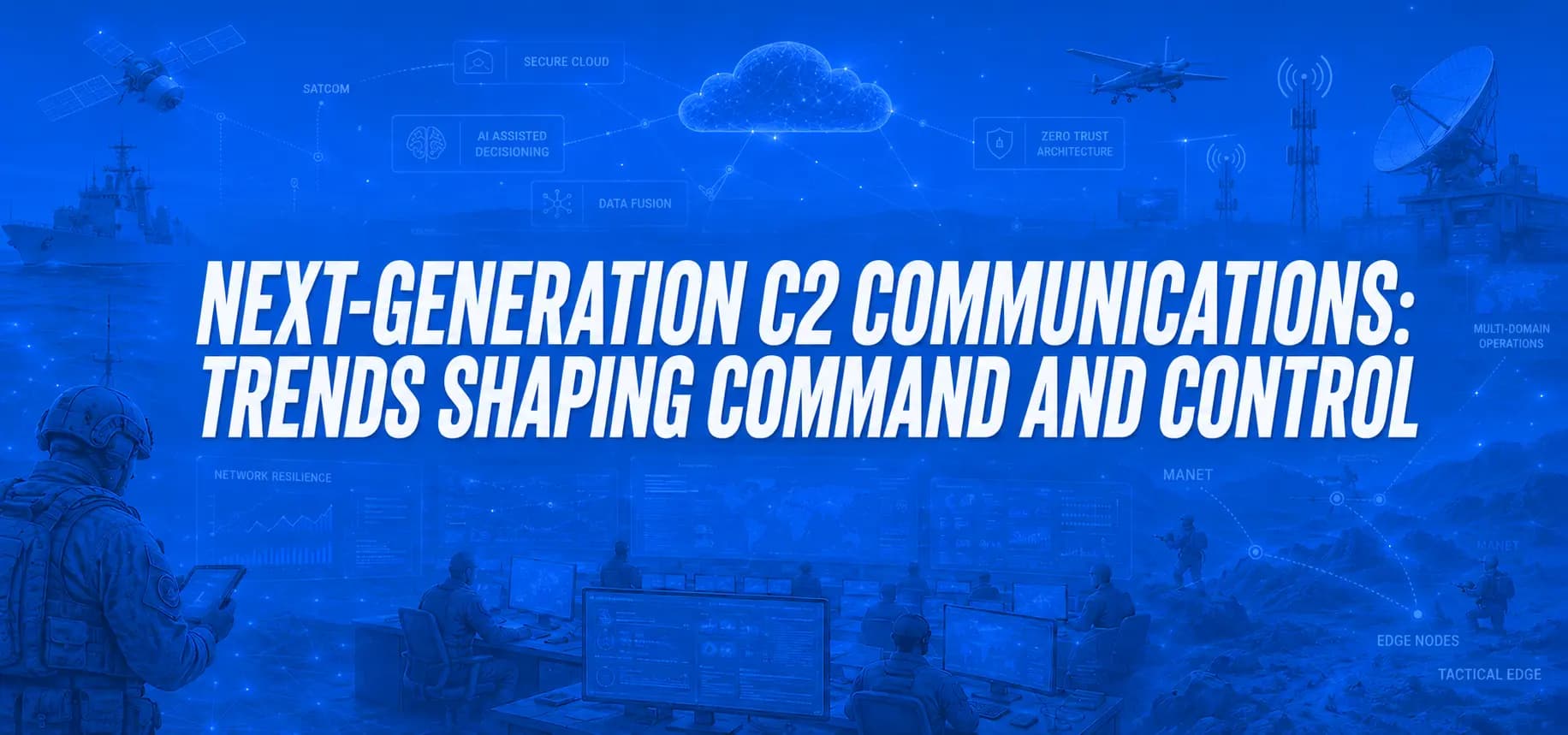
Command and control communications are undergoing the most significant transformation in a generation. The convergence of commercial cloud computing, artificial intelligence, advanced networking technologies, and new radio waveforms is creating capabilities that would have seemed impossible just a decade ago and are placing new demands on the communications infrastructure that delivers these capabilities to tactical users. Understanding the trends shaping next-generation C2 communications is essential for defense organizations planning their communications investments for the next decade.
In the past, traditional command and control heavily relied on voice transmissions from point to point for passage of commands and for situational awareness. As digital systems came on-line through systems such as FBCB2, AFATDS and CPCE, alot of that was moved to terrestrial RF networks. But data systems and voice systems cannot be on the same channels. Because of this, RF networks had to be duplicated, radios doubled or new mesh systems inserted. The effects of jamming, terrain and poor network creation have limited widespread acceptance. Reliable data delivery has been a pipe-dream.
Cloud computing is transforming command and control architecture, moving decision support systems and information repositories from purpose-built hardware at fixed command posts to distributed cloud infrastructure that can be accessed from anywhere with network connectivity. This cloud-based approach enables commanders to access C2 systems from forward locations that previously lacked the infrastructure to host them, and enables rapid reconstitution of C2 capability after disruption. The communications infrastructure must evolve to support reliable, low-latency connectivity between tactical users and cloud-hosted C2 systems.
Artificial intelligence is beginning to play a significant role in combat operations, providing automated analysis of sensor data, early detection of network interference or jamming, predictive logistics modeling, and decision support tools that help commanders manage the cognitive demands of modern operations. As AI systems mature, they will increasingly handle routine information processing tasks that currently consume staff officer time, freeing commanders to focus on higher-order decision-making. The communications infrastructure must support the data flows required by AI systems, both the sensor data inputs and the decision support outputs.
All of these C2 trends require reliable IP connectivity that extends from the highest echelons of command to the most forward tactical elements. Parraid's NRG and OWL solutions provides the radio gateway and IP network management capabilities that bridge the gap between the digital C2 architecture and the tactical radio systems that forward forces rely on. The deployable communications solutions ensure that these capabilities are available wherever the mission requires.
Defense organizations that wait until next-generation C2 systems are fully developed and fielded before beginning their communications infrastructure planning will find themselves behind the curve. The investments required to support next-generation C2, network modernization, IP-based radio gateway deployment, and network management automation all take time to implement and require careful planning. Contact Parraid to discuss how to position your communications infrastructure for the next generation of C2 systems.
Powering secure, real-time data transmission across land, sea, and sky.
Dive into our blog for the latest trends, tips, and insights in the world of design and AI technology. Whether you’re looking for inspiration, tutorials, or industry news, our articles are crafted to keep you informed and inspired.

Parraid provides tactical communications solutions, telemetry data systems, and deployable communication products that support mission-critical operations around the globe. Below are some of the most common questions about our technology, services, and support.
Parraid works with aerospace, defense, government, and research organizations that depend on real-time data and secure communications. Our products are engineered to meet the unique operational needs of mission-critical and tactical environments.
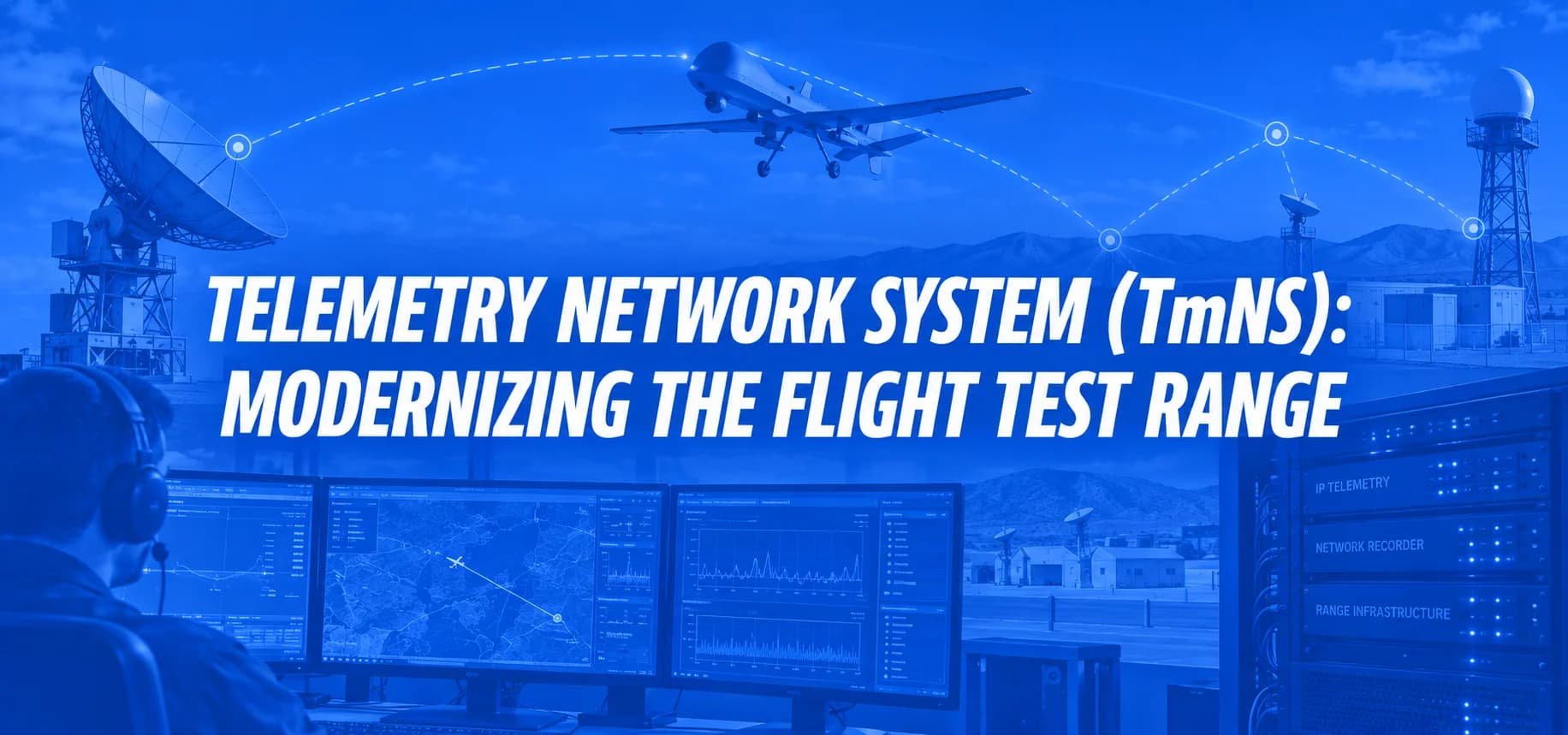
Our telemetry data systems enable accurate data acquisition, recording, and playback across test ranges and aerospace applications. With IRIG-106 compliance and TMoIP support, we deliver precise insights for faster mission validation and system performance analysis.
Parraid’s tactical communications solutions are designed for interoperability and resilience. They integrate seamlessly with multi-band radios, SATCOM, and IP-based networks to maintain command, control, and situational awareness in any field condition.
Yes. Our deployable communication products are lightweight, ruggedized, and MIL-STD compliant, ideal for rapid setup and sustained connectivity in mobile or remote missions.
Absolutely. We work closely with our customers to design and configure systems tailored to their operational goals. Whether upgrading existing telemetry infrastructure or developing a fully deployable communication suite, we ensure seamless integration and lifecycle support.
All Parraid systems are designed, built, and supported in the United States. Our team of engineers and specialists provides continuous technical support to ensure mission reliability and customer success.
Connect With Our Team
All Parraid systems are designed, built, and supported in the United States. Our team of engineers and specialists provides continuous technical support to ensure mission reliability and customer success.
Powering secure, real-time data transmission across land, sea, and sky.

Parraid delivers mission-critical telemetry and tactical communications solutions designed to perform when failure is not an option.