Email : sales@parraid.com
Call Us : +1 (301) 690-0690


The future fight won’t wait. In a contested, multi-domain environment where milliseconds matter, the Department of Defense’s push for Joint All-Domain Command and Control (JADC2) is more than just a modernization effort – it’s an operational imperative.
JADC2 aims to fuse sensors, platforms, and operators across all services into a single, resilient C2 architecture capable of delivering real-time data to enable decision superiority at every echelon of command.
The traditional stovepipes between service components are operationally untenable in today’s threat landscape. JADC2 is designed to break these barriers, enabling integrated fires and maneuver across land, sea, air, space, and cyberspace. It connects joint and coalition forces via interoperable systems that move data at the speed of relevance.
Whether it’s Army’s Project Convergence, the Air Force’s Advanced Battle Management System (ABMS), or the Navy’s Project Overmatch, the end goal is the same: seamless, synchronized, multi-domain operations powered by shared, actionable intelligence.
JADC2 transforms the kill chain into a kill web disaggregated, distributed, and resilient. A space‒based sensor can queue an airborne platform, which can transmit targeting data to a naval asset, while a ground-based operator executes the engagement – all within a single C2 ecosystem.
For commanders and operators, that translates into:
Compressed decision cycles through AI/ML-enabled data fusion and analytics.
Improved battlespace awareness with real-time, cloud-based COPs.
Dynamic tasking and re‒tasking of assets based on the evolving operational picture.
Decentralized execution enabled by trusted autonomy and intelligent systems.
The backbone of JADC2 includes:
5G and tactical mesh networks for robust, low-latency comms in denied environments.
Edge computing enables real-time processing at the tactical edge.
Cloud-native architectures for scalability and accessibility.
Zero trust cybersecurity frameworks to safeguard data across domains.
AI-driven decision support tools to enhance C2 throughput and tempo
One of the most critical challenges JADC2 faces is the integration of legacy systems with emerging tech while ensuring joint and allied interoperability. The goal is not uniformity but convergence -a layered, adaptable C2 environment that allows heterogeneous systems to collaborate effectively.
Additionally, acquisition models must evolve to support rapid prototyping, DevSecOps, and spiral development, enabling warfighters to field capabilities at the pace of innovation.
At its core, JADC2 is about preserving deterrence through decision dominance. In a peer conflict, the side that senses, decides, and acts faster will hold the initiative. JADC2 enables that agility-giving U.S. and allied forces the ability to fight jointly, think digitally, and act decisively.
JADC2 is not a program, it’s a transformation. It’s about aligning doctrine, technology, and organization to outpace any adversary in any domain. For warfighters, acquisition professionals, and defense technologists, the path forward is clear: interconnect, integrate, and innovate.
JADC2 is more than a vision-it’s an operational necessity in an era defined by speed, complexity, and convergence. The battlespace is no longer constrained by geography or domain; it is fluid, data-saturated, and increasingly contested. To maintain overmatch, the U.S. and its allies must out-think, out-decide, and out-maneuver any adversary at machine speed.
For defense professionals across acquisition, strategy, operations, and technology, this transformation requires not just new tools, but new mindsets. It demands collaborative development, cross-service interoperability, and a relentless focus on fielding capabilities that are agile, scalable, and mission-ready.
JADC2 is not about preparing for the wars of the past, it’s about winning the conflicts of tomorrow. And that future is already arriving.
Powering secure, real-time data transmission across land, sea, and sky.
Dive into our blog for the latest trends, tips, and insights in the world of design and AI technology. Whether you’re looking for inspiration, tutorials, or industry news, our articles are crafted to keep you informed and inspired.
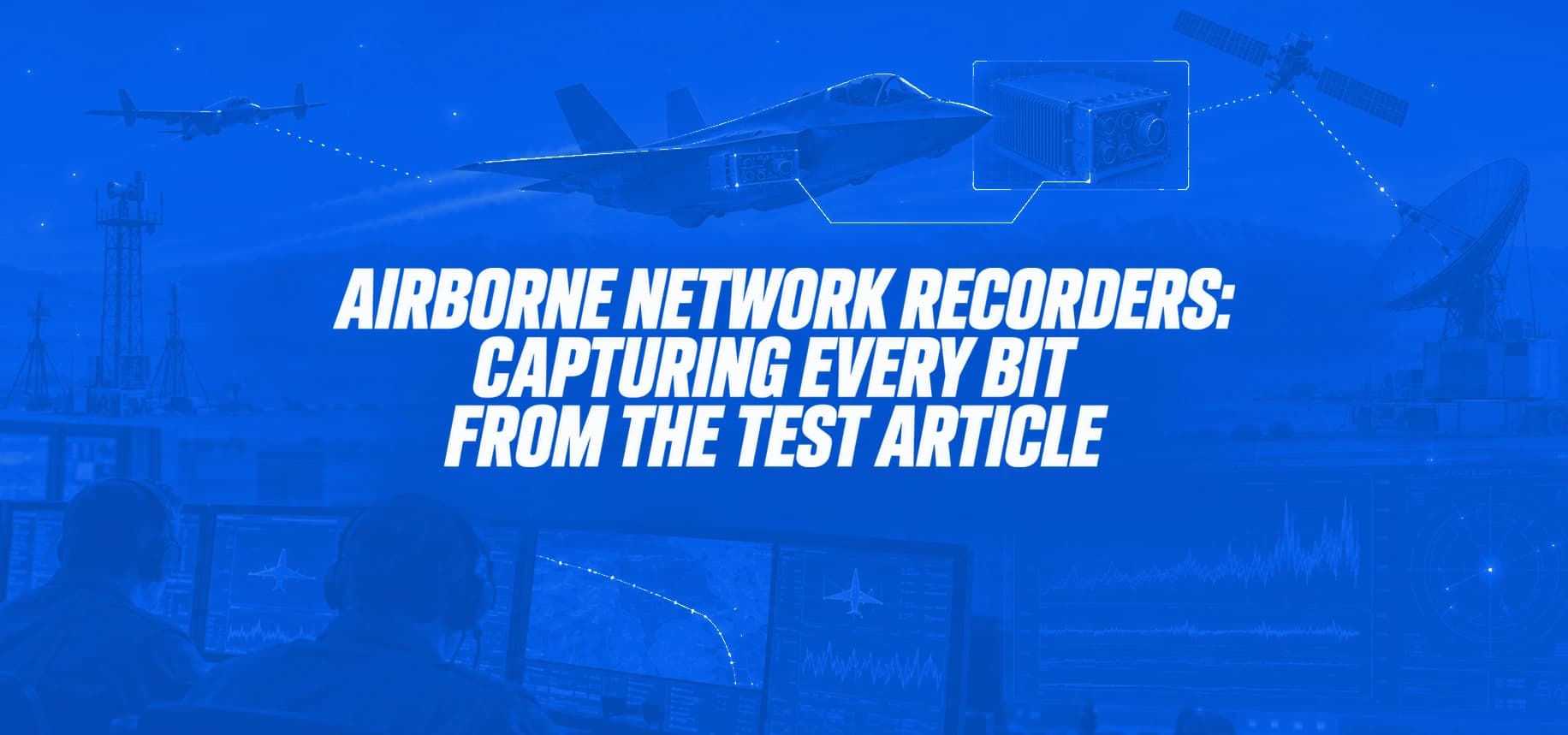

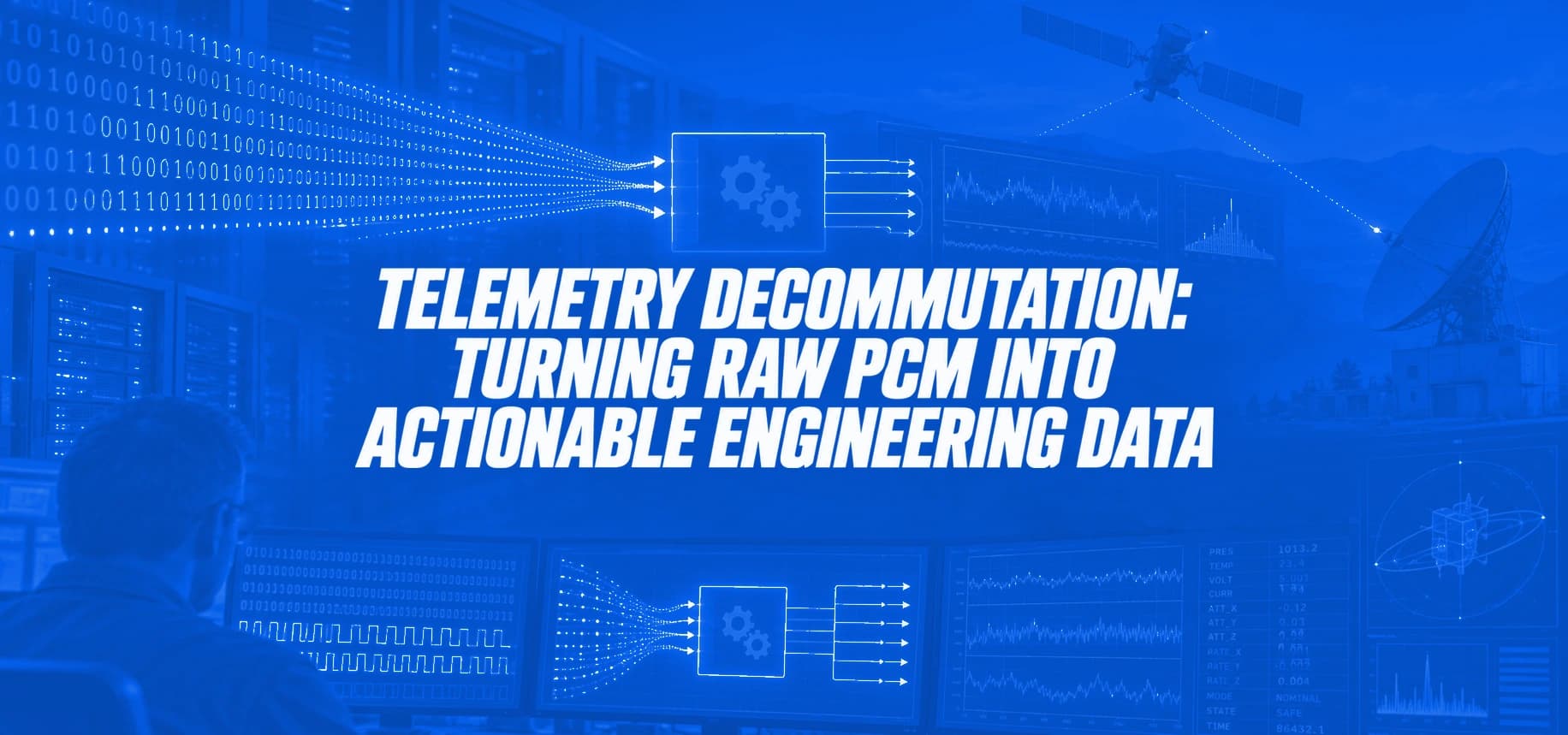
Parraid provides tactical communications solutions, telemetry data systems, and deployable communication products that support mission-critical operations around the globe. Below are some of the most common questions about our technology, services, and support.
Parraid works with aerospace, defense, government, and research organizations that depend on real-time data and secure communications. Our products are engineered to meet the unique operational needs of mission-critical and tactical environments.
Our telemetry data systems enable accurate data acquisition, recording, and playback across test ranges and aerospace applications. With IRIG-106 compliance and TMoIP support, we deliver precise insights for faster mission validation and system performance analysis.
Parraid’s tactical communications solutions are designed for interoperability and resilience. They integrate seamlessly with multi-band radios, SATCOM, and IP-based networks to maintain command, control, and situational awareness in any field condition.
Yes. Our deployable communication products are lightweight, ruggedized, and MIL-STD compliant, ideal for rapid setup and sustained connectivity in mobile or remote missions.
Absolutely. We work closely with our customers to design and configure systems tailored to their operational goals. Whether upgrading existing telemetry infrastructure or developing a fully deployable communication suite, we ensure seamless integration and lifecycle support.
All Parraid systems are designed, built, and supported in the United States. Our team of engineers and specialists provides continuous technical support to ensure mission reliability and customer success.
Connect With Our Team
All Parraid systems are designed, built, and supported in the United States. Our team of engineers and specialists provides continuous technical support to ensure mission reliability and customer success.
Powering secure, real-time data transmission across land, sea, and sky.

Parraid delivers mission-critical telemetry and tactical communications solutions designed to perform when failure is not an option.