Email : sales@parraid.com
Call Us : +1 (301) 690-0690


As aerospace systems grow more advanced and data-intensive, the telemetry flight test community faces increasing challenges in data acquisition, transmission, and analysis. Traditional telemetry systems, while reliable, often lack the bandwidth and flexibility needed to support today’s complex test scenarios. Enter TmNS—Telemetry Network System—a modern, IP-based solution that is reshaping how flight tests are conducted.
TmNS (Telemetry Network System) is an advanced, standards-based architecture developed to modernize telemetry systems used in flight testing. Unlike conventional point-to-point RF telemetry, TmNS leverages IP-based networking to allow for dynamic routing, higher data throughput, and improved spectrum efficiency. It was developed under the guidance of the Integrated Network Enhanced Telemetry (iNET) program and supported by the RCC (Range Commanders Council).
Modern aircraft and weapon systems generate massive amounts of data—from engine diagnostics to sensor feeds. TmNS supports gigabit-class data rates, enabling engineers to transmit rich telemetry data in real-time, without bottlenecks.
By using standard IP protocols, TmNS allows test teams to dynamically reconfigure networks mid-flight, route data across different nodes, and support multiple users accessing the same data streams simultaneously.
Traditional telemetry consumes large bandwidth slices, often leading to congestion. TmNS introduces more efficient modulation schemes and dynamic spectrum allocation, allowing test ranges to maximize the use of limited RF resources.
TmNS isn’t just about sending data one way. It enables command and control from the ground to the test article, allowing engineers to adjust test parameters in-flight or remotely manage payloads—something not feasible with legacy telemetry systems.
With standardized hardware and protocols, TmNS makes it easier for government and commercial test ranges to share data, systems, and resources, streamlining joint testing efforts and reducing costs.
From small UAVs to full-scale hypersonic vehicles, TmNS is scalable to support a wide range of platforms. Its open-architecture approach ensures future integration of emerging technologies, such as AI-driven analytics and edge computing.
Where milliseconds matter, TmNS provides the low-latency, high-fidelity telemetry needed to validate system performance.
For platforms like the F-35 or B-21, TmNS allows test teams to monitor thousands of parameters in real-time and make rapid adjustments on the fly.
TmNS supports multi-vehicle data management, ideal for unmanned systems flying coordinated missions with high data complexity.
Legacy telemetry systems have served well, but they were not built with today’s data demands in mind. The shift toward network-centric telemetry through TmNS reflects a broader industry trend: using IP-based, software-defined systems to drive smarter, faster, and more efficient testing.
The benefits are not just technical—they’re operational:
Shorter test cycles
Improved data reliability
Better situational awareness
Reduced cost per test hour
The Telemetry Network System (TmNS) represents a significant leap forward for the flight test community. With its ability to handle high-volume data, support real-time control, and adapt to evolving test requirements, TmNS empowers engineers to test smarter, safer, and faster. As aerospace systems become more advanced, TmNS ensures telemetry systems can keep pace.
Ready to modernize your telemetry systems?
Contact us to learn how TmNS can be integrated into your test range or airborne platforms to unlock next-generation flight test capabilities at sales@parraid.com.
Powering secure, real-time data transmission across land, sea, and sky.
Dive into our blog for the latest trends, tips, and insights in the world of design and AI technology. Whether you’re looking for inspiration, tutorials, or industry news, our articles are crafted to keep you informed and inspired.
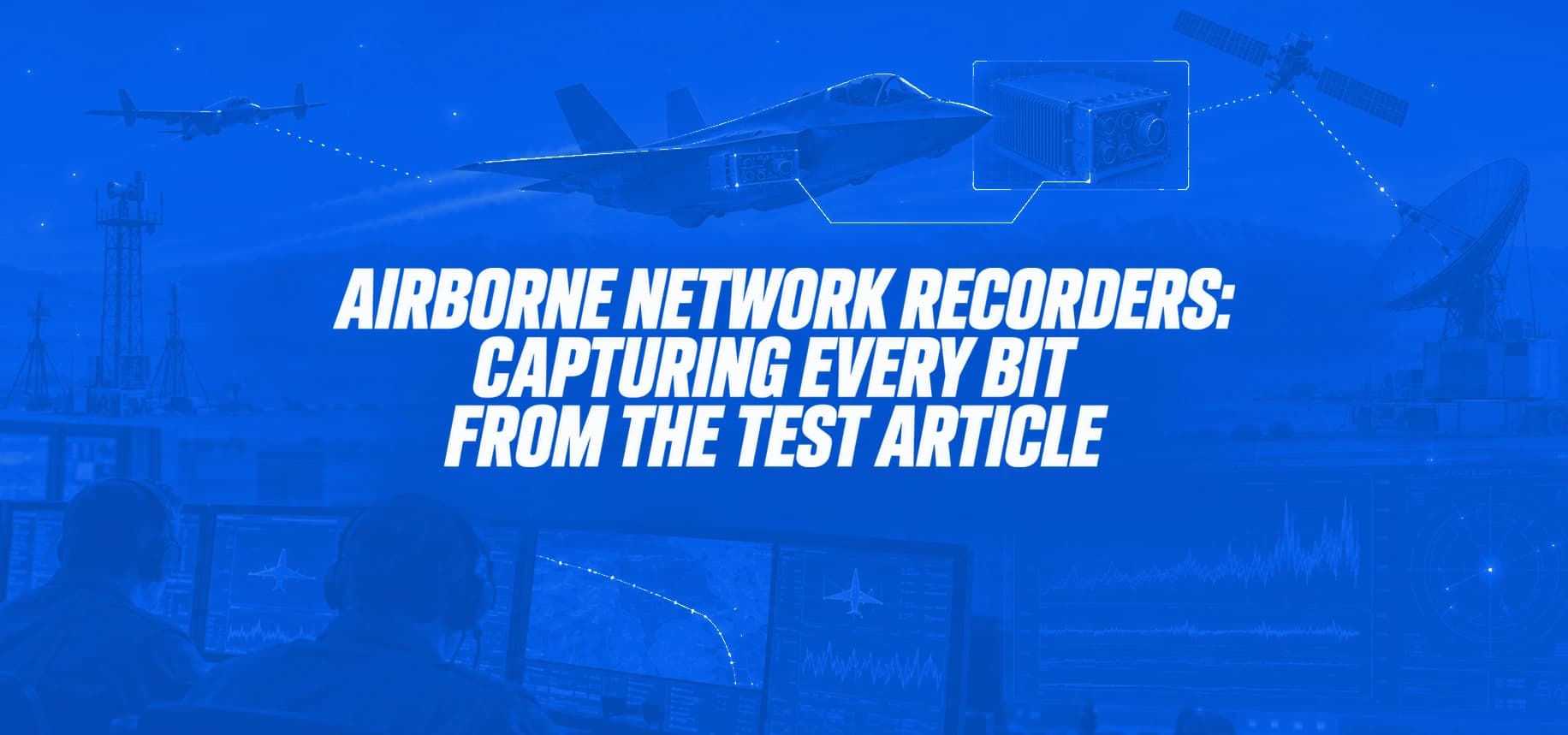

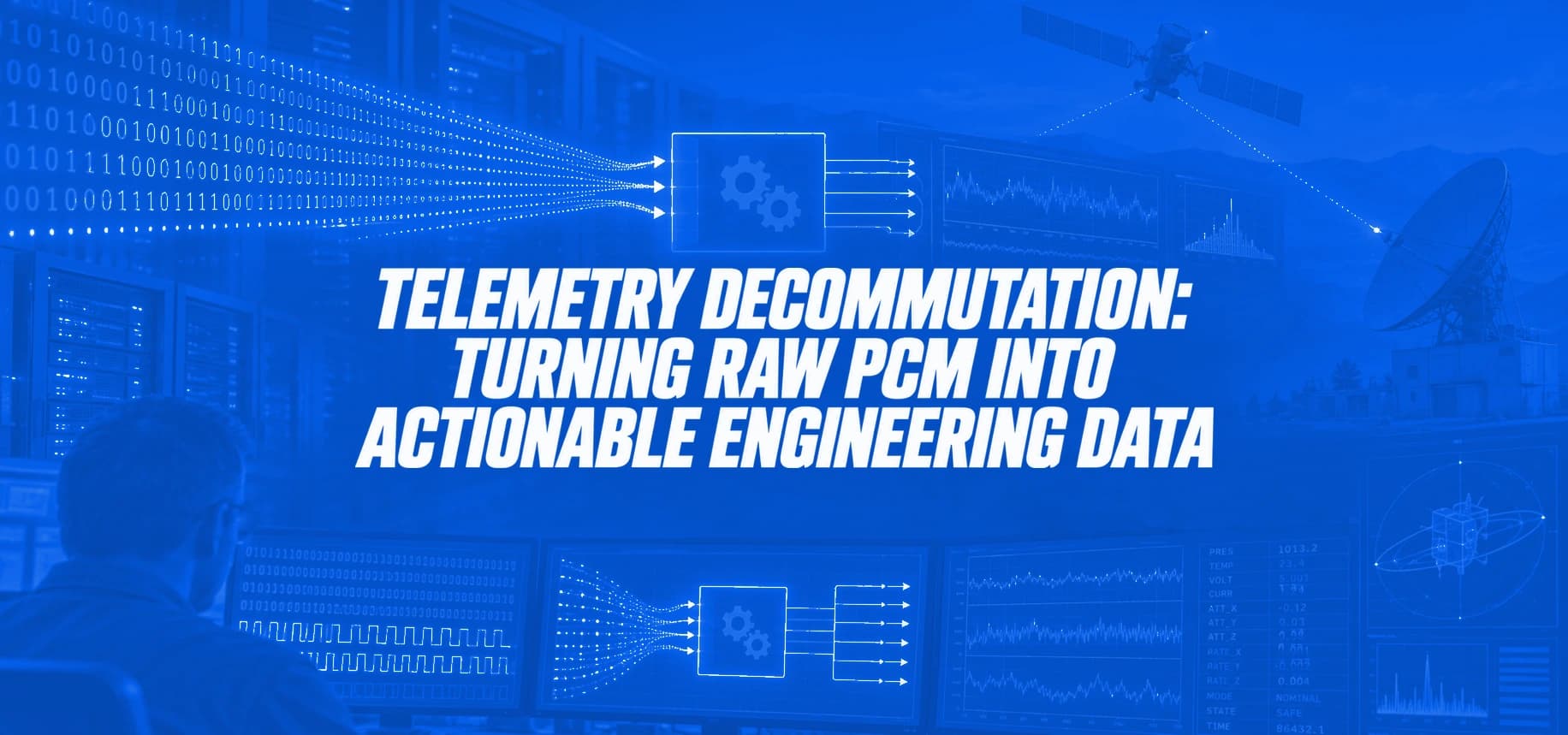
Parraid provides tactical communications solutions, telemetry data systems, and deployable communication products that support mission-critical operations around the globe. Below are some of the most common questions about our technology, services, and support.
Parraid works with aerospace, defense, government, and research organizations that depend on real-time data and secure communications. Our products are engineered to meet the unique operational needs of mission-critical and tactical environments.
Our telemetry data systems enable accurate data acquisition, recording, and playback across test ranges and aerospace applications. With IRIG-106 compliance and TMoIP support, we deliver precise insights for faster mission validation and system performance analysis.
Parraid’s tactical communications solutions are designed for interoperability and resilience. They integrate seamlessly with multi-band radios, SATCOM, and IP-based networks to maintain command, control, and situational awareness in any field condition.
Yes. Our deployable communication products are lightweight, ruggedized, and MIL-STD compliant, ideal for rapid setup and sustained connectivity in mobile or remote missions.
Absolutely. We work closely with our customers to design and configure systems tailored to their operational goals. Whether upgrading existing telemetry infrastructure or developing a fully deployable communication suite, we ensure seamless integration and lifecycle support.
All Parraid systems are designed, built, and supported in the United States. Our team of engineers and specialists provides continuous technical support to ensure mission reliability and customer success.
Connect With Our Team
All Parraid systems are designed, built, and supported in the United States. Our team of engineers and specialists provides continuous technical support to ensure mission reliability and customer success.
Powering secure, real-time data transmission across land, sea, and sky.

Parraid delivers mission-critical telemetry and tactical communications solutions designed to perform when failure is not an option.