Email : sales@parraid.com
Call Us : +1 (301) 690-0690


In the realm of aviation, the collection and analysis of flight test data are pivotal for the advancement and safety of aircraft. This data, which encompasses a wide array of parameters from airspeed to engine performance, plays a crucial role in validating aircraft design and operational capabilities. However, managing flight test data comes with its unique set of challenges that can impact the efficiency and effectiveness of the data analysis process. In this article, we delve into these challenges and provide insights into how they can be addressed.
One of the primary challenges in handling flight test data is the sheer volume of information collected during each test flight. Modern aircraft are equipped with numerous sensors that generate a tremendous amount of data. This data richness, while beneficial for comprehensive analysis, poses significant challenges in terms of storage, processing, and analysis. The ability to efficiently manage and sift through this data to extract meaningful insights is crucial.
Ensuring the quality and consistency of flight test data is another significant hurdle. Data must be accurate, complete, and consistent across different test flights to be reliable for analysis. Variabilities in sensor performance, environmental conditions, and test configurations can introduce inconsistencies, making it challenging to draw accurate conclusions. Implementing robust data validation and calibration techniques is essential to mitigate these issues.
Flight test data encompasses a wide range of data types, including numerical, textual, and video data. Integrating these disparate data types into a coherent dataset for analysis is complex. Each type of data may require different processing and analysis techniques. Developing an integrated data analysis framework that can accommodate and synergize various data types is crucial for a holistic understanding of test results.
In certain scenarios, real-time data processing and analysis are necessary to make immediate decisions during flight tests. This requires a high level of automation and computational power to analyze data on-the-fly. Developing systems capable of processing and delivering actionable insights in real-time is a challenge that necessitates advanced computing solutions and algorithms.
With the increasing emphasis on cybersecurity, ensuring the security of sensitive flight test data is paramount. Protecting this data from unauthorized access and potential cyber threats is a complex challenge. Implementing comprehensive data security measures, including encryption and secure data transmission protocols, is essential to safeguard this valuable information.
Addressing the challenges associated with flight test data collection and analysis requires a multifaceted approach. Leveraging advanced data management and analysis tools can significantly alleviate these issues. Furthermore, employing machine learning and artificial intelligence can automate the analysis process, enhancing the ability to extract meaningful insights from large datasets. Ensuring robust data security measures and investing in high-performance computing resources are also vital steps.
At Parraid, we understand the complexities involved in managing flight test data. Our solutions are designed to support aviation professionals in overcoming these challenges, facilitating the efficient collection, analysis, and utilization of flight test data. By harnessing advanced technologies and methodologies, we aim to enhance the safety, performance, and reliability of aircraft system
The collection and analysis of flight test data are critical yet challenging endeavors in the aviation industry. By understanding and addressing these challenges, organizations can improve their data analysis processes, leading to more informed decisions and advancements in aircraft design and performance. With the right tools and approaches, the hurdles of managing flight test data can be surmounted, paving the way for future innovations in aviation technology. Visit us at parraid.com to explore how we can assist in optimizing your flight test data analysis processes.
Powering secure, real-time data transmission across land, sea, and sky.
Dive into our blog for the latest trends, tips, and insights in the world of design and AI technology. Whether you’re looking for inspiration, tutorials, or industry news, our articles are crafted to keep you informed and inspired.
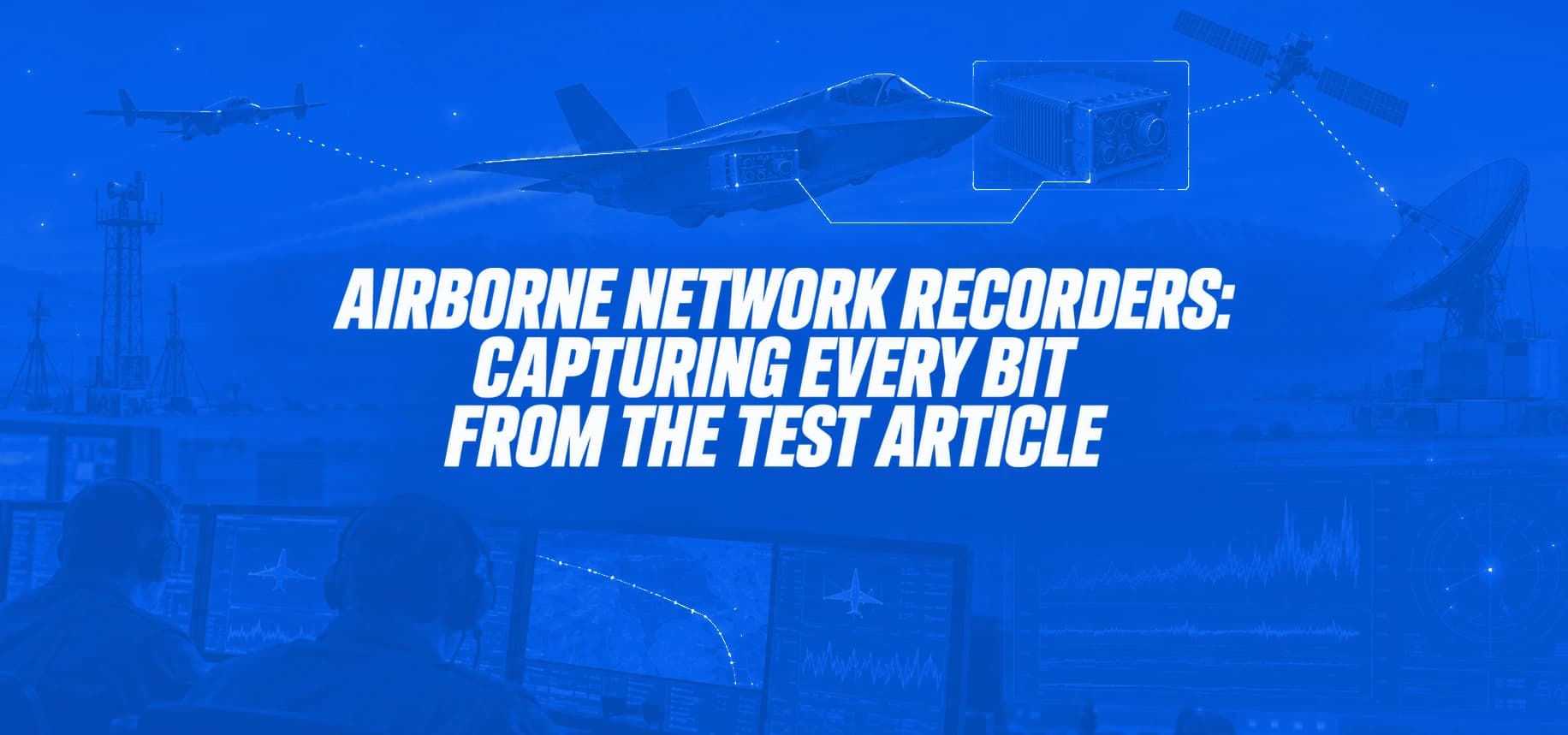

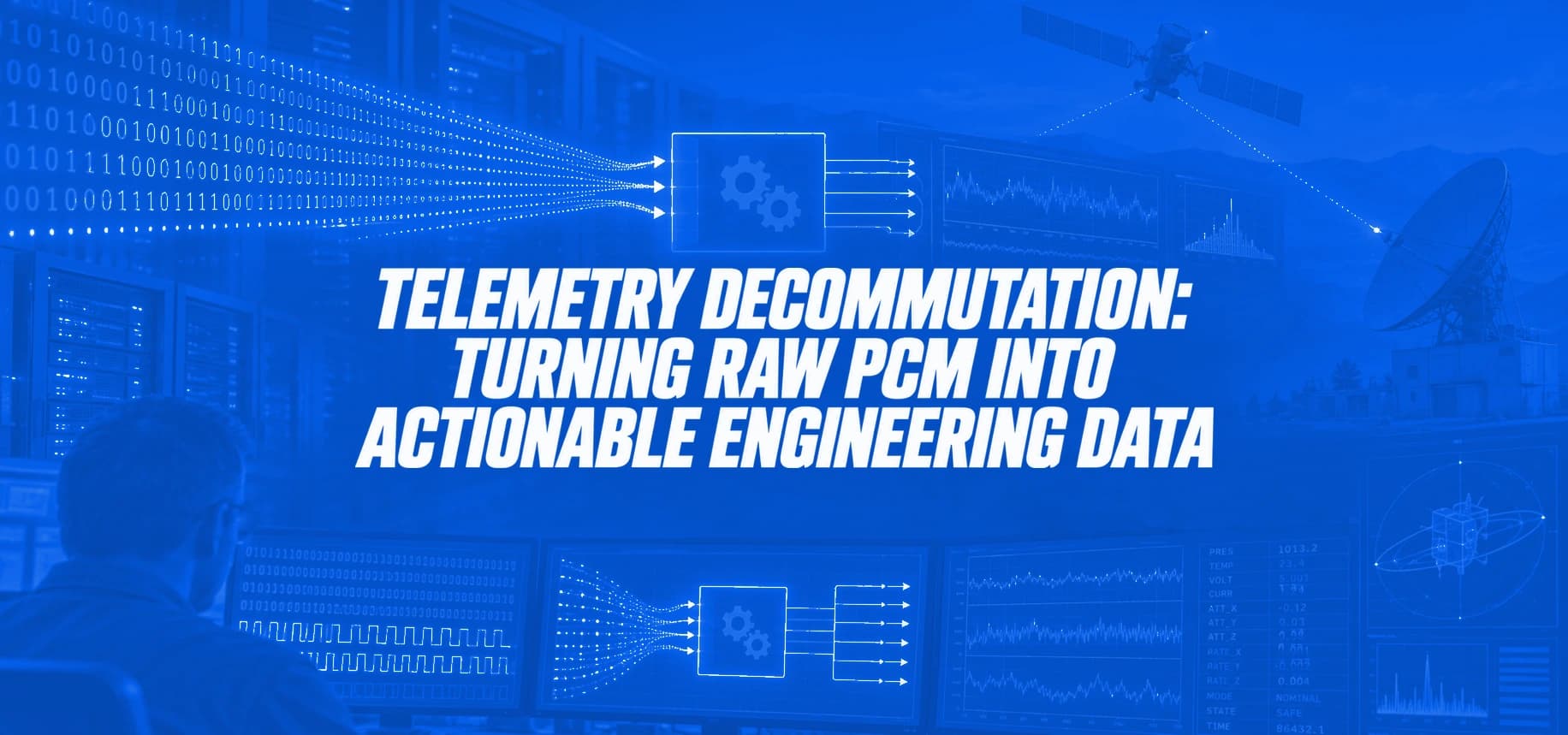
Parraid provides tactical communications solutions, telemetry data systems, and deployable communication products that support mission-critical operations around the globe. Below are some of the most common questions about our technology, services, and support.
Parraid works with aerospace, defense, government, and research organizations that depend on real-time data and secure communications. Our products are engineered to meet the unique operational needs of mission-critical and tactical environments.
Our telemetry data systems enable accurate data acquisition, recording, and playback across test ranges and aerospace applications. With IRIG-106 compliance and TMoIP support, we deliver precise insights for faster mission validation and system performance analysis.
Parraid’s tactical communications solutions are designed for interoperability and resilience. They integrate seamlessly with multi-band radios, SATCOM, and IP-based networks to maintain command, control, and situational awareness in any field condition.
Yes. Our deployable communication products are lightweight, ruggedized, and MIL-STD compliant, ideal for rapid setup and sustained connectivity in mobile or remote missions.
Absolutely. We work closely with our customers to design and configure systems tailored to their operational goals. Whether upgrading existing telemetry infrastructure or developing a fully deployable communication suite, we ensure seamless integration and lifecycle support.
All Parraid systems are designed, built, and supported in the United States. Our team of engineers and specialists provides continuous technical support to ensure mission reliability and customer success.
Connect With Our Team
All Parraid systems are designed, built, and supported in the United States. Our team of engineers and specialists provides continuous technical support to ensure mission reliability and customer success.
Powering secure, real-time data transmission across land, sea, and sky.

Parraid delivers mission-critical telemetry and tactical communications solutions designed to perform when failure is not an option.