Email : sales@parraid.com
Call Us : +1 (301) 690-0690


Telemetry data communications—sounds like a snooze fest, right? But hold onto your seat because what if I told you that the secret to smoother, faster, and more efficient data transmission lies in a little something called Telemetry Processing? Think of it as the unsung hero quietly working behind the scenes, ensuring your data gets from point A to point B without a hitch. It’s time to bring this tech-savvy wizard into the spotlight and see how it can take your data game to a whole new level.
Let’s cut to the chase—Telemetry Processing isn’t just another buzzword; it’s the backbone of modern data communications. Whether you’re dealing with satellites or defense systems, this technology ensures that the data transmitted is accurate, timely, and secure. But what exactly is it? In simple terms, it’s the method of collecting, transmitting, and analyzing data from remote sources to ensure everything operates as it should. It’s like having a digital watchdog that monitors your systems 24/7.
You wouldn’t drive a car with a flat tire, so why settle for sluggish data communications? Telemetry Processing is the turbo boost your system needs to zip through data transmission like a sports car on an open highway. Here’s how it works: By applying advanced algorithms and processing techniques, telemetry systems can quickly identify and correct errors, reduce latency, and ensure that every bit of data is transmitted with precision. The result? Faster, more reliable communications that keep your operations running smoothly.
Ready to amp up your telemetry game? Here are some actionable steps to get you started:
Take a hard look at your telemetry systems. Are they delivering the speed and accuracy you need? If not, it might be time for an upgrade.
Incorporate state-of-the-art Telemetry Processing solutions to streamline your data transmission. Look for systems that offer real-time error correction and low-latency transmission.
Don’t just focus on the transmission—optimize the entire data flow process, from collection to analysis. This ensures that your telemetry data is not only fast but also actionable.
Regularly test your telemetry systems to identify any bottlenecks or issues. Small tweaks can make a big difference in performance.
Sometimes, it pays to bring in the pros. Partner with companies like Parraid, with extensive experience developing advanced telemetry solutions tailored to the aerospace and defense industries.
Now, let’s get real—what’s the actual impact of implementing advanced Telemetry Processing? Imagine reducing your data transmission errors by half or cutting down your latency to near zero. This isn’t just theoretical; it’s the kind of improvement that can dramatically enhance mission-critical operations in aerospace and defense. By ensuring that every byte of data is transmitted accurately and swiftly, you’re not just improving communication—you’re enhancing overall system performance, reliability, and security.
Ever feel like you’re drowning in data? With the sheer volume of telemetry data generated by modern systems, it’s easy to get overwhelmed. But here’s where advanced Telemetry Processing steps in like a lifeline. Real-time processing is the magic ingredient that turns raw data into actionable insights instantly.
Imagine being able to monitor the health of your systems, detect anomalies, and make decisions in real-time, all without breaking a sweat. This kind of clarity is not just convenient; it’s essential for mission-critical operations where every second counts.
Telemetry processing refers to the methods used to collect, transmit, and analyze data from remote sources to ensure system accuracy and efficiency.
It enhances data transmission by reducing errors, lowering latency, and ensuring that data is delivered quickly and accuratel
Industries like aerospace and defense, where accurate and reliable data transmission is critical, benefit the most from advanced telemetry processing
Telemetry systems should be regularly tested to identify and fix any potential issues or bottlenecks in data transmission.
It ensures that sensitive data is transmitted securely and without errors, which is vital for mission-critical operations.
Powering secure, real-time data transmission across land, sea, and sky.
Dive into our blog for the latest trends, tips, and insights in the world of design and AI technology. Whether you’re looking for inspiration, tutorials, or industry news, our articles are crafted to keep you informed and inspired.
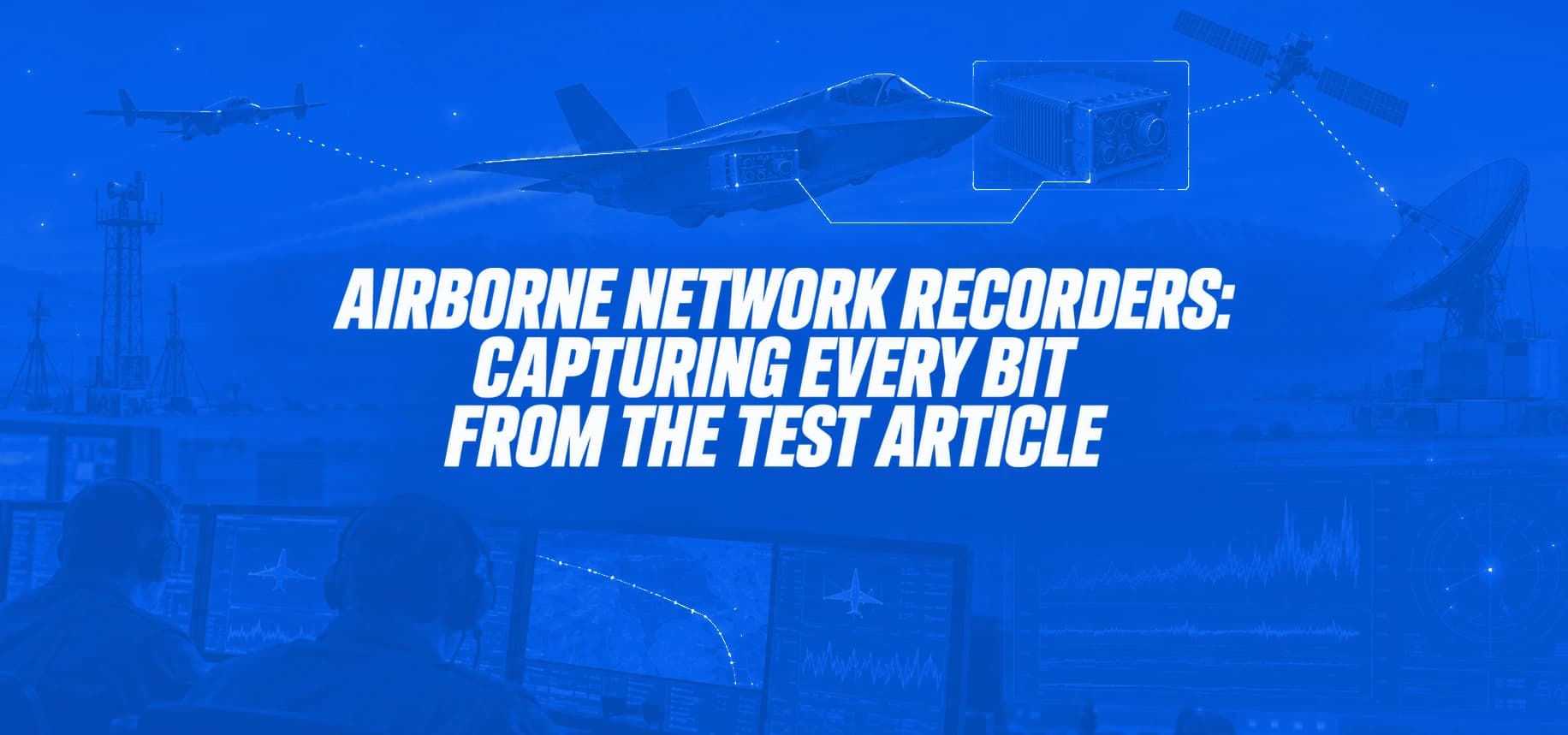

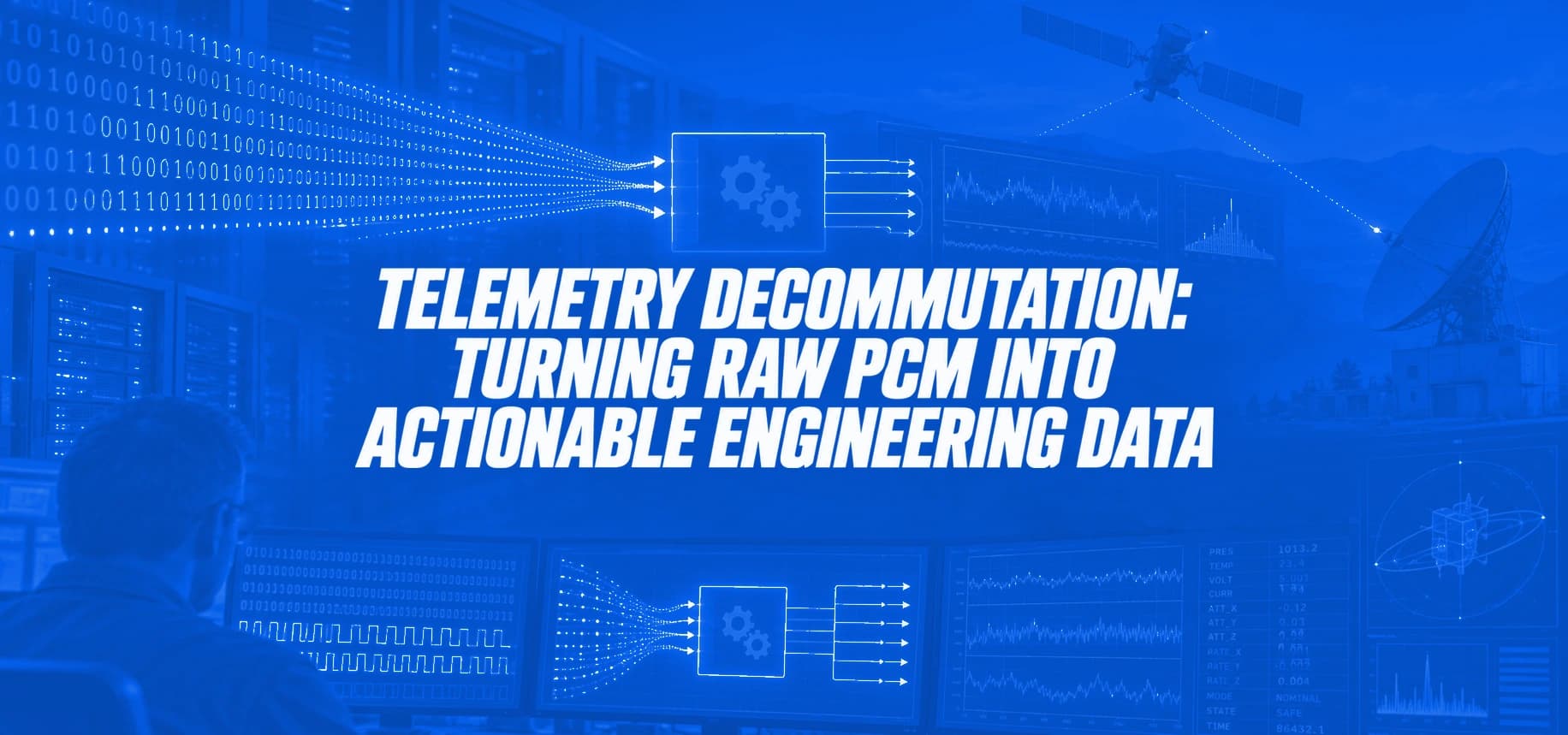
Parraid provides tactical communications solutions, telemetry data systems, and deployable communication products that support mission-critical operations around the globe. Below are some of the most common questions about our technology, services, and support.
Parraid works with aerospace, defense, government, and research organizations that depend on real-time data and secure communications. Our products are engineered to meet the unique operational needs of mission-critical and tactical environments.
Our telemetry data systems enable accurate data acquisition, recording, and playback across test ranges and aerospace applications. With IRIG-106 compliance and TMoIP support, we deliver precise insights for faster mission validation and system performance analysis.
Parraid’s tactical communications solutions are designed for interoperability and resilience. They integrate seamlessly with multi-band radios, SATCOM, and IP-based networks to maintain command, control, and situational awareness in any field condition.
Yes. Our deployable communication products are lightweight, ruggedized, and MIL-STD compliant, ideal for rapid setup and sustained connectivity in mobile or remote missions.
Absolutely. We work closely with our customers to design and configure systems tailored to their operational goals. Whether upgrading existing telemetry infrastructure or developing a fully deployable communication suite, we ensure seamless integration and lifecycle support.
All Parraid systems are designed, built, and supported in the United States. Our team of engineers and specialists provides continuous technical support to ensure mission reliability and customer success.
Connect With Our Team
All Parraid systems are designed, built, and supported in the United States. Our team of engineers and specialists provides continuous technical support to ensure mission reliability and customer success.
Powering secure, real-time data transmission across land, sea, and sky.

Parraid delivers mission-critical telemetry and tactical communications solutions designed to perform when failure is not an option.