Email : sales@parraid.com
Call Us : +1 (301) 690-0690

The governing body for all range standards is the Inter-Range Telemetry Group Standard 106, or IRIG-106. The standards put for by this group and the Range Command Council (RCC) are created to codify both best practices and interoperability on all ranges.
While the standard covers every aspect of range telemetry from airborne data acquisition and transmission to ground reception and decommutation. This article will address the history and justification for a standard structure for data packetization. In the current standard (as of this writing, 2024), the standards for data structure are outlined in chapter 10 of the IRIG-106 standard and is heretofore referred to as “Chapter 10.”
In the original standard, Chapter 10 referenced the structure of the recorded data file but was later pushed to Chapter 11 when a way to embed complete data structures became possible (see chapter 7 of the IRIG-106 Standard). Once that was true it became important to standardize the data structure itself since that would be transmitted to the ground intact.
There are many diverse data types coming from test articles such as avionics information, flight control buses, physical data, time-space, positional, etc. Some of this data may be synchronous, and some may not be, but all will be transmitted to the ground via some form of serial Pulse Code Modulation (PCM) (see chapter 4 of the IRIG-106 Standard). Since the types are so divergent, there must be a way to describe them properly, so the data is properly interpreted on the ground.
This will include packet header information defining the data type, data, length, and location within the packet. It may contain other information such as the UDP sequence number and most importantly the chapter 10 number which is a unique identifier for each data stream. For details on the IRIG-106 standard visit www.irig106.org.
Like any standard it creates a common way of implementing any technology. This way vendors will have those elements in common such that customers have a choice on what systems to purchase and use, but no matter which system they choose they will be interoperable with any system of its type. Prior to the standard, customers (the government, mostly) would have to purchase multiple systems to account for all the different versions of systems any range may acquire.
No. The IRIG-106 Standard is a US Standard set by the US government and is not globally recognized.
Data integrity is the paramount concern of the standard. It must accurately describe the data and guarantee the ability to access the data, thus it verifies what is contained in the file and makes it so any compliant system can access the data.
No system prior to 2004 is compliant to the standard since that is the year it began. So, no system made before that date would be useful. However, any system made by 2010 and claiming to be chapter 10 compliant should function properly.
The major benefit is that any chapter 10-compliant system will have access to the data (unless classification is involved). Also, there are many software tools available to analyze and interrogate chapter 10 data sets.
The website www.irig106.org is a good place to start. There are also trade organizations such as the International Telemetry Conference (ITC) and the International Telemetry Education Association (ITEA). Both these organizations have yearly trade shows and workshops where all the vendors, scientists, engineers, technicians, government representatives and system users meet regularly.
Powering secure, real-time data transmission across land, sea, and sky.
Dive into our blog for the latest trends, tips, and insights in the world of design and AI technology. Whether you’re looking for inspiration, tutorials, or industry news, our articles are crafted to keep you informed and inspired.
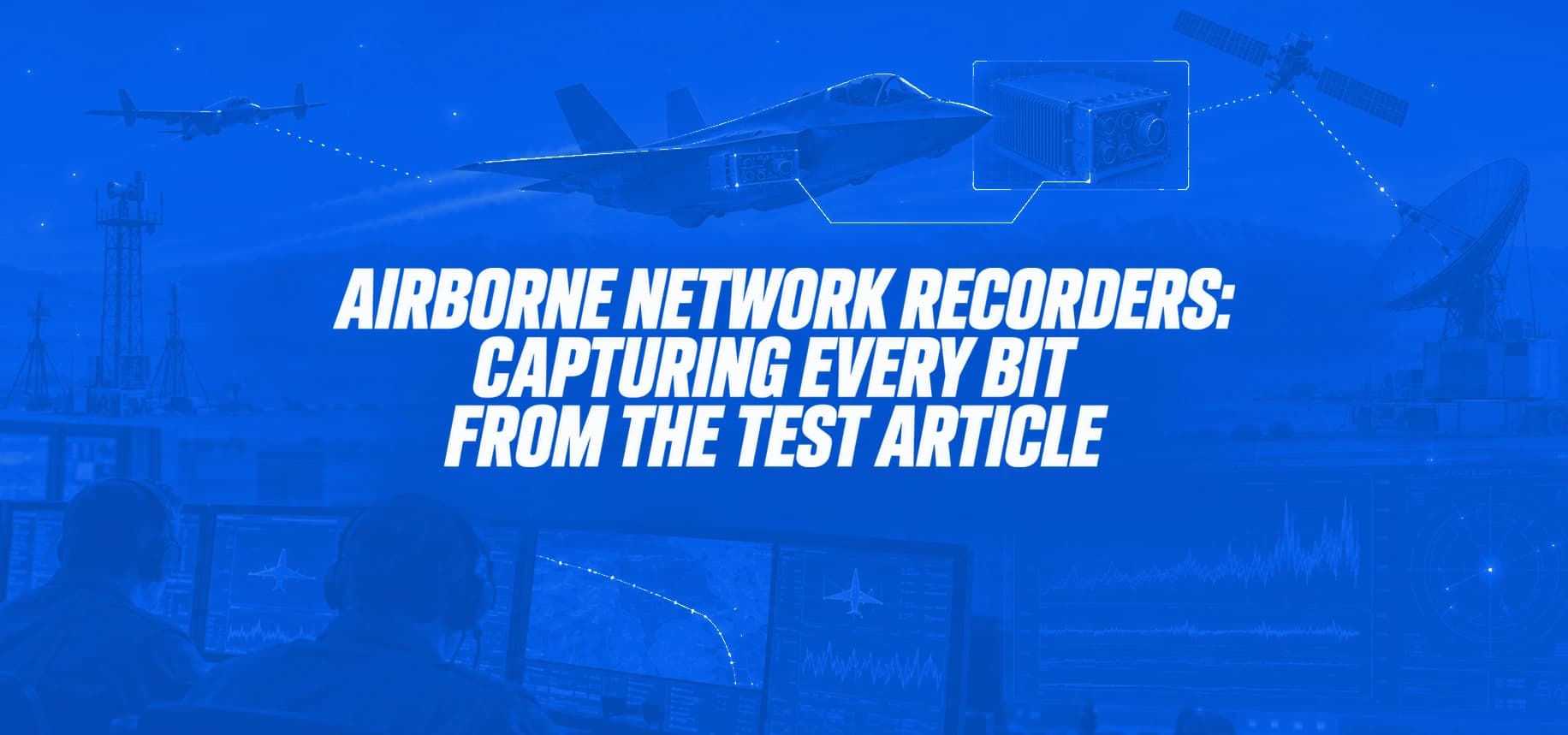

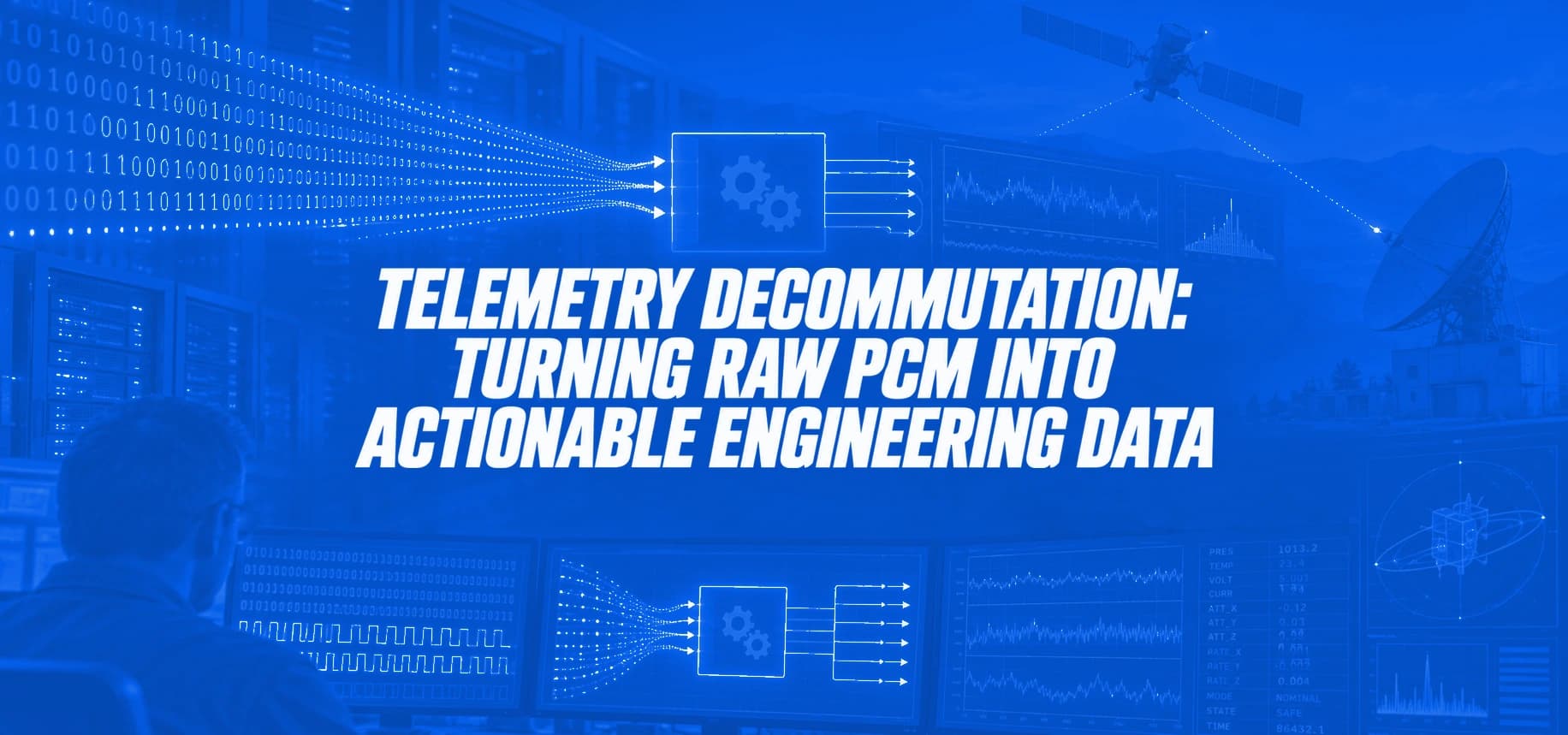
Parraid provides tactical communications solutions, telemetry data systems, and deployable communication products that support mission-critical operations around the globe. Below are some of the most common questions about our technology, services, and support.
Parraid works with aerospace, defense, government, and research organizations that depend on real-time data and secure communications. Our products are engineered to meet the unique operational needs of mission-critical and tactical environments.
Our telemetry data systems enable accurate data acquisition, recording, and playback across test ranges and aerospace applications. With IRIG-106 compliance and TMoIP support, we deliver precise insights for faster mission validation and system performance analysis.
Parraid’s tactical communications solutions are designed for interoperability and resilience. They integrate seamlessly with multi-band radios, SATCOM, and IP-based networks to maintain command, control, and situational awareness in any field condition.
Yes. Our deployable communication products are lightweight, ruggedized, and MIL-STD compliant, ideal for rapid setup and sustained connectivity in mobile or remote missions.
Absolutely. We work closely with our customers to design and configure systems tailored to their operational goals. Whether upgrading existing telemetry infrastructure or developing a fully deployable communication suite, we ensure seamless integration and lifecycle support.
All Parraid systems are designed, built, and supported in the United States. Our team of engineers and specialists provides continuous technical support to ensure mission reliability and customer success.
Connect With Our Team
All Parraid systems are designed, built, and supported in the United States. Our team of engineers and specialists provides continuous technical support to ensure mission reliability and customer success.
Powering secure, real-time data transmission across land, sea, and sky.

Parraid delivers mission-critical telemetry and tactical communications solutions designed to perform when failure is not an option.