Email : sales@parraid.com
Call Us : +1 (301) 690-0690

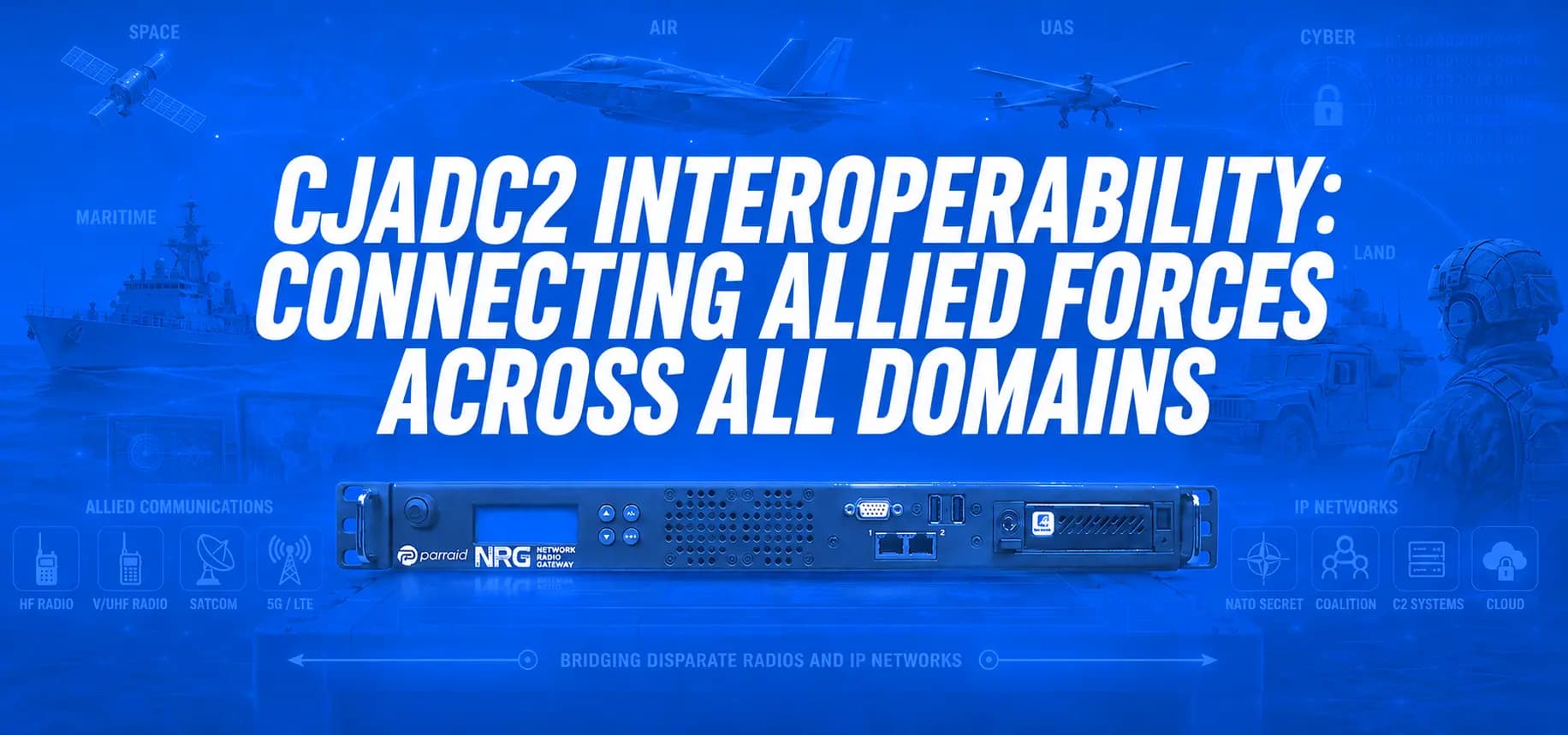
The United States does not fight alone. Nearly every significant military operation conducted by U.S. forces in recent decades has involved coalition partners, and planning assumptions for future major conflicts assume that allied forces will operate alongside U.S. forces from the earliest stages of any conflict. This coalition reality creates a communications challenge that goes beyond the already-complex challenge of connecting U.S. joint forces: how to extend the JADC2 architecture to include allied forces who use different equipment, different data standards, and different classification systems than their U.S. counterparts. CJADC2, Combined JADC2 is the emerging framework for addressing this challenge.
Coalition operations have always involved communications challenges, but the introduction of advanced digital networks makes these challenges both more important and more technically complex. In the analog era, coalition interoperability required primarily translating between different voice radio protocols, a manageable but inconvenient problem. In the JADC2 era, coalition interoperability requires sharing not just voice but also sensor data, targeting information, logistics status, and the outputs of AI-based decision support systems across networks that were designed with very different assumptions about what data would be shared and with whom.
The technical barriers to CJADC2 implementation are substantial. Different nations use different data standards for the same types of information, making data fusion across coalition networks technically complex. Security classification systems differ, creating challenges for sharing data across networks with different security requirements. And the radio equipment used by different nations covers a wide range of frequencies, waveforms, and protocols that may not be directly compatible with U.S. systems.
For ground forces, the most immediate CJADC2 challenge is often radio interoperability. The ability for U.S. and allied tactical units to communicate using their existing radio equipment. Parraid's Network Radio Gateway (NRG) addresses this challenge by providing a flexible radio bridging capability that can connect radios operating on different frequency bands and waveforms, enabling U.S. and allied forces to communicate without requiring either side to adopt the other's radio equipment.
IP networking provides the common language that enables CJADC2 data sharing across coalition boundaries. By converting radio traffic to IP at the source and routing it over IP networks to the destination, the OWL solution and NRG rack-mount systems enable data sharing across the coalition network without requiring direct radio connectivity between every pair of communicating units. This IP-based approach also enables sophisticated routing, filtering, and security functions to be applied to coalition data sharing, addressing the security challenges inherent in sharing data across classification boundaries.
CJADC2 is a long-term program that will require sustained investment and close coordination with allied partners. Near-term priorities include establishing reliable voice and basic data communications interoperability between U.S. and key allied forces, and developing the gateway technologies needed to connect allied sensor networks to the U.S. JADC2 architecture. Parraid's communications solutions are well-positioned to support this near-term interoperability requirement. To learn more, visit Parraid's deployable communications page or contact the team.
Powering secure, real-time data transmission across land, sea, and sky.
Dive into our blog for the latest trends, tips, and insights in the world of design and AI technology. Whether you’re looking for inspiration, tutorials, or industry news, our articles are crafted to keep you informed and inspired.

Parraid provides tactical communications solutions, telemetry data systems, and deployable communication products that support mission-critical operations around the globe. Below are some of the most common questions about our technology, services, and support.
Parraid works with aerospace, defense, government, and research organizations that depend on real-time data and secure communications. Our products are engineered to meet the unique operational needs of mission-critical and tactical environments.
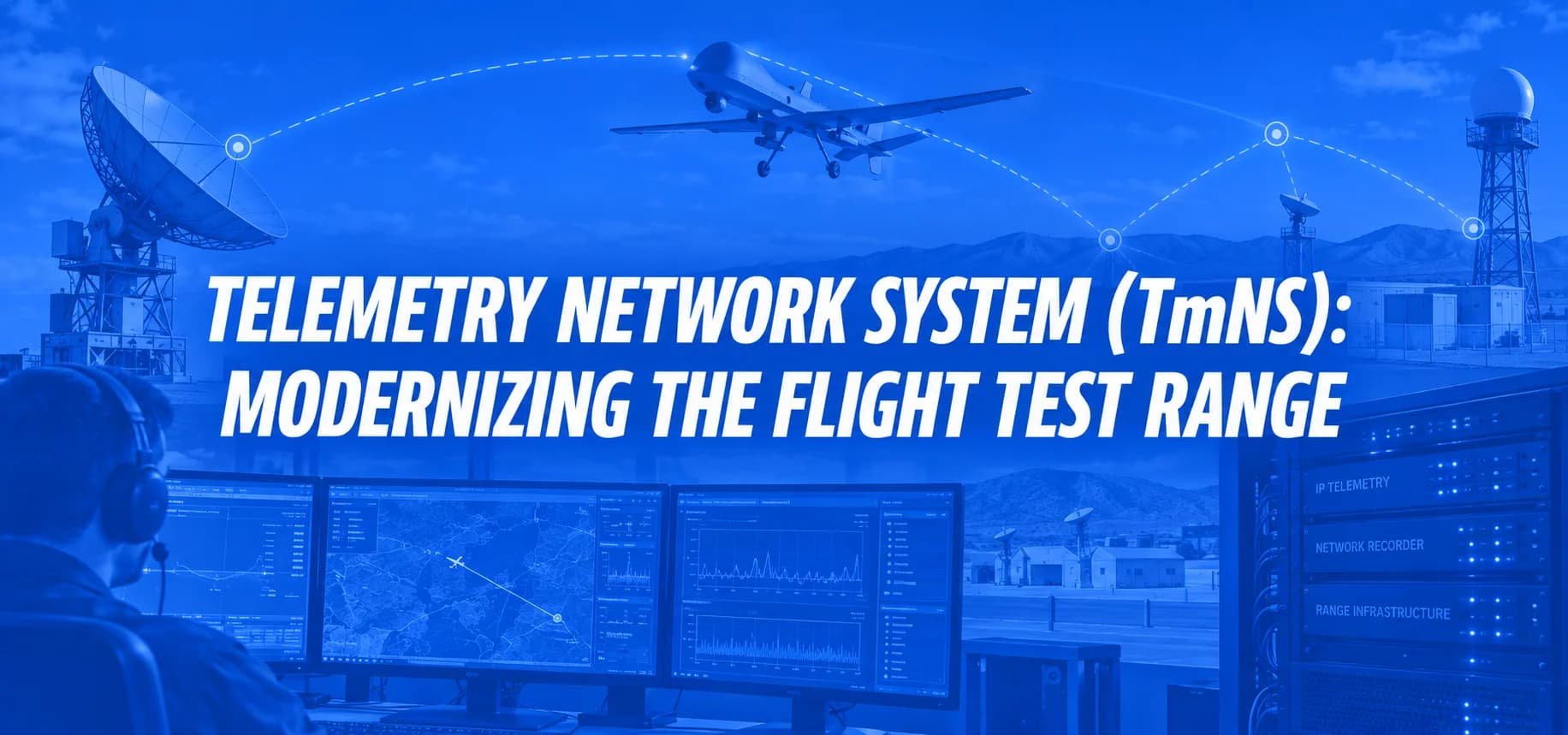
Our telemetry data systems enable accurate data acquisition, recording, and playback across test ranges and aerospace applications. With IRIG-106 compliance and TMoIP support, we deliver precise insights for faster mission validation and system performance analysis.
Parraid’s tactical communications solutions are designed for interoperability and resilience. They integrate seamlessly with multi-band radios, SATCOM, and IP-based networks to maintain command, control, and situational awareness in any field condition.
Yes. Our deployable communication products are lightweight, ruggedized, and MIL-STD compliant, ideal for rapid setup and sustained connectivity in mobile or remote missions.
Absolutely. We work closely with our customers to design and configure systems tailored to their operational goals. Whether upgrading existing telemetry infrastructure or developing a fully deployable communication suite, we ensure seamless integration and lifecycle support.
All Parraid systems are designed, built, and supported in the United States. Our team of engineers and specialists provides continuous technical support to ensure mission reliability and customer success.
Connect With Our Team
All Parraid systems are designed, built, and supported in the United States. Our team of engineers and specialists provides continuous technical support to ensure mission reliability and customer success.
Powering secure, real-time data transmission across land, sea, and sky.

Parraid delivers mission-critical telemetry and tactical communications solutions designed to perform when failure is not an option.