Email : sales@parraid.com
Call Us : +1 (301) 690-0690


Best Source Selectors classically use signal-to-noise metrics to determine which signal to use from incoming signals. More recently other methods such as Data Quality Metrics (DQM) are also employed for making quantitative decisions on Best Source Selection (BSS). In all cases, it is common to discard the weaker signals for the ones that have good strength or DQM scores. This may reject other signals, though weaker, may contain viable data. There is a method to retain all signals and produce a “golden” stream which is a composite of all the streams made from only the good data. This method is called Best Data Engine (BDE).
The most successful method for getting the best results is to use both methods in tandem. First, each Telemetry (TM) station would use standard BSS methods to choose the best source for that station, then send all the signals (all would have the same data) to a central location, then use BDE for the final result. As the mission continues the individual streams may contribute to the final result or may not depending how they compare.
BDE takes all the streams and compares the data in each stream by frame aligning all the input streams, then using advanced weighting algorithms (such as last-in-lock, most-in-lock, DQM, and bit voting). Each stream, based on one of these algorithms, will contribute to a composite stream. As the signals change over time the BDE system automatically adapts to the changes in signal quality.
The aim is to optimize the telemetry system’s performance by relying on the best available data source at any given time.
This algorithm weighs all the channels based on how long each has been in lock and what is in lock now.
Simply uses whatever has been in lock most recently.
Uses data quality scores from compatible receivers as a basis for selection.
This is a bit-by-bit comparison of the incoming data. This requires 3 or more streams.
Suppose you have a test flight of an aircraft flying around a test range. As the aircraft flies and turns, goes behind mountains or other obstacles, different TM stations will see the signal at different strengths at various times. With BDE, the quality of the output does not change and will match what is being transmitted.
Similarly, if you are tracking something travelling extremely far and it passes several TM stations, as some drop and some pick up the signals, there is also a time delay. BDE accounts for these delays as well. BDE works in real-time with any Parraid product with BDE enabled and works as a post process with a file version that operates on Chapter 10 files. For more information, visit https://www.parraid.com/.
Powering secure, real-time data transmission across land, sea, and sky.
Dive into our blog for the latest trends, tips, and insights in the world of design and AI technology. Whether you’re looking for inspiration, tutorials, or industry news, our articles are crafted to keep you informed and inspired.
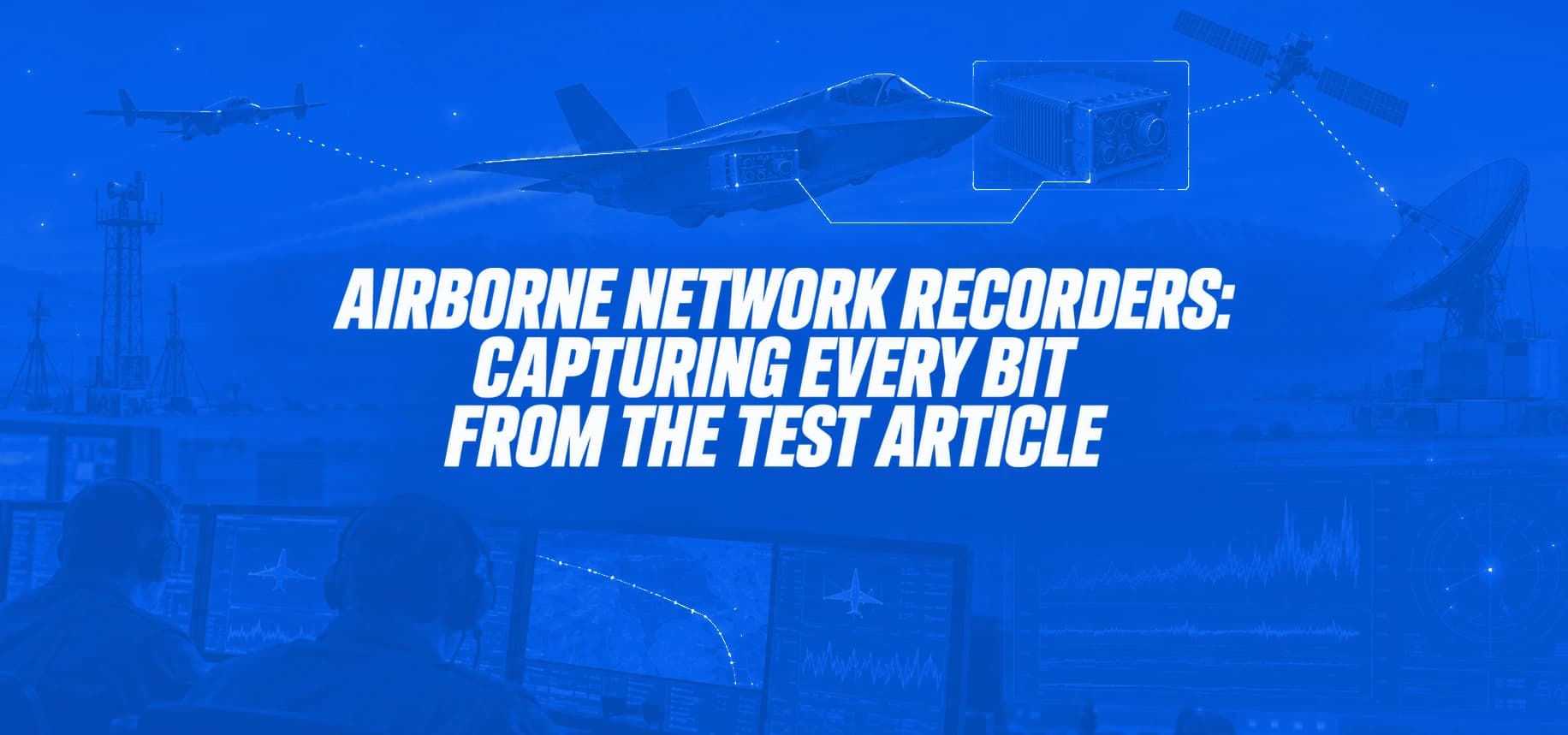

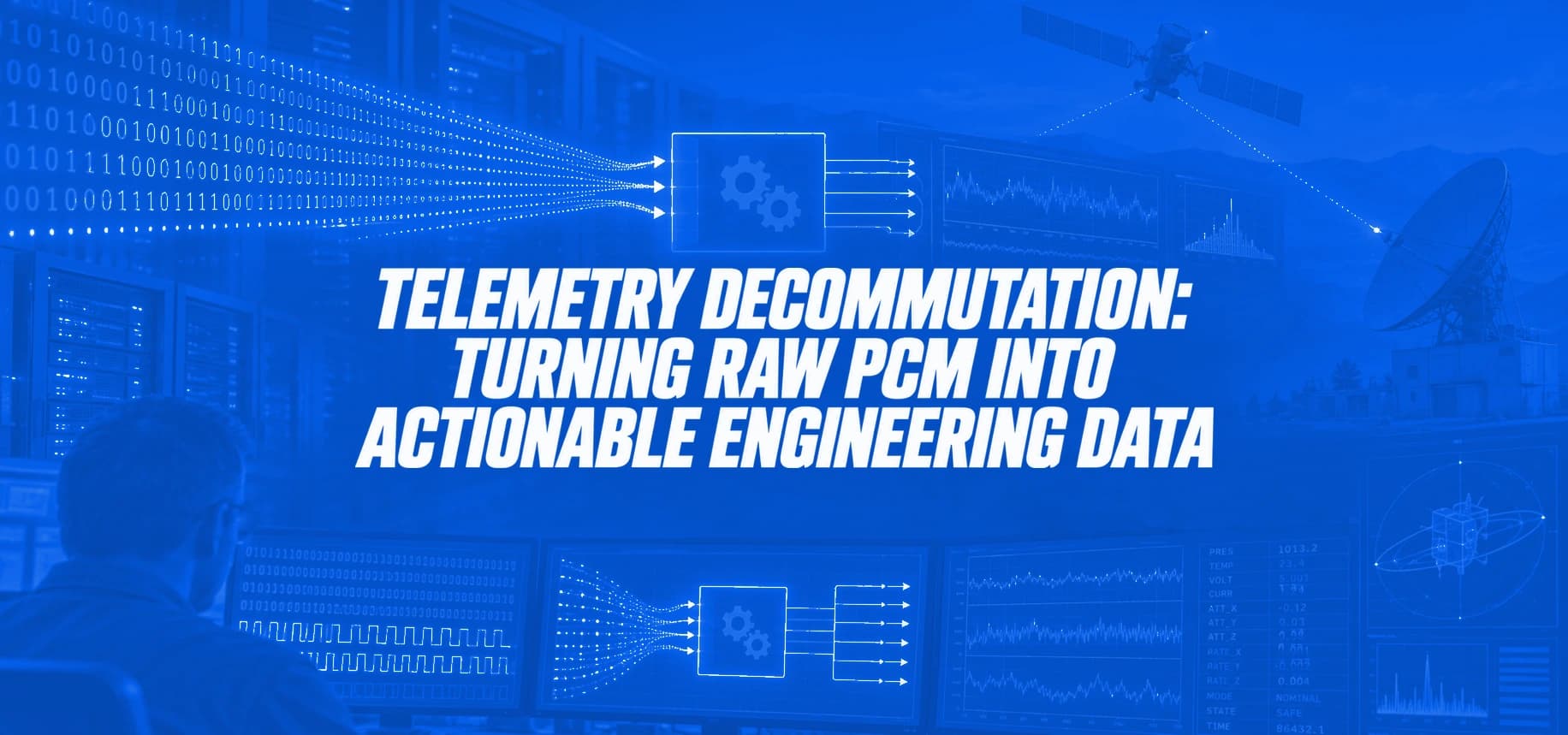
Parraid provides tactical communications solutions, telemetry data systems, and deployable communication products that support mission-critical operations around the globe. Below are some of the most common questions about our technology, services, and support.
Parraid works with aerospace, defense, government, and research organizations that depend on real-time data and secure communications. Our products are engineered to meet the unique operational needs of mission-critical and tactical environments.
Our telemetry data systems enable accurate data acquisition, recording, and playback across test ranges and aerospace applications. With IRIG-106 compliance and TMoIP support, we deliver precise insights for faster mission validation and system performance analysis.
Parraid’s tactical communications solutions are designed for interoperability and resilience. They integrate seamlessly with multi-band radios, SATCOM, and IP-based networks to maintain command, control, and situational awareness in any field condition.
Yes. Our deployable communication products are lightweight, ruggedized, and MIL-STD compliant, ideal for rapid setup and sustained connectivity in mobile or remote missions.
Absolutely. We work closely with our customers to design and configure systems tailored to their operational goals. Whether upgrading existing telemetry infrastructure or developing a fully deployable communication suite, we ensure seamless integration and lifecycle support.
All Parraid systems are designed, built, and supported in the United States. Our team of engineers and specialists provides continuous technical support to ensure mission reliability and customer success.
Connect With Our Team
All Parraid systems are designed, built, and supported in the United States. Our team of engineers and specialists provides continuous technical support to ensure mission reliability and customer success.
Powering secure, real-time data transmission across land, sea, and sky.

Parraid delivers mission-critical telemetry and tactical communications solutions designed to perform when failure is not an option.