Email : sales@parraid.com
Call Us : +1 (301) 690-0690

Telemetry processing is the backbone of modern communication solutions, especially within the aerospace and defense industries.
This process involves collecting, transmitting, and analyzing data from remote or inaccessible instruments and sensors.
As technological demands evolve, the efficiency of these systems becomes crucial for timely and reliable data communication.
With data’s increasing complexity and the need for real-time analytics, traditional telemetry methods are undergoing substantial enhancements. Advanced telemetry processing now leverages more sophisticated algorithms and processing technologies to manage larger volumes of data more efficiently. This not only ensures faster data transmission rates but also enhances the accuracy of the data collected, leading to more informed decision-making processes.
One of the key advancements in telemetry processing is the development of better data compression techniques. These techniques allow for reducing data size without losing critical information, which is essential for quick transmission over limited bandwidth scenarios. Efficient data compression helps maintain the integrity of the data while ensuring that it is transmitted in a timely manner.
Another noteworthy advancement in telemetry processing is the capability to analyze data in real-time. This immediate analysis allows organizations to make quicker decisions based on current data. Real-time processing involves the usage of powerful processors and sophisticated software that can identify and display data instantaneously for engineers or flight-safety.
Artificial intelligence (AI) plays a pivotal role in the evolution of telemetry processing. AI technologies, such as machine learning (ML) and neural networks, are now being integrated to automate data analysis processes. This integration helps predict potential system failures or anomalies before they occur, thereby enhancing the safety and reliability of telemetry systems.
The advancement of telemetry processing techniques represents a significant step forward in the efficiency and reliability of telemetry data systems. Organizations can achieve faster data transfer rates and more precise and actionable insights from their telemetry data by integrating newer technologies such as AI/ML and improved data compression methods. As these technologies continue to evolve, they will play an increasingly vital role in the operational success of companies across various sectors.
Telemetry processing involves the collection, transmission, and real-time analysis of data from remote sensors and instruments, which are necessary for aerospace and defense industry testing.
Advanced techniques enhance data compression and real-time analysis, ensuring efficient and accurate data transmission, which is required for decision-making in critical scenarios.
Real-time processing allows for immediate analysis and decision-making, critical for managing and responding to data as it is collected, especially in mission-critical situations and flight-safety.
While particularly beneficial in aerospace and defense, these techniques are versatile and can enhance data communication processes in any industry that relies on remote data collection and analysis.
Powering secure, real-time data transmission across land, sea, and sky.
Dive into our blog for the latest trends, tips, and insights in the world of design and AI technology. Whether you’re looking for inspiration, tutorials, or industry news, our articles are crafted to keep you informed and inspired.
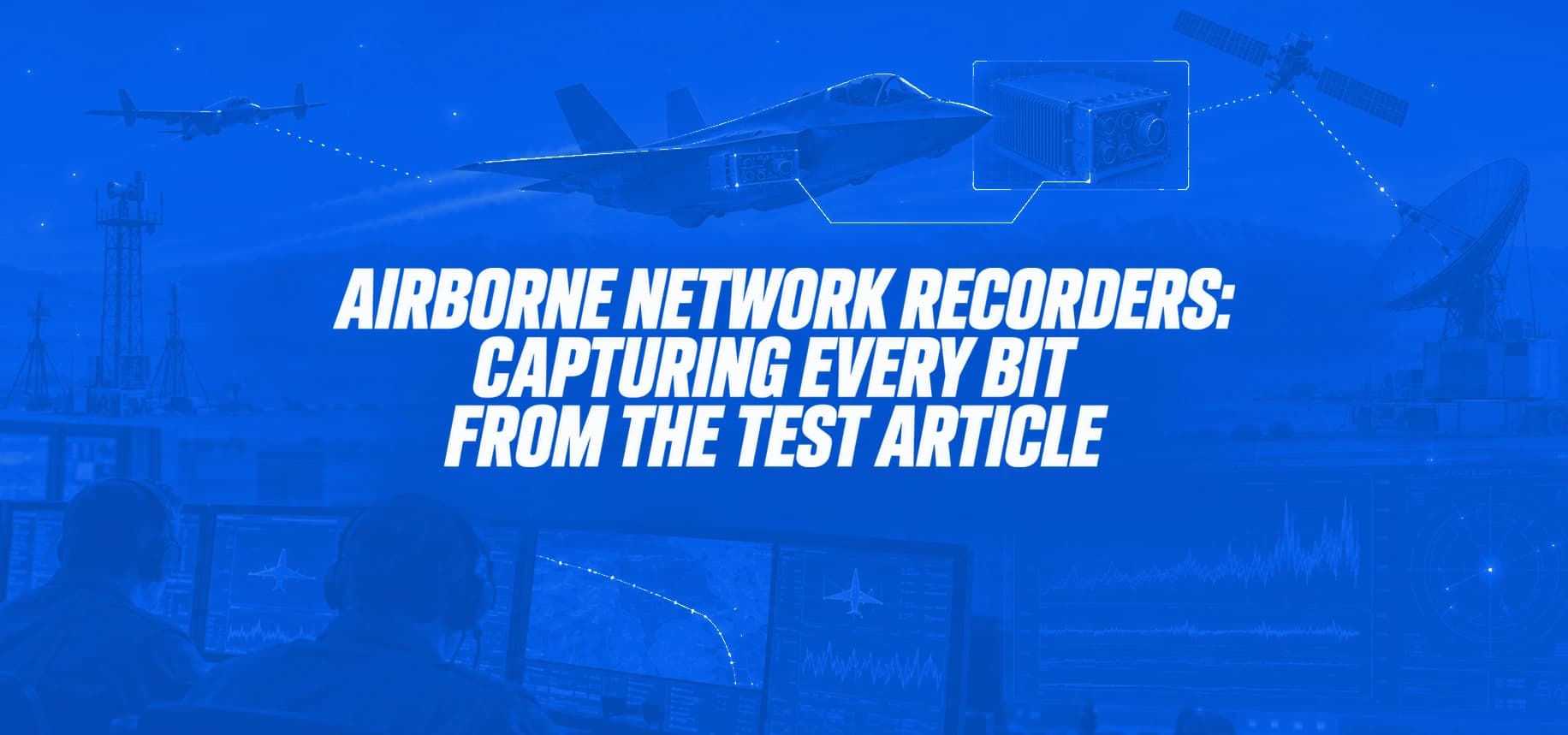

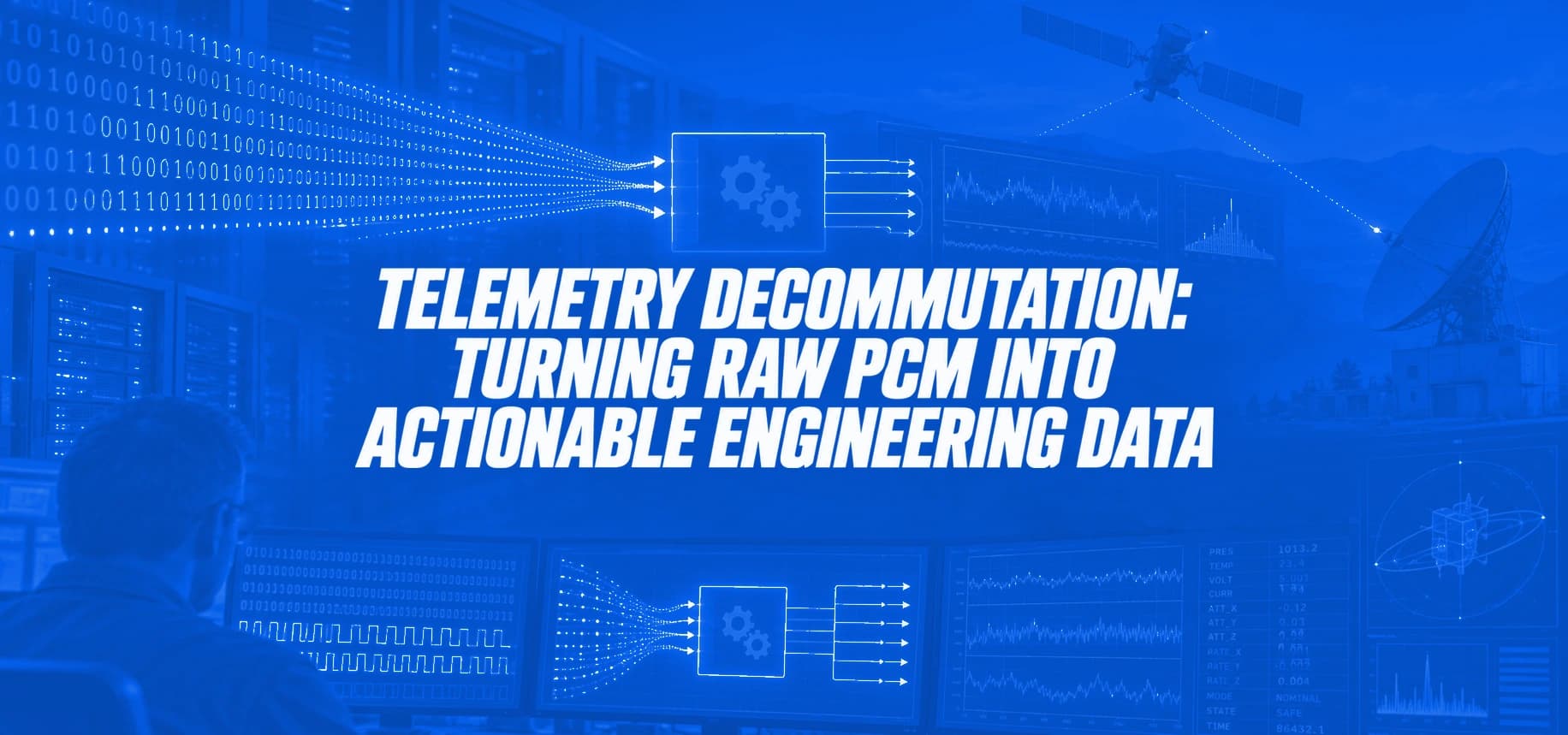
Parraid provides tactical communications solutions, telemetry data systems, and deployable communication products that support mission-critical operations around the globe. Below are some of the most common questions about our technology, services, and support.
Parraid works with aerospace, defense, government, and research organizations that depend on real-time data and secure communications. Our products are engineered to meet the unique operational needs of mission-critical and tactical environments.
Our telemetry data systems enable accurate data acquisition, recording, and playback across test ranges and aerospace applications. With IRIG-106 compliance and TMoIP support, we deliver precise insights for faster mission validation and system performance analysis.
Parraid’s tactical communications solutions are designed for interoperability and resilience. They integrate seamlessly with multi-band radios, SATCOM, and IP-based networks to maintain command, control, and situational awareness in any field condition.
Yes. Our deployable communication products are lightweight, ruggedized, and MIL-STD compliant, ideal for rapid setup and sustained connectivity in mobile or remote missions.
Absolutely. We work closely with our customers to design and configure systems tailored to their operational goals. Whether upgrading existing telemetry infrastructure or developing a fully deployable communication suite, we ensure seamless integration and lifecycle support.
All Parraid systems are designed, built, and supported in the United States. Our team of engineers and specialists provides continuous technical support to ensure mission reliability and customer success.
Connect With Our Team
All Parraid systems are designed, built, and supported in the United States. Our team of engineers and specialists provides continuous technical support to ensure mission reliability and customer success.
Powering secure, real-time data transmission across land, sea, and sky.

Parraid delivers mission-critical telemetry and tactical communications solutions designed to perform when failure is not an option.